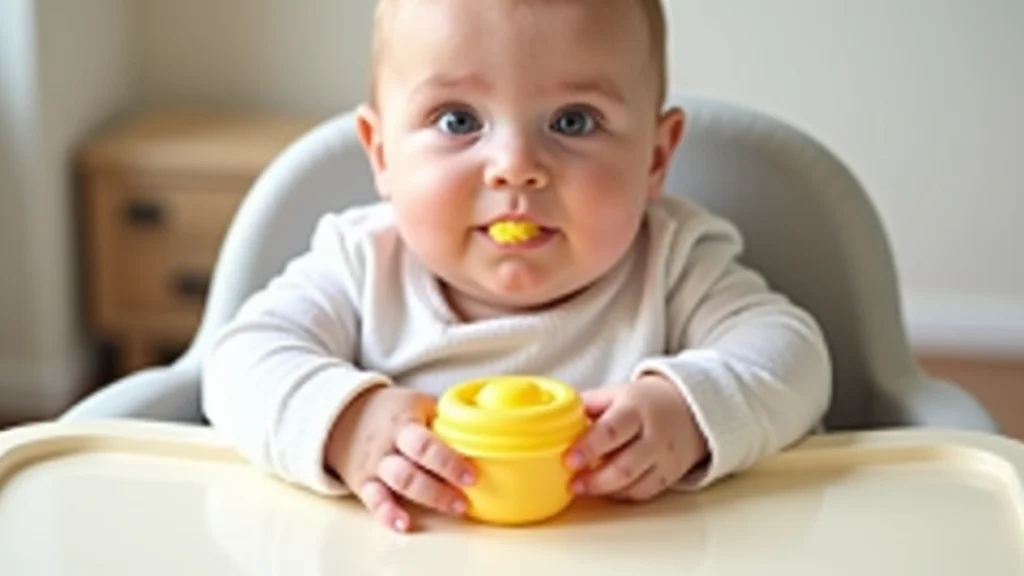
Picture this: It’s 3 AM, and your little one is hungry. You fumble in the dark, searching for the right baby feeding accessories. Suddenly, you realize you’re missing a crucial piece! Frustration sets in. This post aims to equip you with the knowledge to create a smooth, stress-free feeding experience. You will explore various types of baby feeding accessories, learn how to select the best ones for your needs, and discover practical tips to make feeding time a joy. Get ready to streamline your routine and spend more quality time with your baby!
Key Takeaways
- Learn about the essential baby feeding accessories needed for different feeding stages.
- Discover how to choose safe and effective accessories for your baby.
- Understand the importance of sterilization and cleaning practices for feeding items.
- Explore various bottle types, nipples, and their impact on feeding.
- Find useful tips for transitioning to solids and choosing appropriate feeding accessories.
- Gain insights on how to create a comfortable and organized feeding space.
Essential Baby Feeding Accessories for Every Parent
New parents often feel overwhelmed by the sheer number of products available for their babies. When it comes to feeding, having the right accessories can make a significant difference. It’s not just about what you need; it’s also about ensuring safety and convenience. Preparing for mealtimes, whether breastfeeding or bottle-feeding, requires some careful thought and planning. From bottles to bibs, each item plays a role in making feeding as simple as possible. This section breaks down the essential accessories to help you create a stress-free experience.
Bottles and Nipples
One of the first things parents buy are bottles. Choosing the correct bottle and nipple combination can greatly affect how well a baby eats. Various bottle materials are available, like plastic and glass. Choosing a bottle will depend on factors like cost, how easy it is to clean, and safety concerns. The nipples, which attach to the bottles, also come in various shapes and flow rates. Proper flow rates help prevent choking or excessive air intake. Finding the right combination of bottle and nipple is essential for comfort and good feeding habits.
- Bottle Materials: Bottles are made from different materials, each with pros and cons. Plastic bottles are lightweight and less likely to break, but it’s essential to check they are BPA-free. Glass bottles are durable and easy to clean. However, glass bottles are heavier and can break if dropped. Silicone bottles offer a soft, flexible alternative that is easy to hold and clean.
- Nipple Shapes: Nipples come in various shapes. Some are designed to mimic the shape of a mother’s breast, which can make it easier for babies to transition between breast and bottle. Others have a more traditional shape. Look for nipples that fit comfortably in your baby’s mouth and allow them to latch securely.
- Flow Rates: Nipples have different flow rates, such as slow, medium, and fast. Slow-flow nipples are suitable for newborns, helping to prevent them from drinking too quickly. As your baby grows and their feeding needs change, you may need to adjust to a faster flow rate. Keep an eye on your baby to see if they’re struggling or gulping, which can be an indication of the wrong flow rate.
- Anti-Colic Features: Many bottles feature anti-colic systems, such as vents or internal structures, designed to reduce air intake. These features can help prevent gas, spit-up, and colic. These bottles can make feeding time more comfortable for your baby.
Bibs and Burp Cloths
Bibs and burp cloths are essential for any parent. Bibs protect your baby’s clothes from spills and dribbles during feeding. They are also useful for when your baby is teething and drooling. Burp cloths help to soak up any spit-up after feeding. They are a must-have accessory to protect your clothes from messes. Having plenty of bibs and burp cloths on hand will make life a lot easier.
- Bib Materials: Bibs come in various materials, including cotton, silicone, and waterproof fabrics. Cotton bibs are absorbent and soft against the skin, making them perfect for everyday use. Silicone bibs are easy to wipe clean and are a good option for solid foods. Waterproof bibs offer extra protection against spills.
- Burp Cloths: Burp cloths are usually made from soft, absorbent materials like cotton or muslin. They come in various sizes and shapes. Larger burp cloths are more practical because they cover more of the parent’s shoulder and clothing. The material should be easy to wash and dry.
- Bib Styles: Bibs come in various styles, including traditional bibs with ties or snaps, bandana bibs, and bibs with food catchers. Bandana bibs are stylish and can absorb drool, while bibs with food catchers are practical for catching food that falls. Select the bib style that best meets your baby’s and your needs.
- Ease of Cleaning: Always consider ease of cleaning. Bibs should be machine washable, and silicone bibs can usually be wiped down. Burp cloths must be easy to wash and dry, as they need to be laundered often.
Sterilizers and Bottle Cleaners
Keeping feeding equipment clean is crucial for your baby’s health. Sterilizers and bottle cleaners can help make sure that bottles, nipples, and other accessories are free from germs. Bottles can harbor bacteria that can make your baby sick. By sterilizing equipment before each use, you can decrease the risk of your baby getting ill. Regular washing and sterilizing are must-dos for all parents.
- Sterilizer Types: There are different types of sterilizers. Steam sterilizers use heat to kill germs, while UV sterilizers use ultraviolet light. Steam sterilizers are fast and effective. UV sterilizers are also effective and easy to use. Choose the type that best suits your lifestyle and preferences.
- Cleaning Brushes: Bottle brushes are essential for cleaning bottles thoroughly. Look for brushes that can reach the bottom and sides of the bottle. Nipple brushes are also important for cleaning nipples. Proper cleaning removes any residue that could harbor bacteria.
- Dish Soap and Drying: Use a mild dish soap and warm water to wash bottles and accessories if you are not sterilizing. Make sure you rinse everything thoroughly. Air drying is often the best way to prevent germs. A drying rack will help the bottles dry.
- Frequency: Sterilize bottles and accessories regularly, especially when your baby is young or has a weakened immune system. After your baby is six months old, you can lessen the frequency of sterilization if needed. Clean all items after each use to maintain a hygienic feeding environment.
Making Feeding Comfortable and Organized
Creating a comfortable and organized feeding space will make feeding time a more enjoyable experience for both you and your baby. This includes setting up a designated area with all the necessary accessories. It also involves establishing a feeding routine that aligns with your baby’s needs and your lifestyle. Establishing a good feeding environment can create a peaceful, stress-free time for you and your baby.
Organizing Your Feeding Space
An organized feeding space can save time and reduce stress, especially when you are tired. Having a dedicated area with all the essentials makes it easy to quickly find what you need. From keeping bottles and formula within easy reach to having a comfortable place to sit, the way you set up your feeding station can improve the whole feeding experience.
- Dedicated Area: Decide on a specific area in your home to serve as your feeding station. This could be in the kitchen, living room, or your baby’s nursery. Make sure it is a comfortable place where you can relax.
- Storage: Use a storage container or organizer to keep all of your baby feeding accessories in one place. This can include bottles, nipples, bibs, burp cloths, and formula. Having everything in a place will save you time and help you stay organized.
- Comfort: Make sure you have a comfortable chair or feeding pillow. This will help you and your baby stay relaxed during feeding. Good seating makes the entire experience more pleasant.
- Accessibility: Place your feeding supplies where you can quickly access them. Keep everything you need within arm’s reach. This way, you don’t have to scramble during feeding time.
Feeding Routine and Positioning
Establishing a regular feeding schedule and using the correct positioning are important for successful feedings. Newborns generally need to be fed frequently throughout the day and night. As they grow, their feeding times may become more predictable. When bottle-feeding, it is essential to hold your baby in a position that offers support. You want to make sure the baby is comfortable and latches onto the nipple easily. By practicing these techniques, you will create a positive feeding experience for you and your baby.
- Feeding Schedule: The first few months are all about frequent feedings, usually every 2-3 hours. Watch for cues from your baby, such as rooting or bringing their hands to their mouth. As your baby gets older, they will start to develop a more regular feeding schedule.
- Proper Positioning: Position your baby comfortably while feeding. Support your baby’s head and body. Make sure they are not tilted too far back or forward. Proper positioning supports easier swallowing and prevents choking.
- Pace Feeding: With bottle-feeding, pace the feeding to match the pace of breastfeeding. Hold the bottle at an angle to control the flow and allow your baby to take breaks. This will help prevent overfeeding and air intake.
- Burping Techniques: Burping your baby is crucial to remove any air they may have swallowed during feeding. Hold your baby upright and gently pat or rub their back. Burp your baby in the middle and at the end of each feeding.
Transitioning to Solid Foods
Starting solid foods is a significant step in your baby’s development. It’s a fun time, but it also means introducing new utensils and accessories. The goal is to start with easy foods and slowly introduce new textures and flavors. Preparing for the transition includes knowing what accessories to use. This can make the process simpler and less messy.
Essential Accessories for Solids
When your baby is ready for solid foods, certain accessories will make mealtimes easier and more enjoyable. From bowls to spoons, these items are crafted to make sure that babies learn to eat safely and comfortably. By choosing the right accessories, you can help your baby develop healthy eating habits.
- High Chair: A high chair is a must-have for safe and comfortable feeding. Select a chair that is stable, easy to clean, and fits your baby. Look for a chair with a tray that can be removed for cleaning.
- Bowls and Plates: Choose bowls and plates that are safe, durable, and easy for your baby to use. Look for bowls with a non-slip base to prevent spills. Silicone and plastic bowls are great because they are easy to clean.
- Spoons and Forks: Select soft-tipped spoons that are gentle on your baby’s gums. As your baby gets older, introduce forks to help them with self-feeding. Choose utensils that are easy for your baby to hold.
- Sippy Cups and Cups: Introduce sippy cups or open cups to help your baby learn to drink. Start with a spill-proof sippy cup and move to an open cup as your baby becomes more coordinated. These accessories will help with your baby’s development of drinking skills.
Introducing New Foods
Introducing new foods to your baby can be a fun adventure. Start with single-ingredient purees to see if your baby has any food sensitivities. Gradually introduce new textures and flavors to expand your baby’s palate. Be patient and watch for signs that they are enjoying the meal. This period is a learning experience for both you and your baby.
- First Foods: Begin with single-ingredient purees, like rice cereal, or pureed fruits and vegetables. Avoid adding salt or sugar. Focus on providing healthy, nutrient-rich foods.
- Texture Progression: Slowly introduce new textures, from smooth purees to slightly chunkier foods. This helps your baby get used to new textures. Watch for signs of readiness, such as swallowing the food well.
- Allergy Awareness: Introduce one new food at a time, especially potential allergens like peanuts, eggs, and dairy. Introduce these foods early and monitor your baby for any allergic reactions. Consult with your pediatrician about potential allergies.
- Self-Feeding: Encourage self-feeding by offering finger foods like soft-cooked vegetables and small pieces of fruit. This will help your baby develop their hand-eye coordination and promote their interest in food. Provide constant supervision during mealtimes.
Safety and Maintenance of Accessories
Safety is the most important factor when it comes to baby feeding accessories. These items are often in contact with your baby’s food and mouth, so it’s vital to make sure they are clean, safe, and in good condition. You should also properly maintain accessories, which can help them last longer. This section emphasizes the critical aspects of using and keeping baby feeding accessories.
Safe Materials and Designs
The materials and design of baby feeding accessories play a huge role in your baby’s health and safety. Always check the materials used in the products. Make sure everything is free of harmful chemicals. Choosing well-designed products with proper safety features is essential.
- BPA-Free Products: Always choose bottles, sippy cups, and other feeding items that are BPA-free. Bisphenol A (BPA) is a chemical that can leach from plastic products, and it’s essential to avoid it. Look for products that are clearly labeled as BPA-free.
- Phthalate-Free: Similar to BPA, phthalates are chemicals that should not be used in items used for babies. These can disrupt hormones. Make sure products are phthalate-free.
- Food-Grade Silicone: Silicone is a popular material for feeding accessories because it is safe, durable, and easy to clean. Look for food-grade silicone, which is free of harmful chemicals and is heat-resistant.
- Rounded Edges: Select items with rounded edges and smooth surfaces. These prevent any injuries. Avoid products with small parts that could be choking hazards.
Cleaning and Sterilization Practices
Proper cleaning and sterilization are crucial to keep your baby safe from germs and diseases. It’s important to have an everyday routine for cleaning and sterilizing feeding items. Make sure your routine follows all recommended guidelines for the best health and hygiene for your baby.
- Washing Instructions: Always follow the manufacturer’s washing instructions for each product. Some items can be placed in a dishwasher. Others require hand washing. Correctly washing the items will help extend their life.
- Sterilization Frequency: Sterilize bottles, nipples, and other accessories regularly, especially during the first few months. The best approach is to sterilize these items before each use.
- Drying Methods: Air-dry bottles, nipples, and other accessories after washing and sterilizing. Using a drying rack will help the items dry fully. Avoid using a towel, because towels can harbor germs.
- Inspecting for Damage: Examine bottles, nipples, and other feeding accessories regularly. Replace items if you find any cracks, tears, or other damage. Replace these items as they wear out.
Storage and Lifespan
Proper storage and knowing the lifespan of your baby feeding accessories are important. Following these guidelines will keep everything organized and safe. This will extend the life of your baby feeding accessories and ensure they stay in good condition.
- Storage Conditions: Store bottles, nipples, and other accessories in a clean, dry place. Avoid direct sunlight and extreme temperatures, as these can damage the items.
- Nipple Replacement: Replace bottle nipples every few months, or as recommended by the manufacturer. Nipples can wear out and develop cracks or tears. Regular replacement protects your baby’s health.
- Bottle Lifespan: Bottles can last a long time if they are well maintained. If a bottle becomes scratched or discolored, it is time to replace it.
- High Chair Maintenance: Regularly clean the high chair to prevent bacteria and food buildup. Check the straps and safety features to make sure they are in good condition. Replace the high chair when your baby outgrows it or if it becomes damaged.
Common Myths Debunked
Myth 1: You need to sterilize bottles every time you use them.
The truth is, sterilizing bottles before each use, particularly in the first few months, is a good idea. However, as your baby grows and their immune system develops, regular washing with hot, soapy water may suffice. Sterilizing is most critical for newborns and babies with compromised immune systems. Once your baby is older, you can reduce the frequency of sterilization.
Myth 2: All bottle nipples are the same.
This is false. Nipples come in a variety of shapes, sizes, and flow rates. Some nipples are designed to mimic the shape of a mother’s breast to assist with transitioning between breast and bottle. The flow rate of a nipple is also essential. Fast flow nipples can lead to overfeeding or choking. You can select nipples according to the age and feeding habits of your baby.
Myth 3: You can skip burping your baby if they don’t seem to need it.
Burping is necessary. Burping helps your baby release any air swallowed during feeding. Even if they don’t seem like they need to burp, it’s still good to try. Burping helps to avoid gas, and can make your baby more comfortable. It is useful to burp your baby at the midpoint and at the end of each feeding.
Myth 4: If my baby spits up, they are allergic to the formula or breast milk.
Spit-up is common in babies and is not always a sign of a food allergy. It can happen because the baby is eating too much, or they may be swallowing air. Spit-up isn’t usually a major problem. If your baby is spitting up, but also growing and seems happy, then it’s probably normal. Contact your pediatrician if the spit-up is frequent or if your baby shows any other symptoms.
Myth 5: It’s okay to heat baby food in the microwave.
While convenient, microwaves can create hot spots in baby food, which may burn a baby’s mouth. The best methods for warming baby food include using a bottle warmer, placing the container in a bowl of warm water, or using a stovetop in a saucepan. Always test the temperature before feeding your baby.
Frequently Asked Questions
Question: How often should I replace bottle nipples?
Answer: Replace bottle nipples every 2-3 months, or as the manufacturer recommends. If the nipples show any damage, like cracks, tears, or discoloration, replace them immediately.
Question: What’s the best way to clean my baby’s bottles?
Answer: Wash bottles and all accessories thoroughly with warm, soapy water after each use. A bottle brush will help reach the inside of the bottle. Rinse everything well and air dry on a drying rack.
Question: At what age can I introduce solid foods to my baby?
Answer: Most babies are ready for solid foods around six months of age. Always check with your pediatrician before starting solids.
Question: How do I know if my baby is ready for a sippy cup?
Answer: Watch for signs such as your baby having good head and neck control, showing an interest in what you are drinking, and being able to sit up with support. Generally, babies can start using a sippy cup around 6 to 9 months old.
Question: What do I do if my baby refuses to eat solid foods?
Answer: Try again later. Don’t force your baby to eat. Introduce new foods one at a time. Consult your pediatrician if you are worried about your baby’s eating habits.
Final Thoughts
Selecting the right baby feeding accessories and building an organized routine will make feeding a smoother process for you and your baby. From choosing the correct bottles and nipples to setting up a comfortable feeding space, each decision has an impact. Make sure you select safe materials, and that you clean and store your accessories properly to maintain your baby’s health. Remember that feeding is a special time for bonding. By having the right tools and routines, you can turn feeding time into a peaceful moment. Embrace these tips and create a feeding experience that benefits your baby. Be patient, pay attention to your baby’s cues, and enjoy these early, precious moments.