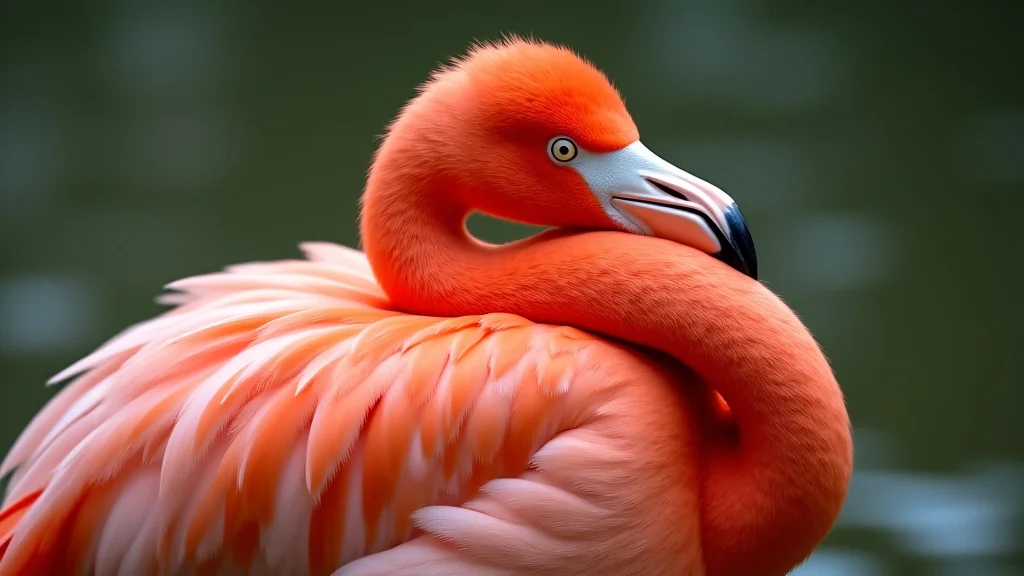
Picture this: You’re at a zoo, and a fluffy, downy chick stumbles out of the nest. Its parents, the majestic flamingos, waddle over. This isn’t just a cute moment; it’s a critical process of survival. Learning about flamingo feeding baby is more than just watching them eat. It’s about recognizing the intricate care these birds give their young, ensuring the next generation thrives. This post will give you a close-up on the fascinating world of flamingo parenting, providing insight into their unique feeding methods and what makes their care so important. You’ll learn the details of this nurturing process, allowing you to appreciate these amazing birds. You’ll also see how you can get more involved in supporting flamingo conservation, all while expanding your appreciation for the natural world.
Key Takeaways
- Flamingos feed their chicks a special “milk” produced in their digestive tracts.
- The color of the flamingo’s diet (and thus, the chick’s) is crucial to their health.
- Young flamingos need specific diets to develop properly.
- Flamingo parents are dedicated in the role of feeding their babies.
- Conservation efforts help protect flamingo habitats and populations.
- You can support these amazing birds and their offspring.
The Wonder of Flamingo Milk
The term “milk” often brings images of mammals to mind. However, flamingos, along with pigeons and doves, have developed a similar process to nourish their young. This “milk” is a rich, nutritious substance produced in the upper digestive tract of both male and female adult flamingos. It’s a key part of flamingo feeding baby.
This flamingo milk isn’t like the milk produced by mammals. It is a thick, protein- and fat-rich liquid that’s bright red in color, thanks to the pigments from the flamingos’ diet. The color is essential, and the shade is tied directly to the health of the adult flamingos and subsequently, their chicks. This liquid includes high concentrations of antioxidants, antibodies, and essential nutrients critical for the growth and development of the flamingo chicks. The flamingo chick will start feeding on this “milk” soon after hatching.
The Composition of Flamingo Milk
The creation of flamingo milk is a complex biological process. This substance is rich in protein, fat, and carotenoid pigments derived from the flamingos’ diet. These carotenoids, like canthaxanthin and astaxanthin, are particularly important. They give the flamingo’s feathers their characteristic pink or red color, and they also provide essential nutrients to the developing chick. It is vital for their immune system, protecting them from various diseases and infections. The fats provide energy for the growing chick, and the proteins are the building blocks for new cells and tissues. Flamingo milk also contains antibodies that are passed from parent to chick, boosting the chick’s immune system in its early, most vulnerable weeks. Without these crucial elements, the chicks would struggle to survive.
- Proteins: Essential for growth, development, and tissue repair. These proteins are carefully synthesized within the parents’ digestive tracts.
- Fats: Provide energy for the chicks, as they are not able to forage for food themselves during the early stages. The fat content contributes to the chick’s rapid growth.
- Carotenoids: Responsible for the color of the flamingo’s feathers, these are also powerful antioxidants. They protect cells from damage and boost the immune system.
- Antibodies: Provide immunity to the chick, defending against diseases during its most fragile phase. This is important for survival.
The Feeding Process
The way flamingo parents feed their young is a delicate and fascinating ritual. The adult flamingo places its bill inside the chick’s bill, and the chick actively sucks the flamingo milk. This interaction is usually an embrace of a few minutes, several times a day. The young chick eagerly consumes this liquid, receiving all the nutrients it needs to thrive. The feeding can last for several weeks or even months, depending on the individual chick’s growth rate and the availability of other food sources. The parent birds will sometimes regurgitate a portion of their milk directly into the chick’s mouth. This ensures that the chick gets a full dose of the essential nutrients necessary for their healthy growth. Both parents share the responsibility of feeding the chick.
- The parent flamingo positions itself near the chick.
- The parent opens its bill, and the chick inserts its own bill.
- The parent regurgitates the flamingo milk into the chick’s bill.
- The chick consumes the milk, receiving essential nutrients.
Dietary Needs of Baby Flamingos
The diet of a young flamingo changes as it grows. Initially, the chick depends entirely on the flamingo milk produced by its parents. This feeding lasts for several weeks after hatching. As the chick develops, it slowly begins to incorporate other food sources into its diet.
The initial diet of flamingo feeding baby chicks consists entirely of flamingo milk. Then, as the chick matures, their diet gradually incorporates other food sources, like small invertebrates, algae, and seeds. This transition occurs gradually, and the chick continues to receive flamingo milk alongside the new foods. This is essential for their development.
Transitioning to a Varied Diet
As the chick grows and the parents’ digestive tracts can’t produce enough flamingo milk, they start to eat other foods. These food sources often include tiny crustaceans like brine shrimp, insect larvae, and algae. The adult flamingos will often partially digest these foods before regurgitating them to their chicks. This prepares the food and helps the chick with digestion. The chicks learn to forage by observing their parents and other adult flamingos.
- Introducing Solid Foods: The chicks slowly transition from flamingo milk to small invertebrates and algae.
- Foraging Skills: The chicks watch and learn from the adults, mirroring their feeding methods.
- Nutritional Balance: The varied diet ensures the chicks receive all the essential nutrients for development.
- Water Intake: Fresh water is essential for digestion and overall health, and chicks access this regularly.
Importance of Diet for Coloration
The characteristic pink or red color of flamingos is a visual sign of their health and diet. The carotenoid pigments found in the food, such as beta-carotene, are responsible for this coloration. These pigments come from the algae and small crustaceans that make up the flamingos’ diet. The intensity of the color reflects the flamingo’s nutritional status. The more vivid the color, the healthier the bird. These pigments also function as antioxidants, protecting the bird from damage.
The vibrant plumage of a flamingo tells a story of its diet and health. The chicks and the adult birds are dependent on the presence of these pigments, which is passed on to the young through the flamingo milk. The health of the entire flamingo community is linked to the availability of these food sources. The chicks’ survival relies on the adults’ ability to maintain a healthy diet. This is a critical element in the process of flamingo feeding baby and the survival of the species.
Flamingo Parents’ Dedication and Care
Flamingos are known for their strong family bonds. Both parents share the responsibilities of caring for their young. They work in tandem, providing food, protection, and a safe environment for their chicks.
The dedication of flamingo parents in caring for their young is a heartwarming example of nature’s beauty. They show a high degree of cooperative breeding behavior. The commitment shown is important for the chick’s survival and the species’ long-term success. These are qualities that make flamingos a compelling subject for studies in animal behavior.
Shared Responsibilities of Parents
Both the male and female flamingo have a role in the chick’s life. The parents work in partnership in every aspect of raising their chick. They share the tasks of nest building, egg incubation, and feeding the chick. Both parents can produce the flamingo milk. They feed the chick, and protect the chick from threats. This shared approach maximizes the chick’s chances of survival. This teamwork is essential for the health of the young flamingo.
- Nest Building: Both parents build and maintain the nest, a mud mound that protects the egg and chick.
- Incubation: Both parents take turns incubating the egg, keeping it warm and safe.
- Feeding: They work together to produce and feed the chick flamingo milk.
- Protection: Both parents protect the chick from predators.
Protecting the Young
The well-being of the young flamingo is always the parents’ priority. This protection includes guarding the chick from predators, which is a major threat, and providing shelter from harsh weather conditions. Flamingos will often stand together, forming a protective circle around their young. They are always on alert for danger. When a threat appears, the parents will fiercely defend their young.
The collective defense system of the flamingo community is another element of protection. Flamingos often nest in large colonies. The large numbers of adult flamingos create a strong defense against predators. Their combined vigilance increases the odds of spotting a threat. The strength of this social structure increases the overall survival of the chicks.
Habitat and Conservation Efforts
Conserving the natural habitats of flamingos is essential for their long-term survival. This includes protecting the wetlands, lakes, and other areas where flamingos live and breed. These habitats provide the food resources and safe environments that flamingos need to raise their young. Protecting these habitats allows for the continuation of flamingo feeding baby.
The preservation of flamingo habitats is essential for their well-being. This requires environmental protection and active participation by conservation groups and local communities. The conservation of flamingo habitats involves dealing with challenges such as pollution, climate change, and habitat loss. By addressing these concerns, we can help protect flamingos and their young.
Threats to Flamingo Habitats
Flamingo habitats face many threats. Pollution from industrial and agricultural activities can contaminate water sources and reduce the availability of food. Climate change impacts the water levels in the lakes and wetlands where flamingos live. The loss of wetlands through development and other human activities also reduces the space available for flamingos. The combination of these threats makes it essential to take action.
- Pollution: Industrial and agricultural runoff contaminates water sources.
- Climate Change: Rising temperatures and altered rainfall patterns impact water levels.
- Habitat Loss: Development and other activities reduce flamingo nesting and feeding grounds.
- Human Activities: Disturbances and habitat destruction caused by human actions.
Conservation Strategies
A wide range of methods are used to conserve flamingo populations. These efforts focus on habitat protection, reducing pollution, and educating the public. Preserving water quality is also crucial, which requires stopping the sources of pollution and implementing water management policies. Public awareness campaigns and educational programs are valuable for encouraging community support and participation in conservation initiatives. Scientific research is conducted to better understand flamingo behavior and habitat needs.
Conservation organizations work with governments and local communities. They create protected areas and enforce regulations to minimize human impact. The cooperation between scientific research, habitat protection, and community involvement is vital for protecting flamingos and their habitats.
The Role of Zoos and Wildlife Centers
Zoos and wildlife centers play a key part in flamingo conservation. They help to raise awareness about these birds and to protect them. These facilities often conduct research that helps in the preservation of flamingo populations.
Zoos are able to educate and inspire the public. They provide a safe environment for flamingos, helping them breed successfully. They use the opportunity to raise awareness about the importance of protecting these animals. Zoos support conservation efforts, including habitat restoration and protection programs. They also conduct research on flamingo feeding baby, which assists them in improving the care of the birds.
Caring for Flamingos in Captivity
Keeping flamingos in zoos requires specific skills and resources. They need a simulated natural environment. This can include large, open enclosures. The enclosures should provide access to water, vegetation, and other aspects of their habitat. Providing a diet that meets the birds’ needs is also crucial. The staff must understand the special needs of the flamingo’s diet. Keeping the birds in good health and preventing the spread of diseases is also essential. This means zoos invest in creating conditions that support both their health and their ability to breed.
- Enclosure Design: Replicating natural habitats with water bodies and suitable vegetation.
- Diet Management: Feeding balanced diets rich in carotenoids and nutrients.
- Veterinary Care: Providing regular health checks and medical attention.
- Breeding Programs: Implementing programs to ensure successful breeding.
Education and Awareness
Zoos use education programs to connect with the public and promote awareness about flamingos and their conservation needs. This education takes many forms. Exhibits and displays showcase the birds and explain their lives and behaviors. Guided tours and presentations provide details about the birds and the zoo’s conservation efforts. Educational materials, such as books, websites, and social media posts, allow people to learn more about the birds.
The goal is to increase public appreciation of flamingos and encourage people to support their conservation. Many people would not otherwise learn about these birds. Zoos help the cause by increasing their knowledge.
Common Myths Debunked
Myth 1: Flamingos are only pink.
In fact, the shade of a flamingo’s feathers can range from light pink to vibrant red. The color depends on their diet. Young flamingos initially are not very colorful until they begin to eat food with carotenoid pigments. In zoos, the color will change depending on the food provided. A flamingo’s color is directly linked to its diet and health.
Myth 2: Flamingos eat only flamingo milk.
While flamingo milk is a crucial food for the chicks, it’s not the only thing they consume. As chicks mature, they begin to eat other food sources, such as brine shrimp, algae, and small invertebrates. These are gradually incorporated into their diet. This diet diversification is critical for their development and health.
Myth 3: Flamingos live only in zoos.
Flamingos live in different habitats worldwide. They are found in many places, including South America, Africa, the Middle East, and Asia. These habitats include saltwater or alkaline lakes, lagoons, and coastal areas. They can survive in many environments.
Myth 4: Flamingo feeding babies is effortless.
Caring for baby flamingos involves a great deal of effort and resources. Flamingo parents work closely together to ensure the chick’s survival. Both the male and female birds feed the chick. In addition to nourishment, they also protect the chick. The parents must also guard against predators. Caring for chicks requires constant dedication and care.
Myth 5: All flamingos are the same species.
There are six different flamingo species. Each species has unique characteristics and lives in various habitats. While they share similarities, they vary in size, color, and habitat preferences. This diversity is remarkable. The species include the Greater flamingo, the Lesser flamingo, the Chilean flamingo, the Caribbean flamingo, the Andean flamingo, and the James’s flamingo.
Frequently Asked Questions
Question: How long do flamingo chicks stay with their parents?
Answer: Flamingo chicks typically stay with their parents for several months, often until they are able to feed themselves independently.
Question: What do flamingos eat in the wild?
Answer: Flamingos eat a variety of things in the wild, including algae, small crustaceans, and other invertebrates they filter from the water.
Question: What is the purpose of the flamingo’s beak?
Answer: The flamingo’s beak is specially designed for filter feeding, allowing them to strain food from the water. The beak has a lamellae system, enabling them to strain food from water.
Question: Do flamingos build nests?
Answer: Yes, flamingos build nests made of mud, which are elevated mounds to protect their eggs from flooding. Both parents participate in building and maintaining the nest.
Question: Are all flamingos pink?
Answer: Not all flamingos are the same shade of pink; their coloration can vary from pale pink to deep red depending on their diet and species.
Final Thoughts
The process of flamingo feeding baby is a testament to nature’s complex beauty. It showcases a dedicated relationship between parent and offspring. The flamingo parents carefully produce a special milk, providing essential nutrients for their chick’s growth. They also introduce their young to a varied diet. This entire process demonstrates the importance of both the health and conservation of these unique creatures. As we continue to study and understand the care of flamingos, we can increase the opportunities for their survival and expansion in the wild. You can get involved in conservation. Small actions help, from donations to awareness. Embrace the chance to support and learn about these striking birds.