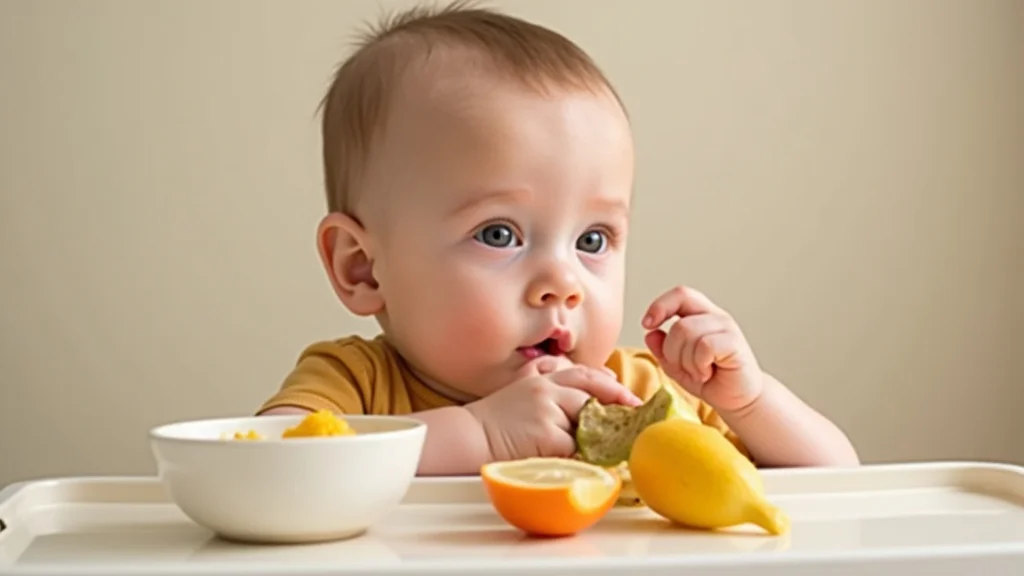
The first few months of parenthood are a whirlwind, and introducing solids to your little one can feel like another mountain to climb. You might find yourself staring at a jar of pureed sweet potatoes wondering where to even begin! But don’t worry, you’re not alone. This guide will walk you through everything you need to know about the 7 month old baby feeding schedule, providing you with a clear roadmap to successfully introduce your baby to solid foods. You’ll gain valuable insights into portion sizes, meal ideas, and what to watch out for, making mealtime a less stressful and more enjoyable experience for both you and your baby. By the end, you’ll be feeling confident and ready to tackle this exciting new phase.
Key Takeaways
- Learn a practical, age-appropriate 7 month old baby feeding schedule.
- Discover a variety of healthy and tasty food options for your baby.
- Understand proper portion sizes and how to introduce new foods.
- Get tips on managing food allergies and potential choking hazards.
- Find solutions to common feeding challenges, such as food refusal.
- Receive guidance on making mealtimes positive and enjoyable.
Introducing Solids: Setting the Stage for Success
Around seven months old, your baby’s development has reached a point where they are ready for the exciting adventure of solid foods! This transition is more than just about adding food to your little one’s diet; it’s a key milestone in their physical and cognitive growth. This stage builds a foundation for their future eating habits and overall health. Before starting, it is always a good idea to consult your pediatrician for personalized guidance. They can provide advice based on your baby’s unique health profile, growth, and development.
Signs Your Baby Is Ready for Solids
Every baby develops at their own pace, so look for these cues before starting solids: your baby can sit up with good head control; they show interest in food by watching you eat or reaching for your food; and they open their mouth when offered a spoon. These are all positive signs that your little one is ready to start their food journey.
- Good Head and Neck Control: Your baby can sit upright in a high chair or with support and maintain steady head control, which is essential for safe swallowing. This ensures they can manage the food in their mouth effectively, minimizing the risk of choking.
- Showing Interest in Food: Does your baby watch you eat with curiosity, reach for your food, or open their mouth when you bring food near them? These are clear signals they are intrigued by the idea of eating solid foods. This curiosity will make the introduction of solids a much easier process.
- Loss of the Tongue-Thrust Reflex: Babies are born with a reflex that pushes food out of their mouths to prevent choking. A sign of readiness is the lessening of this reflex; they no longer automatically push food out. This reflex diminishes around 4-6 months, preparing them to accept food into their mouths and swallow.
- Ability to Swallow: Your baby should be able to swallow food effectively, rather than spitting it out. Observing your baby swallow smoothly after taking a small amount of food shows that their swallowing mechanism is well-developed for solid foods.
Introducing solids too early can lead to digestive issues or potentially increased allergy risks. Conversely, delaying the introduction of solids could mean missing key nutritional opportunities or hindering the development of crucial oral motor skills.
Why Timing Matters
Starting solid foods at the right time is important for several reasons. It helps ensure your baby is getting the right nutrients as they grow, and it can also help prevent food allergies. Furthermore, it helps your baby learn new textures and tastes. Your baby’s digestive system is still developing, so introducing solids too early can be hard on their tummy. Starting too late can mean missing out on crucial nutrients.
- Nutritional Needs: Breast milk or formula alone may not provide enough iron and other nutrients as your baby grows. Solids are essential for filling in these nutritional gaps and supporting healthy development.
- Oral Motor Skills: Chewing and swallowing solid foods help develop these skills, vital for speech and more complex food textures later in life.
- Allergy Prevention: Early introduction of certain foods, like peanuts and eggs, may help prevent allergies. Talk with your pediatrician about the latest recommendations for introducing allergenic foods.
- Digestive Readiness: Your baby’s digestive system matures around 6 months, becoming better equipped to handle solid foods. Introducing solids before this time can lead to tummy troubles.
The 7 Month Old Baby Feeding Schedule: A Daily Roadmap
A typical 7 month old baby feeding schedule is a guide. It might need to be adjusted based on your baby’s individual needs. Consistency is helpful for your baby, but be flexible if needed. Always consult your pediatrician for a plan tailored to your baby’s specific needs. The core elements of the schedule focus on combining breast milk or formula with an increasing variety of solid foods.
Sample Daily Schedule
Here’s a sample schedule that you can adapt to suit your baby’s needs and preferences. Remember, every baby is different. Consider your baby’s hunger cues and adjust the timing and portion sizes accordingly. This is a general guide, and it is crucial to observe your baby for signs of hunger and fullness. The amount of food eaten can vary daily; some days, your baby may eat more, and some days less.
- 7:00 AM: Breast milk or formula, approximately 6-8 ounces.
- 8:00 AM: Breakfast, such as iron-fortified baby cereal mixed with breast milk or formula, and a small serving of fruit puree (e.g., banana, peaches). Offer about 2-4 tablespoons of solids.
- 10:00 AM: A mid-morning snack like a small portion of yogurt or soft, cooked vegetables.
- 12:00 PM: Lunch, which could include a puree of vegetables like carrots or peas, along with some protein such as a small portion of well-cooked and pureed chicken or lentils. Again, aim for 2-4 tablespoons of solids.
- 2:00 PM: Breast milk or formula, around 6-8 ounces.
- 4:00 PM: An afternoon snack, which could be a puree of a different fruit.
- 6:00 PM: Dinner, perhaps a combination of vegetable and meat purees or soft-cooked pasta. Offer about 2-4 tablespoons of solids.
- 7:00 PM: Breast milk or formula before bedtime.
- Throughout the Day: Offer sips of water from a sippy cup.
This schedule is a general guide and should be adapted to your baby’s individual needs and preferences.
Portion Sizes and Food Frequency
At seven months old, babies typically eat solid foods two to three times per day. The amount of food your baby eats will likely increase as they get older. Don’t worry if your baby doesn’t finish everything offered. Listen to your baby’s cues. Some days they’ll eat more, some days less. The important thing is to offer a variety of healthy options and let your baby set the pace.
- Portion Guide: Start with 1-2 tablespoons of food per meal and gradually increase as your baby’s appetite grows. By the end of the month, your baby might consume 2-4 tablespoons of each food group at each meal.
- Meal Frequency: Offer solids twice a day at the beginning, usually breakfast and dinner, and then add a third meal around lunchtime. This can change depending on your baby’s hunger.
- Variety: Introduce a new food every 2-3 days to watch for any allergic reactions.
- Consistency: Offer breast milk or formula before solids. This ensures your baby receives the most important nutrients.
Choosing the Right Foods for Your Baby
When selecting foods for your seven-month-old, the focus should be on nutrient-rich choices that are easily digestible and safe. Pureed foods are a great starting point, but you can also introduce soft, finger foods as your baby’s skills improve. Prioritize fresh, whole foods, and always read food labels carefully to avoid added sugars and salt.
Recommended Food Groups
It’s important to introduce foods from various food groups to ensure a balanced diet for your baby. Start with single-ingredient foods to see how your baby reacts to them before combining different foods. This method helps in identifying any allergies or sensitivities that your baby might have. This approach will make it easier to pinpoint the source of a reaction if one occurs.
- Fruits: Offer a variety of fruits like bananas, avocados, peaches, and pears. Make sure that you puree them smoothly or offer very soft pieces that your baby can easily chew and swallow. Avoid fruits that are choking hazards, such as whole grapes, until your baby can handle them safely.
- Vegetables: Introduce a range of vegetables such as sweet potatoes, carrots, peas, and green beans. These vegetables are packed with essential vitamins and fiber. Always cook vegetables until they are soft and easily mashed to avoid choking risks.
- Grains: Introduce iron-fortified baby cereals, oatmeal, or small amounts of cooked pasta. Grains offer your baby with the energy they need. Look for cereals that are low in sugar and added ingredients.
- Proteins: Offer pureed or finely ground meats like chicken, turkey, or beef. You can also offer small amounts of well-cooked eggs and beans, such as lentils and black beans. These foods provide essential amino acids for growth and development.
- Dairy: Introduce yogurt or cheese in small amounts. Plain yogurt offers probiotics to aid digestion. Make sure the cheese is pasteurized and low in salt. Avoid cow’s milk until your baby is closer to one year old.
Always consult with your pediatrician before introducing any new food groups, especially if there is a family history of allergies.
Foods to Avoid or Delay
Some foods are not appropriate for babies under a year old due to the risk of botulism, allergies, or choking hazards. Always be mindful of the ingredients in packaged baby foods and snacks. Always consult with your pediatrician before introducing any new food groups.
- Honey: Avoid feeding honey to babies younger than one year old because of the risk of infant botulism.
- Cow’s Milk: Avoid cow’s milk until your baby is one year old. It can be hard for babies to digest and does not provide enough iron.
- Certain Fruits and Vegetables: Avoid whole grapes, raw carrots, hard apple slices, and other foods that are choking hazards. Cut everything into small, manageable pieces.
- Added Sugar and Salt: Babies don’t need added sugar or salt. Always read labels to make sure the foods you’re giving your baby don’t have these ingredients.
- Highly Processed Foods: Limit packaged foods that are high in sodium, sugar, and unhealthy fats.
Managing Allergies and Choking Hazards
Food allergies and choking hazards are significant concerns when introducing solid foods. Recognizing the potential risks and taking the right precautions can help keep your baby safe. Familiarizing yourself with allergy symptoms and proper food preparation techniques will give you more peace of mind.
Allergy Awareness
Introducing common allergens one at a time can help you quickly identify any potential allergies. Always keep a close eye on your baby when introducing new foods. You can find out more about food allergies from the American Academy of Allergy, Asthma & Immunology or consult your pediatrician for more personalized advice.
- Introduce Allergenic Foods Early: The latest guidelines suggest introducing common allergens like peanuts, eggs, soy, and dairy early, starting around 6 months old.
- One New Food at a Time: Introduce each new food for 3-5 days before introducing another new food. This makes it easier to identify the source of any allergic reactions.
- Watch for Symptoms: Common allergy symptoms include skin rashes, hives, swelling, vomiting, and difficulty breathing.
- Seek Immediate Medical Help: If your baby shows signs of a severe allergic reaction (anaphylaxis), such as difficulty breathing or swelling, call emergency services.
Preventing Choking
Knowing how to safely prepare and serve food will greatly reduce choking risks. Be mindful of food texture, and always supervise your baby while they are eating. Learning basic first aid can also give you the confidence to handle any choking situations that might arise.
- Choose Safe Textures: Offer purees, mashed foods, and soft, cooked pieces. Avoid hard, sticky, or round foods that can be choking hazards.
- Prepare Foods Appropriately: Cut food into small, manageable pieces. Cook fruits and vegetables until they are soft.
- Supervise Mealtimes: Always supervise your baby while they are eating. Do not leave your baby alone with food.
- Learn Infant CPR and Heimlich Maneuver: Consider taking a first aid class that includes infant CPR and the Heimlich maneuver.
Addressing Common Feeding Challenges
Many babies experience feeding challenges at some point. Learning how to handle common issues like food refusal, picky eating, and gagging can make mealtimes less stressful and more enjoyable. Patience, perseverance, and a positive approach are essential. Consulting with your pediatrician or a feeding specialist can provide additional guidance.
Food Refusal and Picky Eating
Food refusal and picky eating are common, and it’s important not to force your baby to eat. If your baby refuses a food, don’t worry. Offer the food again later. Try different preparation methods. Create a positive and relaxed environment to encourage a positive relationship with food.
- Be Patient: It can take multiple exposures to a new food before a baby accepts it. Don’t give up if your baby refuses a food the first time.
- Offer a Variety: Keep offering a variety of foods to broaden your baby’s palate.
- Don’t Force: Never force your baby to eat. This can create negative associations with mealtimes.
- Make Mealtimes Positive: Create a relaxed and enjoyable eating environment. Eat meals with your baby whenever you can.
Gagging vs. Choking
Gagging and choking are different, and knowing the difference is vital for your baby’s safety. Gagging is a natural reflex that pushes food forward in the mouth. Choking is a more serious situation that requires immediate intervention. Learn how to recognize and respond to these situations.
- Gagging: Gagging is a normal reflex that helps prevent choking. The baby may cough or retch, but they are still able to breathe.
- Choking: Choking is a life-threatening emergency. The baby may not be able to breathe, cough, or make any sounds. The face may turn blue.
- How to Help: If your baby is choking, call for emergency help and perform the Heimlich maneuver.
- Prevention: Prepare foods in appropriate textures and supervise mealtimes.
Creating Positive Mealtimes
Mealtimes are not only about eating; they are also about connection, learning, and developing positive habits. By creating a pleasant mealtime environment, you can encourage your baby to try new foods and develop a healthy relationship with eating. A positive approach to mealtimes can help make it an enjoyable experience for the whole family.
Tips for Happy Mealtimes
Creating a positive atmosphere at mealtimes can help your baby feel secure, encouraging them to enjoy the experience of trying new foods. By making mealtimes an enjoyable experience, you are also establishing healthy eating habits for the future.
- Eat Together: Whenever possible, eat meals with your baby. Babies learn by watching others.
- Keep it Relaxed: Avoid distractions and create a calm environment.
- Offer Choices: Let your baby choose between a few different foods.
- Be Positive: Praise your baby when they try new foods. Avoid using food as a reward or punishment.
Common Myths Debunked
Myth 1: Babies don’t need water until they are older.
Reality: While breast milk or formula provides adequate hydration for the first six months, babies starting solid foods can benefit from small sips of water. Offering water helps with digestion and prevents constipation. Start by offering water from a sippy cup or a small open cup between meals.
Myth 2: You should only give your baby pureed foods.
Reality: While purees are a great starting point, introducing different textures is helpful for your baby’s development. Allowing your baby to try soft finger foods at 7 months can help them learn to self-feed and develop fine motor skills. Always make sure the food is cooked until very soft.
Myth 3: You can add salt and sugar to your baby’s food to make it taste better.
Reality: Babies do not need added salt or sugar. Their taste buds are more sensitive than those of adults, and they naturally enjoy the flavors of fresh foods. Adding salt or sugar can lead to unhealthy eating habits.
Myth 4: If my baby gags, it means they are choking.
Reality: Gagging is a natural reflex that babies use to move food forward in their mouth. Choking is a serious emergency where the baby cannot breathe or cough. Watch your baby carefully, and learn how to help them if they choke.
Myth 5: Introducing allergenic foods early will guarantee that my baby won’t have allergies.
Reality: Introducing allergenic foods early can reduce the risk of developing allergies, but it doesn’t eliminate it. Your baby might still develop an allergy. Watch for any reactions and consult with your pediatrician.
Frequently Asked Questions
Question: What if my baby doesn’t like a new food?
Answer: It can take multiple tries before a baby accepts a new food. Keep offering the food, and be patient.
Question: Can I add salt or sugar to my baby’s food?
Answer: No, babies do not need added salt or sugar. Focus on the natural flavors of the food.
Question: What do I do if my baby chokes?
Answer: If your baby is choking, call for emergency help and perform the Heimlich maneuver.
Question: How much water should I give my baby?
Answer: Offer small sips of water from a sippy cup between meals.
Question: What’s the best way to introduce allergenic foods?
Answer: Introduce allergenic foods one at a time, and watch for any signs of an allergic reaction.
Final Thoughts
Embarking on the solid food journey with your seven-month-old is an exciting time, and this guide provides a foundation for success. The 7 month old baby feeding schedule is a helpful tool, but it’s important to remember that every baby is unique. By understanding the signs of readiness, choosing the right foods, and being aware of potential risks, you can make mealtimes a positive and enjoyable experience. Patience, observation, and a willingness to adjust will be your greatest assets. Now you’re equipped to make informed choices. Embrace the adventure, and enjoy watching your little one explore new flavors and textures!