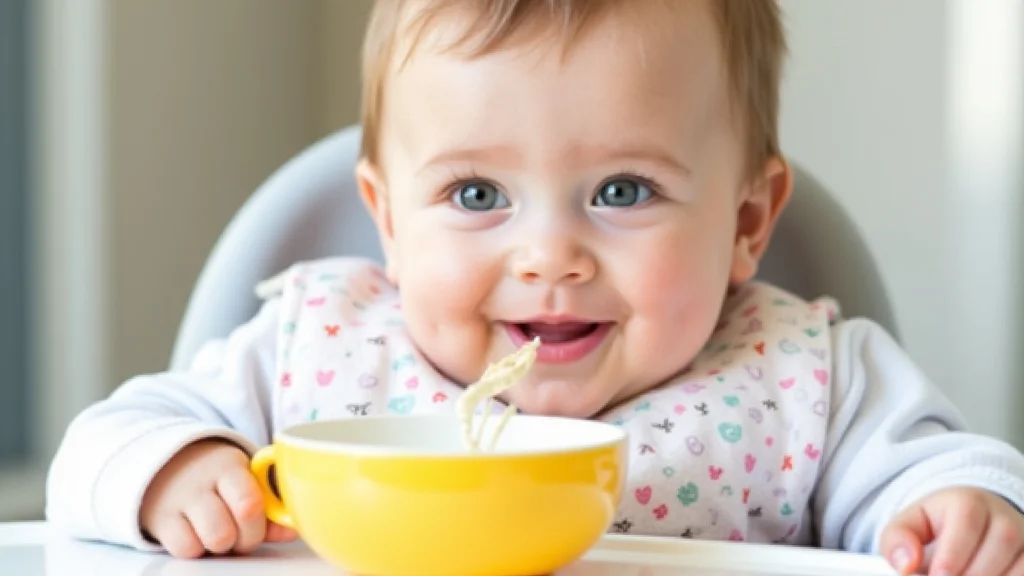
Picture this: a tiny human, happily enjoying their first taste of pureed sweet potatoes. Then, disaster strikes! Orange puree goes everywhere – on their clothes, the high chair, even your face. This is where a good baby feeding bib becomes your best friend. Choosing the right bib can save you from countless laundry loads and make mealtimes a lot less stressful. This guide will help you select the ideal baby feeding bibs for your little one, covering material types, cleaning tips, and helpful features. You’ll gain valuable insights to simplify mealtime and keep your baby comfortable and clean.
Key Takeaways
- Learn about different bib materials and their pros and cons.
- Discover the key features to look for in a baby feeding bib.
- Understand the best ways to clean and maintain your bibs.
- Find out which bib styles are most suitable for different ages and stages.
- Explore the benefits of various bib designs, such as pocket bibs.
- Get tips on choosing bibs that are safe, durable, and stylish.
Materials That Make a Difference for Baby Feeding Bibs
The material of a baby bib significantly impacts its effectiveness and ease of use. Different materials offer various benefits, catering to different needs and preferences. From absorbent cotton to waterproof silicone, exploring the material options helps you find the bib that best suits your baby’s needs and your lifestyle. Factors such as absorbency, ease of cleaning, and durability play a huge role in the selection.
Cotton Baby Bibs
Cotton bibs are a classic choice, known for their softness and absorbency. They are typically made from materials like muslin or terry cloth, both of which are gentle on a baby’s delicate skin. Muslin is very lightweight and breathable, making it excellent for warm weather. Terry cloth offers superior absorbency, ideal for catching spills and drool. A key benefit of cotton is its natural breathability, reducing the risk of skin irritation. However, cotton bibs can stain easily and may require more frequent washing, especially after messy meals.
- Absorbency: Muslin and terry cloth excel at soaking up liquids.
- Softness: Cotton is gentle, preventing skin irritation.
- Breathability: Muslin is particularly good at allowing air circulation.
- Durability: Cotton bibs can withstand numerous washes.
- Maintenance: Cotton bibs need regular washing to stay clean.
Cotton bibs are a solid choice for everyday use, particularly in the early months. Their ability to soak up liquids makes them great for drooling babies, and they feel great on delicate skin. For example, a parent might choose a set of muslin bibs for a newborn because they’re light and prevent skin irritation. They are generally low cost, making them a great option for parents on a budget. However, be prepared for some stains.
Silicone Baby Bibs
Silicone bibs have become popular because of their waterproof qualities and easy-to-clean design. They are made from food-grade silicone, making them safe for babies. The main advantage of silicone bibs is their waterproof nature, which prevents liquids from soaking through to the baby’s clothing. Most silicone bibs come with a built-in pocket, perfect for catching fallen food. They wipe clean easily with a damp cloth or can be washed in the dishwasher. Silicone is also incredibly durable, lasting longer than many other materials.
- Waterproof: Prevents liquids from reaching clothing.
- Easy to Clean: Wipes clean or dishwasher safe.
- Pocket Design: Catches falling food.
- Durability: Long-lasting and can endure regular use.
- Safety: Made from food-grade silicone.
Silicone bibs are a great option for parents looking for a simple cleanup. Because of their ability to catch fallen food, they minimize messes and reduce the time spent cleaning after a meal. For example, a parent might opt for silicone bibs when their child starts eating solids, to make mealtimes less chaotic. The material is also free of harmful chemicals, which offers peace of mind. Some parents report that silicone bibs can feel less comfortable in very hot weather, which is something to consider.
Other Bib Materials and Their Functions
Besides cotton and silicone, a few other materials are commonly used in baby bibs. Each material offers its unique advantages. For instance, some bibs combine multiple materials to get the best of both worlds. The best bib depends on a balance of your needs and the baby’s comfort.
- Polyester: Often used for its stain resistance and quick-drying properties. Polyester bibs are sometimes used in combination with other materials. This combo can be handy for busy parents, but the material can sometimes feel less gentle compared to cotton.
- Bamboo: Bamboo bibs are known for their softness and eco-friendly nature. They are also hypoallergenic, making them a good option for babies with sensitive skin.
- Waterproof Backing: Many bibs have a waterproof backing, often made of materials such as polyethylene (PEVA). This prevents liquids from seeping through, protecting the baby’s clothes, and is often used in combination with cotton or other absorbent materials.
Choosing the correct material is vital for a good experience. A parent who values eco-friendliness might go with bamboo bibs, while another one might choose polyester for its easy-to-clean qualities. Think about the baby’s comfort, ease of cleaning, and how much time and energy you want to spend on laundry. The best decision depends on individual needs and preferences.
Key Features to Look for in Baby Feeding Bibs
Beyond the material, several other key features impact a baby feeding bib’s usefulness. These features enhance the bib’s functionality, making mealtimes easier and less messy. From the closure type to pocket designs, each feature contributes to the overall effectiveness of the bib.
Closure Types for Baby Feeding Bibs
The closure of a baby bib is a key feature, directly influencing how comfortable and secure the bib is. Different closure types offer varying levels of adjustability and ease of use. From simple snaps to adjustable Velcro, the choice of closure impacts the overall experience.
- Snaps: Snaps offer a secure closure that is difficult for a baby to remove. They typically have multiple size settings, which makes them perfect for adjusting the fit as your baby grows. Snaps are a durable option, but they might be a little trickier for parents to fasten quickly.
- Velcro: Velcro closures are quick and easy to use, making them a great choice for parents who want a fast setup. They provide adjustability, but some babies might be able to detach them. Also, Velcro can lose its grip over time with repeated use and washing.
- Adjustable Straps: Some bibs come with adjustable straps, allowing a custom fit. This style typically offers a greater range of sizing, but they might require a bit more time to secure properly.
- Tie Closures: Tie closures provide a classic look and offer a lot of adjustability. However, they might take a little extra time to tie correctly. They are less common these days.
Selecting the right closure type is a balance of convenience, adjustability, and safety. A parent prioritizing speed and ease might prefer Velcro, while one wanting a secure fit might opt for snaps. Safety is important; avoid closures that pose a choking hazard.
Pocket Designs and Their Benefits
A pocket design is a great feature for baby feeding bibs, designed to catch food and liquids that fall during feeding. This reduces mess and minimizes the need for frequent cleanups. There are two main types of pocket designs: fixed and adjustable.
- Fixed Pockets: These pockets are typically sewn or integrated into the bib design. They offer a stable food-catching area and are less likely to collapse during use.
- Adjustable Pockets: Some bibs have pockets that can be adjusted.
- Pocket Depth: Deeper pockets are generally more effective at catching food.
- Pocket Material: Silicone pockets are easy to clean, while fabric pockets might be less effective.
A pocket design can make mealtimes less messy. For example, a parent who regularly feeds their baby pureed foods might find that a bib with a fixed pocket is a real help. They catch the majority of falling food, which is great for parents who want to minimize cleaning time. Pocket bibs are also great for self-feeding babies. The choice depends on the kind of foods served and the preferences of the parents. A silicone pocket is easy to clean, while a fabric pocket is easier on the baby’s skin.
Neckline Considerations
The neckline of a baby feeding bib is critical for comfort and effectiveness. A poorly designed neckline can irritate a baby’s skin or allow food to spill down onto their clothes. Therefore, understanding the key neckline features is vital when choosing a bib.
- Fit: A proper fit is important to make sure the bib catches spills without causing discomfort. The neckline should fit snugly but not too tightly.
- Adjustability: Adjustable necklines, which feature snaps, Velcro, or straps, provide a custom fit as the baby grows.
- Material: The neckline material must be gentle on the skin. Fabrics like cotton and soft silicone are good choices.
- Coverage: Make sure the neckline offers good coverage. A wide neckline helps protect the baby’s clothes.
A well-designed neckline improves the feeding experience for both baby and parent. A parent whose baby drools a lot might prefer a bib with a snug, absorbent neckline to catch the moisture and prevent skin irritation. Look for adjustable options that accommodate your baby’s growth and comfort, which will provide a fit that is both effective and comfortable. Consider a soft fabric.
Cleaning and Maintaining Baby Feeding Bibs
Proper cleaning and maintenance of baby feeding bibs prolong their lifespan and ensure hygiene. Different materials call for different cleaning methods, so understanding these techniques is vital. Here’s a look at the various cleaning processes.
Washing Guidelines for Different Bib Materials
The best way to wash baby bibs depends on the material they’re made of. Following the right guidelines keeps the bibs clean and in good shape. From machine washing to hand washing, here’s how to care for your bibs.
- Cotton Bibs: Cotton bibs are typically machine washable. Wash them in warm or hot water with regular detergent. For heavy stains, pre-treat the bibs with a stain remover before washing. Tumble dry on low heat or hang them to dry.
- Silicone Bibs: Silicone bibs are usually easy to clean. Wipe them down with a damp cloth or rinse them in the sink. You can also wash silicone bibs in the dishwasher, usually on the top rack.
- Polyester Bibs: Polyester bibs should be machine washed in cold or warm water. They dry rapidly, so tumble drying is optional. Avoid high heat to prevent damage to the material.
- Bamboo Bibs: Bamboo bibs should be washed in cold water. Use a gentle detergent and avoid bleach. Tumble dry on low or hang them to dry.
- Bibs with Waterproof Backing: Bibs with waterproof backing should be washed according to the instructions for the absorbent material. Avoid high heat when drying to protect the waterproof layer.
The correct cleaning method will maintain bibs in good shape. For instance, a parent might machine wash their cotton bibs weekly, using a stain remover to get rid of food marks. Following the washing guidelines helps to maintain the bib’s functionality and hygiene. Regularly washing the bibs will keep them clean and ready for each meal.
Stain Removal Tips for Baby Bibs
Baby bibs often get stained. Knowing how to remove these stains will keep your bibs looking good. Different types of stains demand various methods for effective removal. From common food stains to more stubborn marks, here are a few tips to remove them.
- Pre-Treating: Pre-treating stains before washing can improve your chances of removing them. Apply a stain remover or a mix of dish soap and water to the stain. Allow it to sit for a few minutes before washing.
- Food Stains: For fruit and vegetable stains, rinse the bib immediately with cold water. Soak the bib in a solution of cold water and vinegar. Then, wash the bib as usual.
- Grease Stains: Rub baking soda onto the stain to absorb the grease. Let it sit for a few minutes before washing with detergent and hot water.
- Milk Stains: Rinse the bib in cold water and soak it in a solution of cold water and detergent. Wash as usual. Avoid hot water, which can set the stain.
- Stubborn Stains: If stains remain, try soaking the bib in a bleach solution. Always check the bib’s care instructions first, as some materials may not tolerate bleach.
Effective stain removal is key to keeping your bibs in their best shape. A parent battling stubborn carrot stains might find that pre-treating the bib with a stain remover before washing helps. By following these stain removal tips, bibs will last for a long time. Regularly dealing with stains keeps bibs clean and ready for mealtime. It keeps them clean and looks as good as new.
Proper Storage and Care
Proper storage and care help preserve baby feeding bibs, keeping them clean and accessible. Implementing a few simple steps ensures that the bibs remain in good shape, ready for use. From organizing to ensuring the best performance, here is how to take good care of the bibs.
- Organizing Bibs: Store bibs in a location that is easily accessible. Use a drawer, basket, or hook near the feeding area. Separating clean and used bibs is key.
- Drying Bibs: Always make sure bibs are completely dry before putting them in storage. Moisture can cause mold and mildew. Hang them or lay them flat until they are totally dry.
- Checking for Damage: Check the bibs regularly for wear and tear. Repair any loose snaps, tears, or other damage right away. This prevents any further problems and assures the bibs remain safe.
- Material Specific Care: Follow the care instructions for each bib material. Some materials require special attention, like not using high heat on waterproof backings.
- Rotating Bibs: Rotate the bibs, so each one gets equal use.
Proper storage is essential to prolonging the lifespan and performance of your bibs. A parent might keep a collection of clean bibs in a drawer. Following these easy guidelines will keep your bibs clean, safe, and available for use whenever needed. Proper care and storage maintain the bib’s quality and ensures it’s always ready for the next meal.
Bib Styles for Different Ages and Stages
Baby feeding bibs evolve with a baby’s needs as they grow and change. Matching the bib style to the stage of development enhances both comfort and convenience. Knowing the types of bibs that are best for each age group is key to maximizing effectiveness.
Bibs for Newborns and Infants
Newborns and infants need bibs to manage drool and small spills. The bib styles that work best here focus on softness and absorbency. These bibs are typically used to catch drool and to protect clothing. They offer a gentle touch for the baby’s sensitive skin. These babies often make small messes, so the focus is more on drool than on food. Here is a look at the best bibs for infants.
- Drool Bibs: Small, soft bibs are used to catch drool. They can be made of cotton muslin or terry cloth, offering high absorbency. These bibs are perfect for keeping the baby’s clothing dry and can be used throughout the day.
- Burp Cloths: Burp cloths are large and used to protect the parent’s clothes during burping. They can be made of various absorbent materials. These are great for catching any spit-up.
- Material Choice: For newborns, choose soft, breathable materials such as muslin and terry cloth. These are gentle on the baby’s delicate skin and offer a good level of absorbency.
- Closure Types: Look for bibs with adjustable snap or Velcro closures. These closures should be easy to use and secure. Snaps provide a good fit.
For newborns and infants, a parent will opt for soft, absorbent drool bibs to handle drool and little spills. The goal is to keep the baby comfortable and the clothing clean. These bibs are often a lifesaver, and the baby’s skin stays clear of any irritation. Always ensure that the bibs fit well and are safe, which makes these bibs a must-have for newborns.
Bibs for Babies Starting Solids
When babies start solids, the type of bib needed changes to deal with food spills. These bibs need to catch solids and be easy to clean. Bibs at this stage usually have a pocket. The goal is to prevent food from getting on the baby’s clothes and to make cleanup simple. Here is a look at the best bibs for babies starting solids.
- Pocket Bibs: Pocket bibs are designed with a built-in pocket at the bottom. The pocket catches falling food, reducing mess. Silicone bibs are a great option here because they are waterproof and easy to clean.
- Long-Sleeve Bibs: Long-sleeve bibs provide full coverage, protecting the baby’s clothing from food. They are great when babies are learning to self-feed. These bibs are often made of waterproof or water-resistant materials.
- Material Choice: For starting solids, look for waterproof or water-resistant materials, like silicone and polyester. These are easy to wipe clean.
- Size and Fit: Make sure the bib fits snugly. The neckline should fit comfortably, preventing food from getting inside the bib. The bib should cover the baby’s chest and shoulders to provide the best protection.
When starting solids, parents need bibs that handle food spills. A parent will likely choose a silicone pocket bib, which catches dropped food, making cleanup much easier. Long-sleeve bibs offer full coverage during the self-feeding stage. The main goal here is to keep the baby’s clothes clean and the cleanup process easier, so the right bib choice will have a huge impact.
Bibs for Toddlers and Beyond
Toddlers often use bibs for more than just meals. For toddlers, bibs must offer a wider range of protection and durability. As the babies grow, the bib needs to cover more area. They are often used during art activities as well as mealtime. These bibs are usually made of materials that are strong and easy to clean.
- Full-Coverage Bibs: Full-coverage bibs are made with sleeves to cover the baby’s clothes during mealtime and arts and crafts. They offer a good level of protection against spills and stains.
- Waterproof Apron Bibs: Waterproof apron bibs are designed for maximum protection, often featuring a large pocket and a long length. These are great for toddlers who are messy eaters or participate in art projects.
- Material Choice: Choose durable, easy-to-clean materials like polyester or silicone. These are strong enough to withstand frequent use and washing.
- Adjustability and Comfort: Look for bibs with adjustable closures and necklines that fit well. They should be comfortable for long periods of time.
Toddlers need full-coverage bibs, particularly for messy activities. A parent might choose an apron-style bib with sleeves to protect their child’s clothing during art projects. The focus shifts to full coverage and durability. Choosing the proper bib makes a world of difference. It also minimizes cleanup efforts and keeps the child’s clothes clean.
Common Myths Debunked
There are many myths about baby feeding bibs. It’s important to differentiate between facts and myths to choose the best bibs. Here are some commonly held misconceptions. Separating myth from reality will help you make educated decisions.
Myth 1: All Bibs Are the Same
Reality: Bibs vary greatly in terms of material, features, and design. Some are made of cotton, silicone, or polyester. Some have pockets, adjustable necklines, and snap or Velcro closures. Each style of bib is created for different purposes.
Myth 2: Expensive Bibs Are Always the Best
Reality: The best bib isn’t always the most expensive. Price and quality are not always connected. A cheap silicone bib can be just as efficient as an expensive brand. The ideal choice depends on the material, the fit, and the specific requirements of the baby.
Myth 3: Silicone Bibs Are Not Safe
Reality: Food-grade silicone bibs are safe. They are free from harmful chemicals. Always make sure the bib is made from food-grade silicone and meets safety guidelines.
Myth 4: You Don’t Need Bibs If Your Baby Isn’t Messy
Reality: Bibs do more than just manage spills. Bibs safeguard clothing from drool and minor messes. Bibs also make cleanup easier. They prevent food and liquids from directly touching a baby’s clothing.
Myth 5: All Bibs Are Hard to Clean
Reality: Many bibs are simple to clean. Silicone bibs are easy to wipe clean or place in the dishwasher. Cotton bibs are machine washable. Selecting the correct materials and following the washing instructions will make cleanup fast and easy.
Frequently Asked Questions
Question: How many bibs does a baby need?
Answer: It depends on your baby’s eating habits and your laundry routine. Start with a set of 6-8 bibs for frequent use and rotation.
Question: Are all silicone bibs safe for babies?
Answer: Yes, as long as they are made from food-grade silicone.
Question: Can I put all bibs in the dishwasher?
Answer: Silicone bibs are often safe for the dishwasher. Cotton bibs are not suitable for dishwashers. Always check the care instructions.
Question: How do I remove stubborn stains from bibs?
Answer: Pre-treat stains with a stain remover. Let it sit for a few minutes before washing. For persistent stains, try soaking the bib in a solution of warm water and detergent.
Question: When should I start using bibs?
Answer: Start using bibs from day one to catch drool and spills. Use them throughout the baby’s first year and beyond.
Final Thoughts
Choosing the right baby feeding bibs involves several considerations, from the material to the design and overall ease of use. You have explored the various materials, including cotton, silicone, and others, and learned about their benefits. You now understand which closure types and pocket designs work best for different situations. This guide also discussed the importance of proper cleaning and maintenance, which will help keep the bibs clean and lasting for a long time. In addition, you have gained insights into how to choose the right bibs for each stage of your baby’s development, from newborn to toddler.
Now, equipped with this knowledge, you are ready to explore the market for the best baby feeding bibs. Don’t be afraid to experiment to find the bibs that work best. By choosing the right bibs, you can streamline mealtime and spend less time cleaning up and more time enjoying those precious moments with your little one. Keep in mind your lifestyle, the baby’s comfort, and ease of cleaning. Happy feeding!