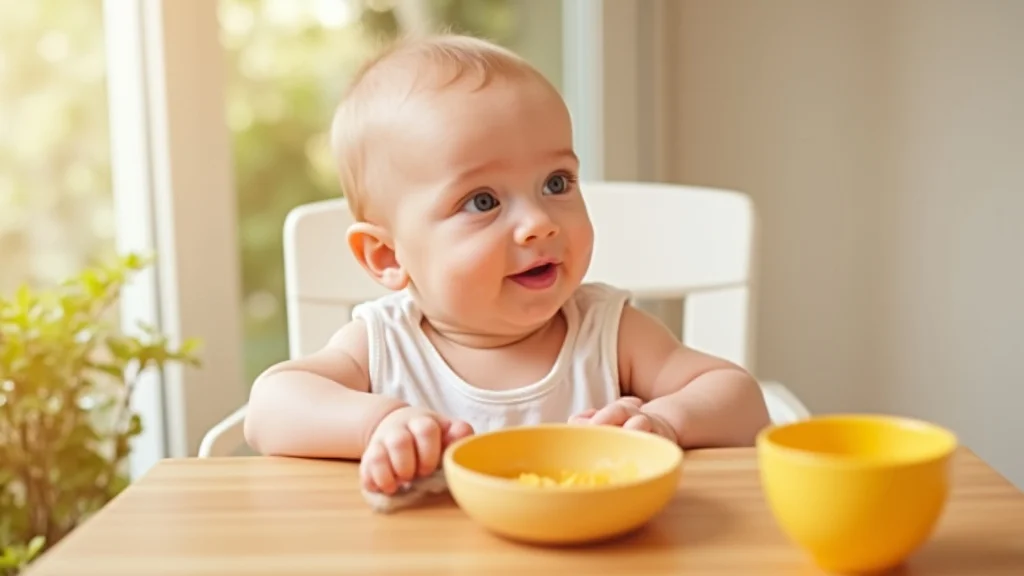
The first spoonful of mashed sweet potato. The squished peas. The delighted (and sometimes disgusted) faces. Introducing solid food to your six-month-old baby is a huge milestone! It’s a time filled with excitement, maybe a little bit of anxiety, and definitely a lot of mess. This guide will walk you through everything you need to know about a 6 month old baby feeding schedule solid food, from the best first foods to how much your little one should be eating. You’ll learn how to establish a routine that works for both you and your baby.
Key Takeaways
- Learn the ideal timing and frequency for introducing solid foods to your 6 month old.
- Discover the best first foods to offer, focusing on nutrition and ease of digestion.
- Understand portion sizes and how to adjust them as your baby grows and develops.
- Find out how to manage food allergies and introduce new foods safely.
- Get tips on creating a positive and enjoyable mealtime experience for your baby.
- Explore sample schedules to help build a consistent 6 month old baby feeding schedule solid food routine.
Getting Started with Solid Foods
Congratulations, your baby is six months old! This is often the recommended age to begin exploring solid foods, though every baby develops at their own pace. Before you start, make sure your baby is showing the key readiness signs. These signs include being able to sit up with support, showing interest in food by watching you eat, opening their mouth when a spoon is offered, and having good head control. Always consult your pediatrician before introducing solids to confirm your baby is ready. Starting too early can sometimes lead to digestive issues, while waiting too long can potentially lead to picky eating habits.
Recognizing Readiness Cues
Babies communicate their readiness in several ways. Observing these cues is key. Babies who can sit upright with minimal support demonstrate the necessary core strength to manage eating. This is critical for preventing choking. When a baby shows an eagerness to watch others eat, they are also indicating a developing interest in food. It’s not just about what is being put into their mouth, it’s about the social and learning aspects of eating. Opening their mouth wide when a spoon approaches is another clear signal of their eagerness. Lastly, a baby should have solid head control to swallow foods safely and effectively.
- Sitting Upright: Your baby should be able to sit up unsupported or with minimal assistance. This shows good neck and core strength, important for safe swallowing.
- Interest in Food: They watch you eat and appear curious about what’s on your plate. This signals they are ready to explore new flavors and textures.
- Opening Mouth: Baby opens their mouth when you offer a spoon. This indicates acceptance and a willingness to try the food.
- Good Head Control: They can hold their head steady. This prevents choking and helps with swallowing.
A study published by the American Academy of Pediatrics recommends that the introduction of solid foods should coincide with the development of these signs. Waiting until your baby shows these signs can assist in easing the transition to solids and create a positive experience for both of you.
Choosing the Right First Foods
When starting solids, start with foods that are easy to digest and have low allergy potential. Single-ingredient purees, made from well-cooked and soft foods, are the ideal starting point. It’s best to introduce one new food at a time, allowing a few days between introducing each new food. This allows you to monitor for any allergic reactions or digestive issues. This methodical approach will make it simpler to discover the cause in the event of any problems.
- Iron-Fortified Cereals: Rice, oatmeal, or barley cereal, mixed with breast milk or formula, are an excellent first food. They are rich in iron, which is important for baby’s development.
- Pureed Vegetables: Start with single-ingredient purees like sweet potatoes, carrots, peas, and green beans. These offer essential nutrients and are gentle on the digestive system.
- Pureed Fruits: Applesauce, banana, avocado, and peaches are nutritious and often well-received by babies due to their natural sweetness.
- Meat Purees: Introduce small amounts of pureed chicken, turkey, or beef. These provide essential protein and iron.
Introducing a variety of colors, textures, and tastes early on is key to develop your baby’s palate. The goal is to develop a relationship with different foods, not necessarily how much is consumed at first. Consider this a time to explore and enjoy.
Sample Feeding Schedule
A 6 month old baby feeding schedule solid food is a combination of breast milk or formula with the gradual introduction of solids. Initially, solids should complement, not replace, milk feeds. The following schedule is a sample; always adjust it to your baby’s cues and preferences.
- Morning (7:00 AM – 8:00 AM): Breast milk or formula feeding.
- Breakfast (8:00 AM – 9:00 AM): 2-4 tablespoons of iron-fortified cereal mixed with breast milk or formula, or pureed fruit.
- Mid-Morning (10:00 AM): Breast milk or formula feeding.
- Lunch (12:00 PM – 1:00 PM): 2-4 tablespoons of pureed vegetables or meat.
- Afternoon (3:00 PM): Breast milk or formula feeding.
- Dinner (6:00 PM – 7:00 PM): 2-4 tablespoons of pureed vegetables or fruit.
- Bedtime (7:30 PM – 8:00 PM): Breast milk or formula feeding.
Adjust the quantities based on the baby’s appetite. Each baby is different, so it’s critical to pay attention to your baby’s hunger and fullness cues. Some babies might be happy with a couple of spoonfuls, while others might eat a little more. Always provide the same amount of breast milk or formula at the same times to keep the infant hydrated and nourished.
Establishing a Routine for Solid Food
Consistency is key to establishing a positive mealtime experience for your baby. A predictable routine can make the transition to solids easier and create a sense of comfort and security. Regular mealtimes help babies anticipate and enjoy feeding times. This predictability can help regulate their appetite and promote healthy eating habits.
Creating a Mealtime Environment
The mealtime setting contributes to your baby’s overall experience with food. Choose a comfortable, quiet, and well-lit area. Use a high chair that provides good support. Minimizing distractions will help your baby focus on eating. Be sure the chair is properly secured to avoid any risks. Make sure that you are in a calm state too. Baby’s pick up on feelings and energy.
- Quiet and Calm Atmosphere: Minimize distractions like television or loud noises.
- Comfortable High Chair: Provides support and safety.
- Positive Attitude: Keep it light and encouraging, even if food ends up everywhere!
- Family Meals: If possible, include your baby at family mealtimes to promote social interaction.
Make mealtime a pleasant experience. It is not always about what is consumed but about the act of eating itself. Enjoy the interaction and engagement with your baby as you feed them.
Understanding Portion Sizes and Frequency
Starting with small portions is best. At six months, babies only need a few spoonfuls of solids to begin. As your baby develops, the volume and frequency will increase. It is important to watch the cues that your baby will send. They will let you know when they are full or want more. Forcing your baby to eat more than they want can cause a negative relationship with food.
- Start Small: Begin with 1-2 tablespoons of solids once or twice a day.
- Increase Gradually: Increase portion sizes as your baby shows interest and their appetite grows.
- Frequency: Gradually increase the number of meals to two or three times a day.
- Breast Milk or Formula: Continue offering breast milk or formula as the primary source of nutrition.
Breast milk or formula should still be the primary source of nutrition at six months. Solids are to supplement their intake. Over time, you can gradually increase the quantity of solids and decrease the milk feeds.
Monitoring Your Baby’s Cues
Babies communicate their hunger and fullness in various ways. Learning to read your baby’s cues helps create a healthy feeding experience. Your baby will let you know when they need more food and when they are full. Pay attention to how your baby responds to different foods and the pace at which they eat.
- Signs of Hunger: Leaning forward, opening their mouth, reaching for food, and getting excited.
- Signs of Fullness: Turning their head away, closing their mouth, slowing down the pace of eating, or showing a lack of interest in the food.
- Observe Eating Pace: Some babies eat quickly, while others take more time. Respect your baby’s pace.
- Avoid Force-Feeding: Never force your baby to finish a meal.
Remember that it’s important to respect your baby’s cues. Learning to read these cues can assist in creating a positive relationship with food.
Foods to Introduce & Those to Avoid
When introducing new foods, it is important to follow the recommended guidelines to ensure the safety and health of your baby. Not all foods are appropriate for a 6 month old. Certain foods pose choking hazards or are hard to digest. Following these guidelines helps keep your baby safe and helps you stay within the recommendations of nutritionists and pediatricians.
Foods to Prioritize
Focus on nutrient-dense foods that are easy to digest and provide essential vitamins and minerals. These foods help support your baby’s growth and development. Always make sure the foods are cooked properly and pureed or mashed to a safe consistency.
- Iron-Rich Foods: Iron is critical for brain development. Iron-fortified cereals, pureed meats, and egg yolks are great options.
- Vegetables: Start with single-ingredient purees like carrots, sweet potatoes, peas, and green beans. These vegetables are packed with vitamins and antioxidants.
- Fruits: Applesauce, bananas, peaches, and avocados are great choices. These foods are a good source of vitamins and dietary fiber.
- Healthy Fats: Avocado and unsalted nut butters (thinned with water or breast milk) provide essential fats for brain development.
A diverse diet early on assists in developing a baby’s palate and introduces them to various flavors and textures.
Foods to Avoid or Delay
Some foods are best avoided or introduced with caution. Certain foods can pose choking hazards. Others can cause allergic reactions. It’s important to be aware of what is potentially harmful to your baby to prevent any adverse health issues.
- Honey: Avoid honey until the baby is one year old to prevent infant botulism.
- Cow’s Milk: Whole cow’s milk can be introduced in small amounts after one year old.
- Unpasteurized Foods: Avoid unpasteurized cheeses or juices due to the risk of bacteria.
- Choking Hazards: Whole grapes, nuts, raw carrots, and popcorn pose a choking risk.
- High-Sodium Foods: Avoid adding salt to baby’s food and limit processed foods that are high in sodium.
Consult with your pediatrician if you have questions about specific foods or any dietary concerns. Introduce new foods one at a time to monitor for any reactions.
Managing Food Allergies
Food allergies can be a concern when introducing solids. Familiarize yourself with signs of allergies and how to respond if they occur. Introducing potential allergens early in life under appropriate supervision can sometimes help to prevent allergies. Always talk to your pediatrician about how to best address the possibility of allergies.
- Recognizing Symptoms: Watch for hives, swelling, rash, vomiting, diarrhea, or difficulty breathing.
- Introduce One Allergen at a Time: Introduce a new potentially allergenic food every few days, monitoring for symptoms.
- Common Allergens: Eggs, peanuts, tree nuts, milk, soy, wheat, fish, and shellfish are common allergens.
- Seek Medical Help: If an allergic reaction occurs, contact your doctor immediately or seek emergency medical care.
Food allergies can present in different ways, from mild to severe. It’s important to stay informed and be prepared.
Preparing Baby Food Safely
Preparing baby food at home allows you to control ingredients and avoid unnecessary additives. Ensuring food safety is critical to prevent illness and provide optimal nutrition. Safe handling practices minimize risks and promote healthy eating habits.
Food Safety Guidelines
Following strict food safety guidelines is important when preparing baby food. Cleanliness, proper cooking methods, and appropriate storage are all important. This minimizes the risk of bacterial growth and foodborne illnesses. Proper hygiene is essential from start to finish.
- Clean Hands and Surfaces: Wash your hands and all surfaces thoroughly.
- Cook Thoroughly: Cook foods to a safe internal temperature.
- Avoid Cross-Contamination: Use separate cutting boards and utensils for raw and cooked foods.
- Proper Storage: Store prepared food in airtight containers in the refrigerator for no more than 2-3 days.
- Freezing: Freeze baby food in small portions for longer-term storage.
Following these guidelines can assist in promoting the baby’s safety and health. It’s about creating a safe environment and handling food in ways that protect your baby.
Making Homemade Baby Food
Making your own baby food gives you complete control over the ingredients. It can also save money and allows you to customize the flavors and textures according to your baby’s preferences. This can be a rewarding experience. It also allows you to be sure the ingredients are high quality.
- Choose Fresh Ingredients: Opt for fresh, organic fruits and vegetables when possible.
- Cooking Methods: Steam, bake, or boil foods until soft.
- Pureeing: Use a food processor, blender, or immersion blender to create a smooth puree.
- Texture: Adjust the consistency according to your baby’s needs and stage of development.
- Freezing: Freeze purees in ice cube trays or small containers for easy portioning.
Preparing homemade baby food is not only cost-effective but also lets you give your baby the highest quality food. It provides a means to ensure they receive the best nutrition.
Buying Pre-Made Baby Food
Pre-made baby food can be a convenient option. They offer a time-saving solution for busy parents. Selecting the right pre-made baby food involves reading labels carefully and choosing products that are suitable for your baby’s age and dietary requirements. This option is easier sometimes, especially on the go.
- Read Labels: Check for ingredients, added sugars, and sodium content.
- Age Appropriateness: Choose foods that are appropriate for your baby’s age and developmental stage.
- Single-Ingredient Options: Start with single-ingredient purees to introduce new foods and identify potential allergens.
- Storage and Handling: Check the expiration dates and follow the storage instructions.
- Organic Choices: Consider organic options if you have any concerns about pesticides.
Purchasing pre-made baby food is a useful and time-saving choice. Making sure you read the labels can ensure that you are making safe and healthy decisions for your baby.
Common Myths Debunked
Myth 1: Babies don’t need solids until they’re six months old.
While six months is generally the recommended starting point, every baby is different. Readiness signs are more important than age alone. Make sure that you consult with your pediatrician for the appropriate timing for your baby. Observing the cues your baby provides will help guide you.
Myth 2: Babies can eat anything adults eat.
Not all adult foods are suitable for babies. Babies need foods that are easy to digest and free from added salt, sugar, and honey. Avoiding choking hazards is also very important. Slowly introducing foods and starting with single ingredients will help ensure your baby is safe.
Myth 3: Introducing solids will make my baby sleep through the night.
While solid foods are a valuable source of calories and nutrients, they don’t automatically guarantee better sleep. Some babies might sleep longer once they start eating solids, but sleep patterns vary widely. Solid foods will not always solve the sleep issue.
Myth 4: Babies need to eat a lot of food when starting solids.
Babies start with small portions. It’s more important to introduce new flavors and textures. The focus should be on exposing the baby to new foods. Forcing a baby to eat can create a negative relationship with food. Increase the amount as the baby’s appetite increases.
Myth 5: If my baby spits it out, they don’t like it.
Babies often need multiple exposures to a new food before they accept it. Keep offering the food, even if your baby initially rejects it. Try to incorporate the same foods in different ways to see if that helps to interest them. Persistence is key, as babies often need to explore a food several times before they enjoy it.
Frequently Asked Questions
Question: When should I start my baby on solid foods?
Answer: Generally, around six months of age, when your baby shows signs of readiness, such as sitting up with support, showing interest in food, and good head control. Always speak to your pediatrician.
Question: What are the best first foods for a 6 month old?
Answer: Iron-fortified cereals, pureed vegetables (like sweet potatoes and carrots), and pureed fruits (like applesauce and bananas) are good options.
Question: How much solid food should my baby eat at first?
Answer: Start with small portions, about 1-2 tablespoons once or twice a day, and increase gradually as your baby shows interest and their appetite grows.
Question: What foods should I avoid giving my 6 month old?
Answer: Avoid honey, cow’s milk (in large quantities), unpasteurized foods, choking hazards (like whole grapes and nuts), and foods high in sodium.
Question: What if my baby has an allergic reaction?
Answer: If your baby shows signs of an allergic reaction (hives, swelling, rash, vomiting, or difficulty breathing), seek medical attention immediately.
Final Thoughts
Introducing solid foods to your 6 month old baby feeding schedule solid food is an exciting time. It marks a significant step in your child’s development. This process involves more than just nutrition. It’s also about fostering healthy eating habits and creating positive mealtime experiences. By understanding your baby’s cues, offering a variety of nutritious foods, and establishing a consistent routine, you can set your child on a path toward a lifelong appreciation for food. Remember to consult your pediatrician for personalized advice and always prioritize your baby’s health and safety. Every baby is unique, so trust your instincts and enjoy this special time of discovery!