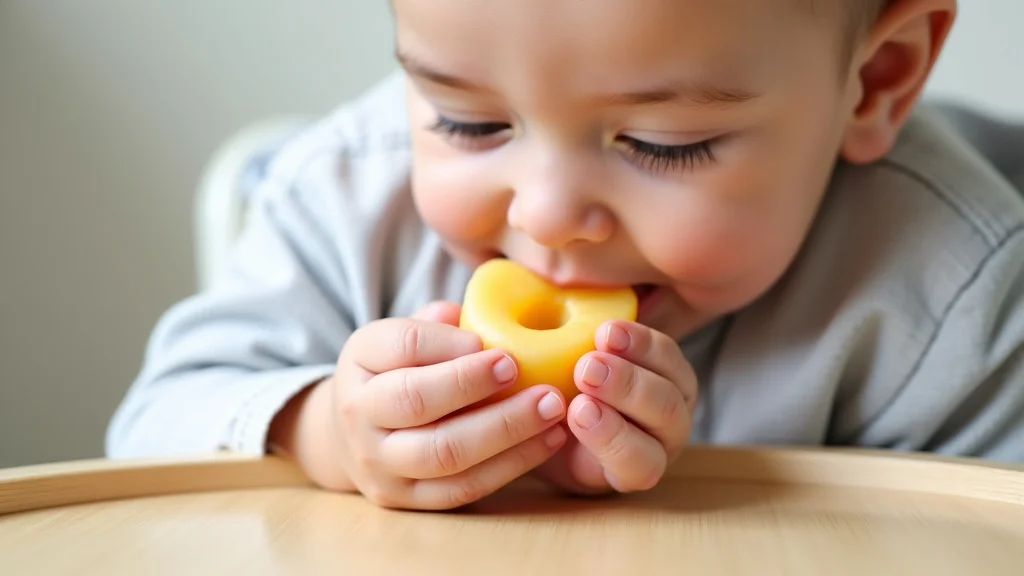
Picture this: It’s your fourth month as a parent, and a tiny, hungry human is staring up at you. You’re starting to think about baby feeding 4 months, and a million questions are racing through your mind. Is your little one ready for solid foods? What’s the best approach? This guide will help you sort through the information overload. You’ll gain a clear picture of what to expect, and you’ll find tips and advice to make this stage less overwhelming. This post explores all the details you need for baby feeding 4 months, so you can confidently nourish your baby. It will help to reduce any anxieties and improve your confidence in this stage.
Key Takeaways
- Discover the signs that your baby might be ready to start solid foods.
- Learn about the recommended first foods for a four-month-old.
- Understand the importance of introducing allergenic foods early.
- Explore different feeding methods and techniques.
- Find essential tips for a smooth transition to solid foods.
- Get answers to common questions about baby feeding.
Is My Baby Ready for Solid Foods?
Before introducing solid foods, it’s essential to assess your baby’s readiness. Starting solids too early can lead to digestive issues and allergies. Waiting too long might lead to picky eating habits and nutritional gaps. The general recommendation is to start around six months of age. However, some babies show signs of readiness earlier. Before you make any changes to their diet, it is important to always consult with your pediatrician. They can offer guidance that is specific to your baby’s needs and development.
Signs of Readiness
Your baby will signal when they are ready for solid foods. These signals typically include the ability to sit up with support, good head and neck control, and an interest in food. It’s important that your little one can also open their mouth when food comes their way and can move the food from a spoon into their mouth. They might also show interest in what you’re eating and reach for your food. Pay close attention to these signals to determine the right time to start.
- Head and Neck Control: Your baby should be able to hold their head up steadily. This is vital for safe swallowing. If your baby can sit in a high chair or on your lap with good support and control of their head, they are likely ready. This ability reduces the risk of choking.
- Sitting with Support: Babies need to sit upright to swallow food safely. This may mean your baby is able to sit in a high chair or can be supported while sitting on your lap. This position reduces the chances of choking.
- Loss of the Tongue-Thrust Reflex: Babies are born with a reflex that pushes food out of their mouths. When this reflex disappears, they can swallow food more easily. This typically happens between four and six months. If your baby pushes food out with their tongue, they might not be ready.
- Interest in Food: Does your baby watch you eat with interest? Do they reach for your food? These behaviors indicate a curiosity about food and a willingness to try something new. The desire to participate in mealtimes is a key sign of readiness.
- Opening Mouth for the Spoon: Your baby should be able to open their mouth and take food from a spoon. This is a sign of coordination and a willingness to eat. A baby who is not ready might turn their head away or refuse to open their mouth.
If your baby exhibits these signs, they might be ready to try solid foods. However, don’t rush. The timing of when you start is unique to each baby. Always discuss any changes with your pediatrician.
What if My Baby Isn’t Ready?
Not every baby is ready at the same time. If your baby doesn’t show the readiness signs, it’s okay to wait a little longer. Continue to provide breast milk or formula. Monitor your baby’s cues, and discuss your concerns with your pediatrician. Pushing a baby who isn’t ready can lead to frustration and possibly to aversion to food later on. Remember that every baby develops at their own pace.
Introducing First Foods
Once your baby is ready, choosing the right first foods is essential. The goal is to introduce single-ingredient foods that are easy to digest and low in allergenic potential. These foods provide essential nutrients and help your baby get used to new flavors and textures. The introduction should be gradual, typically starting with small amounts and increasing as your baby adjusts. Consider offering foods that are iron-rich, such as iron-fortified baby cereal, or pureed vegetables or fruits.
Recommended First Foods
- Iron-Fortified Infant Cereal: Rice cereal is often the first choice because it is easy to digest and less likely to cause an allergic reaction. Mix it with breast milk or formula to the desired consistency. Look for cereals that are enriched with iron, as babies need this nutrient.
- Pureed Vegetables: Introduce single-ingredient vegetable purees. Options such as sweet potatoes, carrots, and peas are good choices. Make sure to cook and puree the vegetables until they are smooth and free of lumps.
- Pureed Fruits: Fruits like bananas, avocados, and applesauce are great options. Be sure to choose ripe fruits and puree them. Introduce one fruit at a time to check for any allergic reactions.
- Pureed Meats: Introduce meats like chicken, turkey, or beef. Meats are high in iron and protein. Ensure the meats are cooked thoroughly and pureed to a smooth consistency for easy swallowing.
- Single-Ingredient Yogurts: Plain, unsweetened yogurt can be introduced as well. Yogurt provides probiotics, which aid in digestion. Make sure the yogurt does not contain added sugars or artificial sweeteners.
When introducing new foods, wait a few days between each new food. This allows you to check for any allergic reactions. Watch for signs such as rashes, hives, or digestive upset. If you notice any reactions, stop feeding the food and consult your pediatrician. Always consult your pediatrician regarding any dietary changes.
Foods to Avoid in the Beginning
Some foods are best avoided until your baby is older. These include honey, due to the risk of infant botulism, and cow’s milk, due to potential allergies. Also avoid large chunks of food that could pose a choking hazard. Introduce these foods later, with guidance from your pediatrician. Always prioritize safety and consult with medical professionals for specific advice.
- Honey: Avoid honey because it can contain botulism spores, which can be dangerous for infants.
- Cow’s Milk: Delay the introduction of cow’s milk until after 12 months, unless directed by your pediatrician. It can be hard to digest for babies.
- Choking Hazards: Avoid foods like whole grapes, raw carrots, and nuts. These can pose a choking hazard.
- Added Sugar and Salt: Avoid these ingredients. They are not necessary for babies and can be harmful.
Introducing Allergenic Foods Early
New guidelines suggest introducing common allergens early in your baby’s diet. This approach aims to reduce the risk of developing allergies. Start with small amounts of common allergens, such as peanuts, eggs, and dairy, around 4-6 months, unless your baby shows any signs of an allergic reaction. Be mindful of food sensitivities. Introducing allergens early and gradually can help your baby develop a tolerance.
- Peanuts: Introduce peanut butter (thinned with water or breast milk/formula) or peanut puffs.
- Eggs: Introduce fully cooked egg yolk or the whole egg.
- Dairy: Introduce small amounts of yogurt or cheese.
- Tree Nuts: Introduce nut butters.
- Soy: Introduce tofu.
Always watch for any signs of allergies. If your baby shows any signs of an allergic reaction (hives, swelling, difficulty breathing), consult a medical professional immediately.
Feeding Methods and Techniques
There are multiple ways to introduce solid foods to your baby. The best method depends on your baby’s individual needs and your preferences. Common methods include spoon-feeding, baby-led weaning, or a hybrid approach. It’s important to start with the technique that you and your baby find the most comfortable. Always make sure that mealtimes are a positive experience. This is vital for your baby’s overall relationship with food.
Spoon-Feeding
Spoon-feeding is a standard way to start solids. This method lets you control the pace and amount of food your baby eats. Use a soft-tipped spoon to avoid hurting your baby’s gums. Start with small amounts and gradually increase the portion size. It provides a structured approach. It is also good for babies who are not yet able to pick up food themselves.
- Start with Small Amounts: Begin with one to two teaspoons of food at a time.
- Use a Soft-Tipped Spoon: This prevents irritation to the baby’s gums.
- Offer One New Food at a Time: Introduce new foods one at a time. Watch for any allergic reactions.
- Be Patient: It may take multiple attempts before your baby accepts a new food.
Baby-Led Weaning
Baby-led weaning (BLW) involves offering your baby soft, finger-sized pieces of food. Your baby feeds themselves. This method lets babies explore different textures and flavors. It also encourages them to control their food intake. It can also improve the baby’s fine motor skills. This method needs close supervision to prevent choking. Always ensure that foods are soft enough to mash with your fingers. This method can also make mealtimes a lot of fun.
- Offer Soft, Finger-Sized Foods: Make sure foods are soft and easy to grasp.
- Let Baby Self-Feed: Encourage your baby to pick up and eat the food.
- Ensure Safe Eating Environment: Watch for any signs of choking and ensure your baby is always supervised.
- Offer a Variety of Foods: Provide a variety of soft foods to encourage exploration.
Hybrid Approach
A hybrid approach combines spoon-feeding and baby-led weaning. You can start with spoon-feeding purees. Then, you can gradually introduce finger foods. This approach gives you the flexibility to adjust your feeding method based on your baby’s cues. It’s a flexible way to introduce solids and can work well for many families. This method can combine the best of both worlds, providing the baby with a balance of spoon-fed nutrients and self-fed exploration.
- Start with Spoon-Feeding: Introduce purees or semi-liquid foods.
- Introduce Finger Foods Gradually: Offer soft finger foods alongside purees.
- Observe Your Baby’s Cues: Adjust the method based on your baby’s preferences.
- Balance and Flexibility: A hybrid approach gives both you and your baby the best of both worlds.
Tips for a Smooth Transition
The transition to solid foods can be a smooth process with the right approach. Focus on creating positive mealtimes, introducing foods gradually, and being patient. Your baby might not love every new food immediately. You must remain flexible and follow your baby’s cues. Remember to always seek advice from your pediatrician. This will ensure you provide optimal nutrition for your baby.
Creating Positive Mealtimes
Make mealtimes enjoyable experiences for your baby. This helps them develop a positive relationship with food. It also encourages them to try different foods. Set up a comfortable environment with minimal distractions. Always offer food with a smile and a positive attitude. Also, include your baby in family meals as much as possible. This helps them learn by watching you.
- Minimize Distractions: Turn off the TV and put away toys.
- Make It Fun: Sing songs and talk to your baby.
- Be Patient: It may take multiple tries for your baby to accept a new food.
- Model Good Eating Habits: Eat healthy foods with your baby.
Introducing Foods Gradually
Introduce new foods one at a time, waiting a few days between each new food. This allows you to watch for any allergic reactions. Start with small amounts and increase as your baby gets used to new flavors and textures. This reduces the risk of overwhelming your baby and helps you identify any potential problems early on. Consistency and patience are key.
- Introduce One Food at a Time: Start with a small portion of a single food.
- Wait a Few Days: Observe for any signs of an allergic reaction.
- Start with Small Amounts: Gradually increase the portion sizes.
- Be Consistent: Offer the food several times before giving up.
Managing Messes
Feeding a baby solids can be messy. Be prepared with bibs, splat mats, and easy-to-clean surfaces. Accept the mess as part of the process. Remember, your baby is learning. Avoid stressing about spills. Focus on making mealtimes enjoyable. Have a plan for cleaning up afterward. This will make the entire process more manageable for you.
- Use a Bib: Use a bib to protect your baby’s clothes.
- Cover the Floor: Place a splat mat under the high chair.
- Keep Cleaning Supplies Handy: Have wipes and towels ready.
- Embrace the Mess: It’s part of the learning process.
Common Myths Debunked
Myth 1: Babies don’t need solids until six months.
While six months is the recommended age to start solids for most babies, some may be ready earlier. It depends on individual cues of readiness, such as head control and interest in food. Always consult with your pediatrician. This helps determine the right time for your baby.
Myth 2: Introducing allergens early increases the risk of allergies.
Evidence suggests the opposite. Early introduction of common allergens like peanuts and eggs can actually reduce the risk of developing allergies. Begin introducing these foods in small amounts between four and six months. Always watch for signs of allergic reactions.
Myth 3: You should avoid certain foods until your baby is one year old.
Some foods, like honey, should be avoided due to the risk of infant botulism. However, other foods can be introduced earlier, depending on your baby’s readiness. Make sure all recommendations are followed by the guidance of your pediatrician.
Myth 4: Babies should always have their food pureed.
While purees are a good starting point, babies can also eat soft finger foods. Baby-led weaning lets babies explore different textures and learn to self-feed. Adapt to your baby’s needs and preferences. Start with safe, soft foods that can be mashed. These foods are a good way to begin.
Myth 5: It’s fine to add salt and sugar to baby food to make it taste better.
Babies do not need added sugar or salt in their food. These ingredients can harm their health and lead to unhealthy eating habits. Focus on offering the natural flavors of fruits and vegetables.
Frequently Asked Questions
Question: When should I introduce water to my baby?
Answer: You can start offering small amounts of water, in a sippy cup or an open cup, after you introduce solid foods, usually around six months of age. Breast milk or formula should still be your baby’s main source of fluid for the first year.
Question: How much food should my baby eat at four months?
Answer: At four months, the amount of food will vary depending on the baby’s readiness and how they react. It is best to start with small portions, such as a teaspoon of food, and gradually increase the amount based on your baby’s cues. Your baby might eat a small amount, or not at all. Let them guide you.
Question: What if my baby refuses to eat solid food?
Answer: It’s common for babies to refuse food at first. Be patient and keep trying, offering the food at different times. You can also vary the food’s texture and temperature. If your baby continues to refuse solid foods, speak with your pediatrician to make sure there are no underlying problems.
Question: What if my baby has an allergic reaction to a new food?
Answer: If you think your baby is having an allergic reaction, stop feeding the food immediately. Watch for symptoms such as rash, hives, swelling, or difficulty breathing. Contact your pediatrician or seek immediate medical help if necessary.
Question: Can I make my own baby food?
Answer: Yes, making your own baby food is a great way to control ingredients and save money. Ensure the food is pureed to a smooth consistency and avoid adding salt or sugar. Always follow food safety guidelines.
Final Thoughts
Introducing solid foods to your four-month-old is a significant step in their development. It is an exciting time for you as a parent. By understanding your baby’s cues and following the guidelines, you can make this transition a success. Remember to offer a variety of foods and focus on creating positive mealtime experiences. Your baby is unique. They will guide you as you start this process. Introduce new foods gradually, and don’t worry if your baby doesn’t take to them right away. The main goal is to introduce them to new flavors and textures. The best advice is to be patient, stay calm, and enjoy this journey with your baby. With a bit of knowledge and preparation, you’ll be able to confidently navigate baby feeding 4 months and beyond, fostering healthy eating habits and a love of food in your little one.