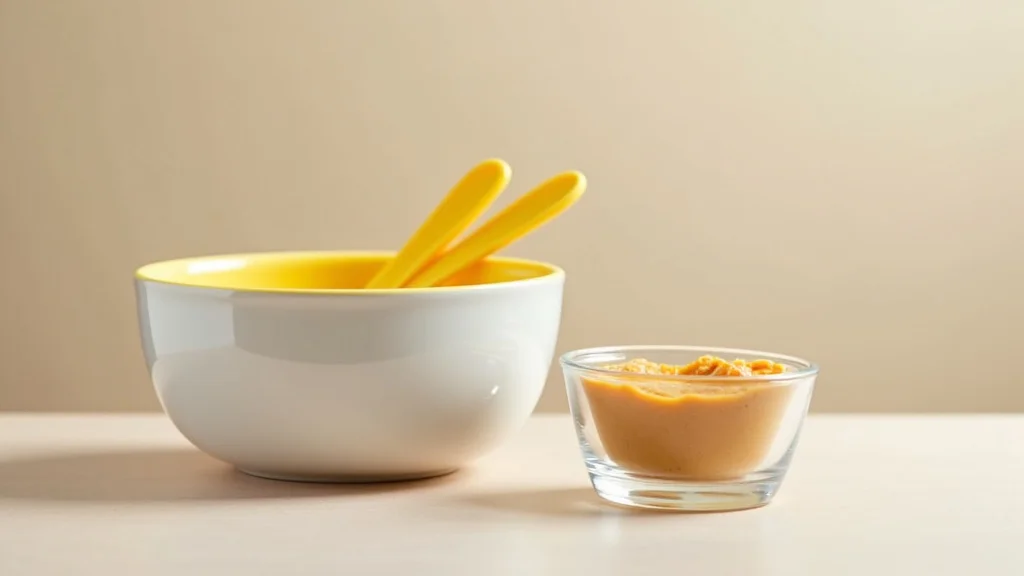
Picture this: It’s mealtime, and your little one is ready to eat. But the struggle is real when the baby feeding bowl slides across the highchair, or the food spills everywhere. Frustration, right? This guide helps you choose the perfect baby feeding bowls for your child. We’ll explore materials, features, and everything else you need to ensure smooth mealtimes. You’ll gain the knowledge to select the right bowls and reduce mealtime stress, leaving you and your baby happier and more relaxed.
Key Takeaways
- Discover different materials used for baby feeding bowls and their pros and cons.
- Understand essential features like suction bases and spill-proof designs.
- Learn how to choose the right size and shape for your baby’s age and stage.
- Find out how to clean and care for various types of baby feeding bowls.
- Get helpful tips for introducing solids and making mealtimes enjoyable.
- Explore popular brands and products to find the best options available.
Choosing the Right Baby Feeding Bowls
Selecting the ideal baby feeding bowls is essential for successful mealtimes. You’ll want bowls that are safe, durable, and easy to use. Safety is a top priority, so you’ll want to pick bowls that are free from harmful chemicals. Durability ensures that the bowls will last through the inevitable drops and throws. Finally, ease of use makes your life simpler, allowing you to focus on your baby. This section provides a detailed overview of the factors you should consider when picking out baby feeding bowls.
Material Matters: Selecting Safe and Durable Bowls
The material of your baby’s feeding bowl directly impacts its safety and longevity. Various materials are available, each with distinct advantages and disadvantages. From plastic to silicone, each option has unique features that can either help or hinder your baby’s mealtime experience. Knowing the pros and cons of these materials will help you make a decision that best suits your needs.
- Plastic Bowls: Often lightweight and affordable, plastic bowls are a common choice. However, make sure the plastic is BPA-free, PVC-free, and phthalate-free to avoid harmful chemicals.
- Silicone Bowls: Silicone bowls are a popular choice due to their flexibility and safety. They are generally considered very safe and are free from harmful chemicals. They are also incredibly durable and can withstand drops and heat.
- Stainless Steel Bowls: Stainless steel bowls offer excellent durability and resistance to wear and tear. They are free from chemicals and can withstand high temperatures.
- Bamboo Bowls: Bamboo bowls are a good eco-friendly alternative. They are made from a natural, renewable resource and often come in attractive designs.
Plastic bowls are lightweight, making them easy for little hands to handle, and they often come in various colors and designs. The affordability of plastic bowls also makes them an attractive option. However, the biggest drawback is the potential for plastic to leach chemicals like BPA (Bisphenol A) into food, especially when heated. Choose bowls specifically labeled “BPA-free,” “PVC-free,” and “phthalate-free” to ensure they are safe. Be careful about microwaving plastic bowls, as this can increase the risk of chemical leaching.
Silicone is a soft, flexible material that’s also naturally heat-resistant, meaning it can handle both hot and cold foods and liquids. Silicone bowls often come with suction bases, which help prevent spills. Additionally, silicone is easy to clean, either by hand or in the dishwasher. Silicone bowls have a longer lifespan than plastic bowls, which means less waste over time. Ensure the silicone is food-grade to maximize safety.
Stainless steel is another excellent option because it’s exceptionally durable and doesn’t leach chemicals into food. The material is also very easy to clean. Many stainless-steel bowls are dishwasher-safe, offering additional convenience for parents. They are not prone to staining or absorbing food odors, contributing to their longevity. One downside is that they don’t have the same colorful options as plastic or silicone bowls, so they might not be as visually appealing to children. Consider stainless steel as a long-lasting and safe option.
Bamboo bowls are a sustainable option. They are naturally antibacterial and biodegradable. They often feature an attractive aesthetic, with many bowls boasting colorful designs. Bamboo is also relatively lightweight, making it easy to carry around. However, bamboo bowls can be more prone to cracking or breaking compared to silicone or stainless steel. Always verify that the bamboo is treated with food-safe finishes and avoid prolonged exposure to high heat to maintain their longevity.
Key Features: Suction Bases, Spill-Proof Designs, and More
Beyond the material, specific features can significantly improve the functionality and safety of baby feeding bowls. These features can reduce spills, make mealtimes easier, and allow your baby to feed independently. They can make the feeding process less stressful for everyone involved.
- Suction Bases: Bowls with suction bases firmly stick to flat surfaces, preventing your baby from easily knocking them over.
- Spill-Proof Designs: Some bowls have lids or designs that minimize spills, which is great for travel or busy meal times.
- Divided Sections: Bowls with divided sections allow you to separate different food types, making it easier to introduce new foods and keep your baby’s meals organized.
- Temperature Indicators: Some bowls include features to indicate the food temperature, preventing accidental burns.
Suction bases are a game-changer for parents. They help keep the bowl in place, reducing spills and messes. Look for bowls with strong suction to ensure they stay put on your highchair or table. Make sure the surface is clean and dry before applying the bowl for the best suction. They help prevent the bowl from sliding, allowing the baby to practice self-feeding with fewer spills. This feature reduces stress and makes the feeding experience more pleasant.
Spill-proof designs include bowls with lids or high sides to contain food. These are especially useful when your baby is learning to self-feed. Lids can be practical when you are on the go. High-sided bowls help contain messes and make it easier for babies to scoop food. Spill-proof features make mealtimes less messy and more manageable.
Divided sections help organize a baby’s meal, providing separate compartments for different food groups. This is excellent for babies who are just starting solids and need to experience new tastes and textures. Dividing food into sections allows you to control portion sizes and introduce multiple foods at once. This design can also help children develop better food recognition. Divided sections are beneficial for both you and your baby during mealtimes.
Temperature indicators are often found on bowls and spoons to ensure food is at a safe temperature. These features typically change color or display a specific temperature reading when the food is too hot. This feature gives you peace of mind by preventing burns and ensuring safe mealtimes. Always test the food temperature yourself, even with a temperature-indicating bowl, before feeding your baby.
Size, Shape, and Age Appropriateness: Finding the Right Fit
The size and shape of the feeding bowl should be aligned with your baby’s developmental stage. A bowl that works well for a six-month-old may not be suitable for an older toddler. Considering your baby’s age and abilities is important for their comfort and safety. Selecting the right size and shape means mealtimes will be safer and less stressful.
- For Younger Babies (6-12 Months): Choose smaller, shallow bowls that are easy for your baby to reach into and scoop food.
- For Older Babies and Toddlers (12+ Months): Larger, more robust bowls with higher sides are better suited for toddlers who are learning to self-feed.
- Bowl Shape Considerations: Consider bowls with wider bases for stability and rounded edges for easy cleaning.
Younger babies are just starting to eat solid foods, so small, shallow bowls work best. These bowls allow them to easily see and reach the food. The shallow design minimizes the distance the baby must travel to scoop food. Bowls with a slightly curved edge can help the baby scoop food more effectively. Look for bowls with suction bases to minimize spills and make feeding easier.
Older babies and toddlers can handle larger bowls with higher sides to contain food more effectively. These bowls should be durable and resistant to drops and impacts. Consider bowls with sections to keep different foods separate. Bowls with lids are handy for snacks on the go. Encourage independence by choosing bowls that are easy for toddlers to hold and use independently. Bowls that are easy to clean are also a great benefit.
The shape of the bowl is another critical factor. A wider base provides more stability and reduces the chance of tipping. Rounded edges make it easier to scoop food. The design should be simple and easy to clean, minimizing the chances of food getting trapped in tight corners. Look for bowls with non-slip bases to further enhance stability. Consider the shape to align with your baby’s self-feeding skills and overall comfort.
Caring for Your Baby Feeding Bowls
Proper care and maintenance of your baby feeding bowls ensures that they are safe, hygienic, and last longer. The cleaning methods vary depending on the material, but consistent practices are essential. Understanding the specific care instructions for your chosen bowls will protect your child from germs and provide a safer eating experience.
Cleaning and Sanitizing: Methods for Different Materials
The cleaning approach for your baby’s bowls should align with the material of the bowl. Knowing the right cleaning method keeps the bowls clean and prevents the buildup of bacteria. Following these guidelines will keep your baby’s eating utensils germ-free.
- Plastic Bowls: Wash plastic bowls with warm, soapy water. Avoid harsh chemicals and abrasive scrubbers to prevent scratching. Check for any damage or discoloration and replace them if needed.
- Silicone Bowls: Silicone bowls are often dishwasher safe, but you can also wash them by hand. Silicone is very easy to clean.
- Stainless Steel Bowls: Stainless steel bowls are typically dishwasher safe. Ensure thorough drying to prevent water spots.
- Bamboo Bowls: Wash bamboo bowls by hand with warm, soapy water. Avoid soaking and excessive heat. Dry thoroughly after washing.
Plastic bowls can be easily cleaned by hand with warm, soapy water. Avoid dish soap with strong scents or chemicals, and instead, opt for mild baby-safe dish soap. A soft sponge is best to clean plastic bowls, as abrasive scrubbers can scratch the surface. It’s important to inspect plastic bowls for any signs of wear, such as cracks or discoloration, and replace them if necessary. For sanitizing, you can sometimes place them in the dishwasher, but always check the manufacturer’s instructions. Avoid excessive heat, as it can cause the plastic to warp or release chemicals.
Silicone is incredibly easy to clean. Most silicone bowls are dishwasher-safe, offering a convenient cleaning option. If washing by hand, warm soapy water is usually sufficient. To remove stubborn food stains or odors, you can boil the silicone bowl for a few minutes. Silicone’s non-porous nature prevents bacteria growth, so cleaning is less demanding than other materials. Make sure to rinse the bowls thoroughly after washing. Consider the manufacturer’s instructions, as some may advise against using certain harsh detergents.
Stainless steel bowls are durable and easy to clean. They are generally safe for the dishwasher, and this is typically the most efficient cleaning method. To prevent water spots, dry the bowls immediately after washing. While stainless steel is stain-resistant, you can remove stubborn food residue by soaking the bowl in warm, soapy water. Avoid using steel wool or abrasive cleaners, as they could scratch the surface. Stainless steel is a hygienic option for baby feeding bowls and maintains its appearance with minimal effort.
Bamboo bowls need a gentler approach to ensure their longevity. Washing by hand with warm, soapy water is the best method. Avoid submerging the bowls in water for prolonged periods, as this can affect the bamboo’s integrity. Dry the bowls thoroughly after washing to prevent moisture damage and mold. Avoid placing bamboo bowls in the dishwasher, as the high heat can damage the finish and cause the bowl to crack. Also, avoid using bamboo bowls in the microwave or oven. The best practice is to gently clean and care for them.
Storage and Maintenance Tips: Keeping Bowls in Good Condition
Proper storage and maintenance extend the life of your baby’s bowls and help maintain their hygiene. Following a few easy guidelines can keep them in great condition. These tips also improve the usability of your bowls and protect your baby’s health.
- Inspect Regularly: Check your baby’s feeding bowls for cracks, chips, or signs of wear regularly and replace them immediately.
- Proper Storage: Store the bowls in a clean, dry place to prevent the growth of mold and bacteria.
- Follow Manufacturer’s Instructions: Refer to the manufacturer’s guidelines for specific cleaning and care instructions for each type of bowl.
Regular inspection of your baby’s feeding bowls is important for safety. Cracks or chips can harbor bacteria and pose a risk of contamination. Any signs of wear, such as discoloration or warping, indicate that the bowl may no longer be safe. Replace bowls when you see any damage to guarantee your baby’s safety and health. Routine checks minimize risks and give you peace of mind.
Storing your baby’s feeding bowls in a clean, dry location is crucial for hygiene. Damp conditions can foster mold and bacteria growth, which is a significant health concern. Always ensure the bowls are thoroughly dry before storage. A well-ventilated cabinet or drawer is ideal. Separate the bowls from other items to avoid cross-contamination. This practice maintains the cleanliness and safety of the bowls.
Each type of baby feeding bowl has unique cleaning and care requirements. The manufacturer’s instructions provide details about cleaning, sanitizing, and safe usage. Always refer to these guidelines to ensure you’re caring for the bowls correctly. These instructions often include specific details on dishwasher safety, microwave safety, and proper cleaning solutions to use. Following these tips helps you maintain the integrity of the bowl and ensures the safety of your baby.
Introducing Solids and Making Mealtimes Enjoyable
Baby feeding bowls are only one piece of the mealtime puzzle. Introducing solid foods and establishing positive eating habits involves much more than just the equipment. Creating a comfortable and enjoyable experience for your baby is just as important. With the right bowls and approach, you can make this stage a positive one for your baby.
Tips for Introducing Solid Foods: Starting the Journey
The introduction of solid foods is a significant milestone in your baby’s growth. It marks a shift from milk-only to exploring new textures and tastes. By following a few easy steps, you can help your baby embrace this transition and make it a pleasurable experience.
- Start Slowly: Begin with small portions of pureed foods. Introduce one new food at a time to monitor for allergies.
- Choose the Right Foods: Start with single-ingredient purees and gradually introduce a variety of flavors and textures.
- Be Patient: It may take time for your baby to accept new foods. Don’t force them. Repeated exposure often helps.
Begin the process slowly by introducing small portions of pureed foods. This approach allows your baby to adjust to new tastes and textures without feeling overwhelmed. Introduce one new food at a time, waiting a few days to monitor for any allergic reactions or sensitivities. Signs of a reaction include rash, diarrhea, or vomiting. Start with single-ingredient purees, like cooked vegetables or fruits, to make it easier to identify problem foods. Make each meal a relaxed event, and don’t rush the process. A calm atmosphere helps your baby associate feeding with positive experiences.
The right selection of foods can greatly influence your baby’s experience with solids. Begin with single-ingredient purees, like smooth fruits and vegetables, to allow your baby to get used to new flavors. Once your baby has adjusted, you can gradually introduce a wider variety of flavors and textures. Include foods like well-cooked and mashed vegetables, fruits, and lean proteins. Remember, some foods are choking hazards and should be avoided until your baby is ready. Focus on variety to ensure your baby gets the necessary nutrients.
Be patient with your baby, as they might need multiple exposures to new foods before accepting them. It’s common for babies to reject a new food the first time. Don’t force them to eat, as this can create negative associations with mealtimes. Continue to offer the food at various intervals, and try again later. Sometimes, even small changes in presentation or texture can help. Offer a variety of foods to keep things interesting. Always create a relaxed, positive mealtime environment to foster a healthy relationship with food.
Creating Positive Mealtime Experiences: Making It Fun
Mealtimes are not only about eating; they can also be about bonding and building positive associations with food. Creating an enjoyable experience for your baby is essential for their development. The goal is to make mealtime a positive, happy time for both you and your little one.
- Make It a Social Event: Eat meals with your baby and model positive eating behaviors.
- Use Bright and Appealing Bowls: Choose bowls with fun colors and designs to attract your baby’s attention and make mealtimes more exciting.
- Be Flexible: Allow your baby to explore and play with their food. Mess is part of the experience.
Involving your baby in family meals is a great way to create a positive experience. Babies learn by watching and mimicking others. Eating meals together offers a chance for social interaction and helps establish healthy eating habits. Demonstrate good eating habits yourself by eating a variety of foods and enjoying your meal. Include your baby in the meal by talking to them, making eye contact, and showing them that eating is a pleasurable and social experience. This helps them learn to enjoy mealtime.
Use bowls with fun colors and designs to attract your baby’s attention. A visually appealing bowl can make the meal more enjoyable. Children are drawn to bright colors and playful patterns. Choose bowls with suction bases or interesting shapes. These details can transform mealtimes into an exciting adventure. Make sure your baby enjoys their mealtime environment.
Embrace the mess. Allow your baby to explore and interact with their food. Touch, feel, and play with their food is a way to learn about the different textures and consistencies. Provide a space for mess, like a highchair tray or a designated area on the floor. Allowing a baby to feed themselves, even if it results in spills, is important for developing fine motor skills and self-feeding abilities. Focus on creating a relaxed and positive environment instead of worrying about the mess.
Top Baby Feeding Bowl Brands and Products
The marketplace offers a range of excellent baby feeding bowls. The top brands focus on safety, functionality, and appealing designs. This section introduces some well-regarded brands and some of their popular products, so you can make informed decisions.
- Munchkin: Offers a wide range of products, including bowls with suction bases and divided sections. Their bowls are known for their bright colors and functional designs.
- OXO Tot: Features a range of bowls with non-slip bases and lids for convenient storage and travel. Known for their thoughtful designs and durability.
- Boon: Boon offers innovative designs, including bowls with unique shapes and features like a built-in food pusher. Known for its modern aesthetic.
- Skip Hop: Skip Hop produces a variety of feeding bowls with playful designs and practical features. The brand often incorporates fun animal themes.
Munchkin is a well-known brand, and their products are known for their practical designs and ease of use. Their bowls come in vibrant colors and are often designed to make mealtimes easier for parents and children. Munchkin offers a variety of products, including bowls with suction bases that stick to surfaces to reduce spills. Their bowls with divided sections are perfect for portion control and introducing different food groups. Many Munchkin products are BPA-free and dishwasher safe, making them a popular choice among parents.
OXO Tot is a brand that focuses on thoughtful design and functionality. Their baby feeding bowls often feature non-slip bases, which prevent spills, and lids, which help store food and make travel simpler. OXO Tot bowls are designed for durability and are often easy to clean and dishwasher safe. They are known for their user-friendly design and overall safety, making them a great option for parents looking for practical and reliable baby feeding products. The products often have features to help children develop their self-feeding skills.
Boon is a brand that always embraces innovation and modern design. Their baby feeding bowls often feature unique designs, such as bowls with a built-in food pusher that assists babies with scooping food. Their products are made from safe, durable materials and are easy to clean. Boon focuses on creating products that improve the feeding experience. Parents often appreciate the sleek, modern aesthetic and the added functionality and convenience that Boon products offer.
Skip Hop is celebrated for its playful designs, which often incorporate animals, bright colors, and kid-friendly themes. Their baby feeding bowls are designed for functionality and ease of use. They are known for their durable, BPA-free materials and the attractive appearance of their products. Skip Hop bowls often include features like suction bases and divided sections that make mealtimes easier and more enjoyable for both parents and babies. Their products create a positive and stimulating mealtime experience.
Common Myths Debunked
There are some false ideas about baby feeding bowls. Separating fact from fiction helps parents make smart choices and ensures their babies eat safely. Separating myth from reality clarifies the truth about baby feeding.
Myth 1: All plastic bowls are safe.
Reality: Not all plastic bowls are safe. Many contain harmful chemicals like BPA, PVC, and phthalates. Always look for bowls labeled “BPA-free,” “PVC-free,” and “phthalate-free” to ensure they are safe for your baby.
Myth 2: Silicone bowls are always the best choice.
Reality: While silicone is generally safe and durable, not all silicone is created equal. Always choose food-grade silicone to ensure that the bowl is safe. Also, check to confirm that the bowl is free of fillers, which can compromise its safety.
Myth 3: Stainless steel bowls are hard to clean.
Reality: Stainless steel bowls are typically very easy to clean. They are dishwasher-safe and resistant to stains and odors. Simple wiping with soap and water usually suffices. Thorough drying after washing is usually sufficient to prevent water spots.
Myth 4: Bamboo bowls are not durable enough.
Reality: Bamboo bowls can be durable if cared for properly. They are prone to damage from excessive heat or prolonged soaking. Follow the manufacturer’s instructions for washing and use, and these bowls can be long-lasting.
Myth 5: It’s fine to microwave food in any type of bowl.
Reality: Microwaving food in bowls that are not microwave-safe can lead to the release of harmful chemicals. Always verify the bowl is microwave-safe before heating food. Use the proper settings and be careful.
Frequently Asked Questions
Question: What material is the safest for baby feeding bowls?
Answer: Food-grade silicone and stainless steel are often considered the safest options due to their non-toxic nature and durability.
Question: How can I prevent my baby’s bowl from sliding during mealtimes?
Answer: Bowls with suction bases are ideal for preventing sliding. Make sure to apply them to a clean, smooth surface.
Question: Are dishwasher-safe bowls better?
Answer: Dishwasher-safe bowls are a convenience. They make cleaning simple, but always review the manufacturer’s instructions.
Question: How often should I replace my baby’s feeding bowls?
Answer: Replace bowls immediately if they show any cracks, chips, or signs of wear and tear, or every year or two.
Question: Can I use regular dish soap to clean baby bowls?
Answer: Yes, but it’s best to use mild, baby-safe dish soap to avoid any harsh chemicals or strong scents.
Final Thoughts
Selecting the right baby feeding bowls plays a significant role in creating enjoyable mealtimes. You’ve explored various materials, like silicone and stainless steel, each with unique benefits. You know to look for essential features, like suction bases and spill-proof designs, that can make your life easier and your baby’s meals less messy. This detailed review ensures you’ll be well-prepared to make an informed choice that best matches your baby’s needs. By choosing the right bowls, caring for them properly, and creating a positive mealtime experience, you can help your baby develop a healthy relationship with food. Embrace the mess, celebrate the milestones, and remember that every meal is an opportunity for learning and connection. Enjoy the feeding journey.