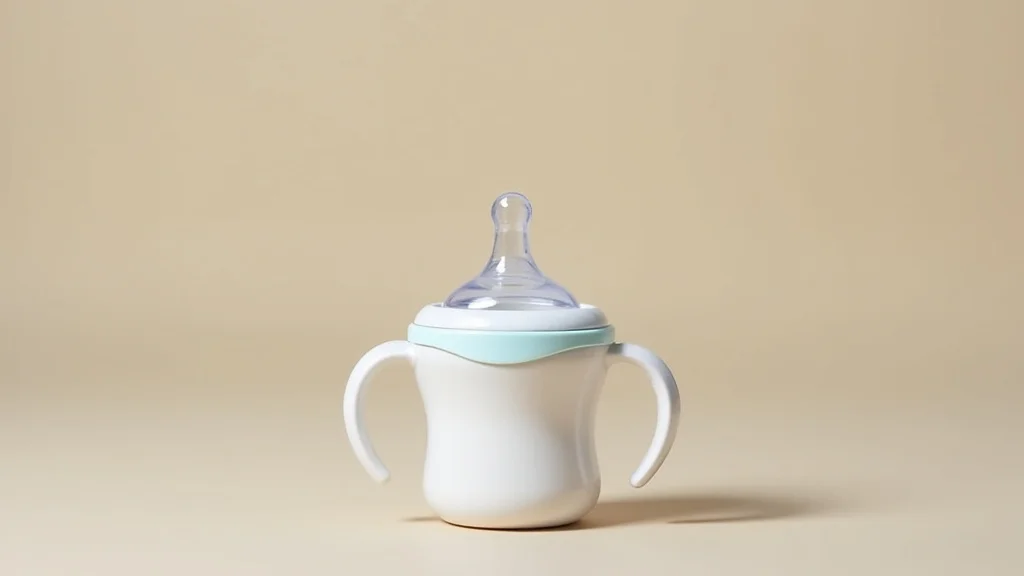
Picture this: you’re a new parent, exhausted but exhilarated, and mealtime with your little one feels like a battlefield. Spilled formula, messy purees, and a fussy baby can make feeding seem like a monumental task. The right tools can make all the difference, and that’s where the humble baby feeding cup comes into play. This guide will explore everything you need to know about choosing the perfect baby feeding cup, from different types to essential features. You’ll gain practical knowledge to simplify feeding, reduce spills, and encourage your baby’s self-feeding skills. Say goodbye to feeding frustrations and hello to smoother, happier mealtimes! Ready to discover the best baby feeding cup options?
Key Takeaways
- Explore various baby feeding cup types, including sippy cups, straw cups, and open cups.
- Discover the benefits of each cup type and their suitability for different developmental stages.
- Learn key features to consider when selecting a baby feeding cup, such as material, handle design, and spill-proof capabilities.
- Understand how to introduce a baby feeding cup and foster self-feeding skills.
- Find tips for cleaning and maintaining your baby’s feeding cups for optimal hygiene.
- Learn how to handle common challenges related to baby feeding cups.
The Basics of Baby Feeding Cups
The transition from bottle or breast to a cup is a milestone in your baby’s development. It marks the start of independence and offers a new way for your little one to explore different textures and flavors. Before starting, remember to check with your pediatrician about the best time to introduce a cup based on your baby’s readiness. Different cup types are created for various stages of development. Your choice impacts not only the mess factor but also the development of their oral and fine motor skills. Let’s explore the key types available.
Sippy Cups: A Beginner’s Choice
Sippy cups are often the first type of cup introduced to babies. They typically have a lid with a spout or a soft, flexible straw, making them easier to control and preventing spills. The primary goal of a sippy cup is to help babies learn to drink from a cup without a significant mess. They often have handles to help babies grip them and are designed to be relatively spill-proof. They usually come in various sizes and designs, and many have valves designed to regulate flow.
- Spout Design: The spout can be hard or soft. Soft spouts are gentler on gums, while hard spouts may be more durable and can encourage a more natural drinking motion.
- Handle Placement: Handles are a key feature to support independent use. Some cups have integrated handles, while others have removable ones. Well-placed handles help babies to grasp and control the cup.
- Flow Control: Some sippy cups have valves to control the flow of liquid. This can be helpful to avoid spills, but it can also make it harder for the baby to drink.
Straw Cups: Building Drinking Skills
Straw cups are an important step in supporting your baby’s developmental journey. They encourage a more advanced drinking technique than sippy cups, promoting oral motor skills that are important for speech development. Straw cups usually have a lid and an attached straw to help the baby drink from the cup. The act of sipping through a straw involves a different set of mouth muscles than using a spout, which can strengthen and improve your baby’s coordination and oral muscles.
- Straw Material: Silicone straws are a popular choice due to their flexibility and softness. They are generally gentle on gums and teeth.
- Straw Diameter: The diameter of the straw affects how easily a baby can drink. Thinner straws can be easier for babies to use.
- Sealing: Look for straw cups with a good seal to prevent leaks when the cup is not in use. Some cups have a closing mechanism or lid that seals the straw.
Open Cups: Nurturing Advanced Skills
Open cups are the most advanced type of cup for babies. They lack a spout or straw, and are designed to allow a baby to drink from them in a more natural way, like an adult. This can be a significant step in helping them improve coordination, mouth control, and learn to drink without spilling. Open cups need greater hand-eye coordination and control. They typically require a baby to sit upright and take smaller sips to prevent spills. While they may create a mess initially, they are a great tool for building advanced drinking skills.
- Size and Shape: Open cups for babies are usually small, allowing for easier handling and a smaller capacity to prevent large spills. The shape can be cylindrical or slightly flared, helping with control.
- Material: Open cups are available in various materials, like silicone, which is soft, durable, and less likely to break if dropped, and plastic, which is lighter.
- Training Sets: Several sets include open cups along with lids or training accessories to help the transition from sippy cups.
Essential Features to Consider
Selecting the right baby feeding cup goes beyond just the type; many features can impact your baby’s drinking experience and your convenience. Considering these key factors can simplify your choice and ensure it suits your baby’s age and developmental level. Understanding these features can assist you to select cups that promote your baby’s development while also improving your daily routine.
Material Matters: Safety First
The material of your baby’s feeding cup is very important. You want to choose something that’s safe, durable, and easy to clean. Common materials include plastic, silicone, and stainless steel. Different materials will have different characteristics, and they must adhere to safety standards.
- Plastic: Plastic cups are lightweight and often inexpensive. Ensure the plastic is BPA-free, PVC-free, and phthalate-free.
- Silicone: Silicone cups are very soft, flexible, and durable. They are also usually dishwasher safe and free of harmful chemicals.
- Stainless Steel: Stainless steel cups are durable and very easy to clean. They are also free of chemicals and can resist high temperatures.
Handle Design for Tiny Hands
Handles make it easier for babies to hold and control their cups. The design of the handle matters significantly. A handle that’s comfortable and sized correctly encourages your baby to hold the cup independently. Considering the handle’s shape, material, and how it’s attached is important for your baby’s growth.
- Grip: Look for handles with a non-slip grip, as they can prevent your baby’s hand from slipping, promoting self-feeding.
- Shape: The ideal shape for handles should be easy for tiny hands to grasp. Contoured handles fit the shape of the hand.
- Placement: Position the handles so that they are easy to reach and grip.
Spill-Proof Abilities: Reducing Messes
Spill-proof features are crucial, particularly during the early stages when babies are learning to drink from a cup. Spill-proof design includes lids, valves, and seals designed to prevent leaks and spills. While you can’t guarantee a 100% spill-proof experience, choosing the right features will help contain messes and keep your baby and the surroundings cleaner.
- Valves: Valves that regulate flow help manage how much liquid comes out and reduce spills.
- Lid Design: Secure lids help to keep liquid inside when the cup is tipped or dropped.
- Seals: Proper sealing around the lid and the straw or spout prevents leakage.
Ease of Cleaning and Maintenance
Daily cleaning is crucial for maintaining your baby’s health and hygiene. This involves selecting cups that are easy to clean, whether by hand or in the dishwasher. Think about how the cup’s design affects cleaning and the materials used. Ease of maintenance ensures that the cups remain in good condition and provide safe drinking experiences for your child.
- Dishwasher Safe: Check whether the cup is dishwasher safe. Dishwasher-safe cups make clean up easier, saving you time and effort.
- Removable Parts: Cups with several parts may be harder to clean. Look for designs that can be taken apart easily, making sure that there is no milk residue left in any crevices.
- Material Durability: Cups made from durable materials like silicone or stainless steel usually last longer and are easier to keep clean.
Introducing the Baby Feeding Cup
Introducing a baby feeding cup is a developmental milestone that calls for patience and careful preparation. A gentle introduction, combined with a positive environment, supports your baby’s progress and helps build confidence. The process should be gradual and child-centered, encouraging your little one to explore and develop at their own pace.
Timing: When to Start
Deciding the correct time to start using a cup with your baby is crucial. The appropriate moment depends on your baby’s individual development and readiness. Consider factors like age, motor skills, and interest in self-feeding. Consulting with your pediatrician can provide guidance and help determine the right time for your baby.
- Age and Development: Babies will show signs of readiness, such as being able to sit up independently and showing interest in food or drinks.
- Motor Skills: Your baby will need to have some hand-eye coordination to bring the cup to their mouth.
- Recommendations: Many experts suggest introducing a cup around six months of age, in conjunction with introducing solid foods.
Step-by-Step Introduction
Introducing a cup gradually helps your baby get used to it without stress. Starting slowly makes the transition easier for both you and your baby. This stepwise method will provide your baby the opportunity to develop new skills and build confidence in using the cup.
- Start with Water: Begin by giving your baby water in the cup. This allows them to get used to the cup without pressure.
- Offer at Meals: Incorporate the cup into meal times when your baby is used to being fed and is already in a good mood.
- Demonstrate: Show your baby how to hold and use the cup. Model drinking to encourage them.
- Encourage Independence: Let your baby try to hold the cup independently. Praise their efforts, even if there are spills.
- Stay Patient: Learning to use a cup takes time. It’s important to remain patient and persistent.
Encouraging Self-Feeding
Promoting self-feeding is an important part of your baby’s development. This is about providing the chance for your baby to develop essential motor skills and develop their self-reliance. Setting up a supportive environment and remaining patient can encourage self-feeding and help your baby take charge of mealtimes.
- Positive Reinforcement: Praise your baby when they try to use the cup, regardless of spills. Positive encouragement helps to build confidence.
- Make it Fun: Turn mealtimes into a fun experience. Babies are more likely to participate if the experience is enjoyable.
- Offer Various Cups: Provide different cup types to your baby, allowing them to explore and discover which ones they prefer.
Cleaning and Maintaining Your Baby’s Feeding Cup
Keeping baby feeding cups clean is important for your child’s health. You need to follow cleaning procedures to remove bacteria and ensure the cups last. Regular cleaning, sanitizing, and proper storage are necessary to maintain hygiene.
Daily Cleaning Routine
Make sure to clean the cups regularly after each usage. This can involve rinsing them with warm water and soap. You must wash them thoroughly to get rid of food residue and bacteria. A well-established cleaning routine ensures safety and cleanliness.
- Rinse Immediately: After each use, rinse the cup under warm water to remove any food residue.
- Wash with Soap and Water: Use warm water and mild dish soap to wash all components of the cup.
- Inspect: Check for any damage.
Sanitizing for Extra Protection
Sanitizing your baby’s cups adds an extra layer of protection to remove germs. Sanitizing should be done regularly, especially if your baby is sick or has a weaker immune system. Several methods, such as boiling, steam sterilizing, and using UV sterilizers, can be used to thoroughly clean the cups.
- Boiling: Boil the cup parts in water for 5 minutes. This kills most bacteria.
- Steam Sterilizers: Use a steam sterilizer, which is designed to kill germs with steam.
- UV Sterilizers: UV sterilizers use ultraviolet light to eliminate germs, providing a convenient and quick sanitizing method.
Storage and Handling
Proper storage and handling of the cups play a vital role in preserving cleanliness and avoiding contamination. Store cups in a dry, clean area. Make sure to inspect them regularly and replace them if there is wear and tear or any damage. Proper handling and storage can increase the lifespan of your baby’s feeding cups.
- Dry Storage: Store the cups in a dry, clean location. Make sure that the cup parts are completely dry before putting them away.
- Air Circulation: Allow air circulation to keep the cups clean and prevent mold.
- Regular Inspection: Inspect the cups regularly for cracks or damage. Discard and replace cups if there are signs of wear.
Common Myths Debunked
Myth 1: Sippy Cups are Always the Best
Many parents believe sippy cups are the best choice for all babies. While sippy cups can be a good starting point, they are not always the ideal long-term solution. They can hinder the development of proper oral motor skills if used for too long. Variety in cup types can enhance your baby’s mouth and jaw muscles.
Myth 2: All Spill-Proof Cups are Safe
Parents may think that all spill-proof cups are created equal, which is not true. Some spill-proof cups may require extra suction, possibly impacting the natural development of your baby’s oral skills. Choosing a cup with a good seal will help reduce messes, but not at the expense of your baby’s growth. Always check that the cup’s design does not compromise ease of drinking.
Myth 3: Straw Cups Cause Tooth Decay
There’s a concern that straw cups contribute to tooth decay. This myth is based on the idea that prolonged exposure to sugary drinks in any cup will increase the risk of tooth decay. The type of liquid and frequency of consumption play a bigger part in tooth decay than the cup type. Maintaining good oral hygiene habits is more important.
Myth 4: Open Cups are Only for Older Babies
Many people believe open cups are only for older babies and that they are too messy for younger ones. In fact, you can begin introducing an open cup around six months, alongside other feeding methods. Initially, there might be spills, but the benefits for the development of oral motor skills can be considerable. Using small, easy-to-manage cups can simplify the process.
Myth 5: All Plastics Are Safe
There is a widespread notion that all plastics used in baby feeding cups are safe. In actuality, the safety of plastic cups depends on the type of plastic. Some plastics can have harmful chemicals like BPA and phthalates, which can leach into liquids. Selecting cups made from BPA-free, food-grade plastics or silicone is important.
Frequently Asked Questions
Question: At what age should I introduce a cup?
Answer: It’s generally recommended to introduce a cup around six months, when your baby starts solids. Always consult your pediatrician for guidance.
Question: How do I choose the right cup type for my baby?
Answer: Consider your baby’s developmental stage. Start with sippy cups and move to straw cups, and finally open cups, as they mature. Consider your baby’s preferences too.
Question: How do I clean and sanitize baby cups?
Answer: Rinse the cups with warm water and soap after each use. Sanitizing can involve boiling, using a steam sterilizer, or a UV sterilizer.
Question: What materials are best for baby cups?
Answer: BPA-free plastic, silicone, and stainless steel are popular choices, due to their safety and durability.
Question: How can I encourage my baby to use the cup?
Answer: Demonstrate how to use the cup, offer positive reinforcement, and turn mealtime into a fun experience. Be patient, and let your baby set their own pace.
Final Thoughts
Choosing the right baby feeding cup can appear challenging, but a carefully considered choice can significantly improve your baby’s feeding experience. From sippy cups to open cups, each type helps in your baby’s development, aiding in skill-building and independence. Remember that the best cup is one that matches your baby’s needs, age, and progress. Your goal is to choose a cup that’s safe, easy to clean, and promotes healthy eating practices. By taking the time to learn about cup types, materials, and features, you can make an informed choice that makes mealtimes smoother and more enjoyable. So, explore the different options, consider your baby’s specific needs, and enjoy the ride! Your little one will gain confidence and joy in their independence. Cheers to happy, mess-free mealtimes!