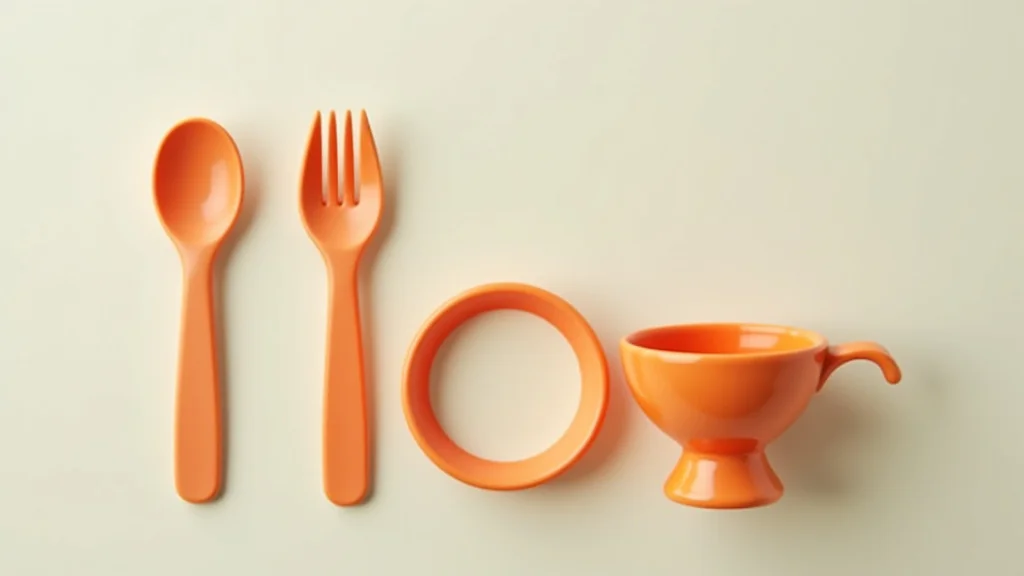
Picture this: It’s mealtime, and your little one is eagerly awaiting their first taste of solid food. You’ve prepared a nutritious meal, but getting it from the bowl to your baby’s mouth can feel like a feat of engineering! That’s where the right baby feeding utensils become invaluable. This guide will walk you through everything you need to know about choosing, using, and cleaning these essential tools. You’ll learn how to pick the best options for your child’s age and stage, and discover practical tips to make mealtimes smoother and more enjoyable. By the end, you’ll be well-equipped to make informed decisions, reducing frustration and creating positive feeding experiences. Get ready to explore the baby feeding utensils landscape!
Key Takeaways
- Learn about the different types of baby feeding utensils and their uses.
- Discover how to choose utensils based on your baby’s age and development.
- Understand the importance of utensil materials, like silicone and plastic.
- Find out how to properly clean and sanitize baby feeding utensils.
- Get tips on making mealtimes safer and more successful.
- Explore common mistakes to avoid when using baby feeding utensils.
Choosing the Right Baby Feeding Utensils
The journey into solid foods is an exciting milestone for both you and your baby. However, it’s also a time of exploration, learning, and sometimes, a little mess! Selecting the right baby feeding utensils is a significant part of setting your little one up for mealtime success. From spoons and forks to bowls and sippy cups, the choices can feel overwhelming. This section breaks down the essential types of utensils and provides guidance to help you make informed decisions, ensuring a positive and safe experience.
Essential Utensil Types
Various baby feeding utensils serve different purposes, each helping to facilitate the introduction of solid foods and the development of your baby’s self-feeding skills. Understanding the function of each tool will help you make the best choices for your child’s needs.
- Baby Spoons: These are probably the first utensils you will introduce. Spoons are used for feeding purees, cereals, and other soft foods. Look for shallow bowls and soft, rounded edges to protect your baby’s gums and developing teeth.
- Baby Forks: Once your baby gets the hang of eating with a spoon, forks can be introduced. Forks help to pick up small pieces of food. They can be used for softer, cooked vegetables, and pasta. They should have rounded tines to prevent injury.
- Bowls: Bowls are useful for containing food during mealtimes. They can be made from various materials, including plastic, silicone, and ceramic. Look for bowls with non-slip bases to prevent spills, especially when your baby starts to self-feed.
- Sippy Cups and Training Cups: These are important tools for teaching your baby to drink from a cup. Sippy cups usually have a spout or straw, helping to prevent spills. Training cups have an open top and encourage babies to drink like adults.
- Food Pouches and Squeeze Feeders: These are helpful for serving purees and smoothies, particularly when you’re on the go. Food pouches offer a convenient way to feed babies, while squeeze feeders allow you to control the portion size and reduce mess.
Baby spoons come in different sizes, shapes, and materials. The most common are made of silicone or plastic, although some stainless steel options are also available. The key is to choose spoons designed specifically for babies, as they will have features to help you safely feed your little one. Soft-tipped spoons are best for early stages.
When introducing a fork, it’s essential to supervise your baby closely to prevent any choking hazards. Forks designed for babies will have blunt, rounded tines that are gentle on their gums but still allow them to pick up food. They can start using them at around 9 months, or as they show readiness.
Bowls with suction bases are a helpful solution for younger babies who are learning to eat independently. These bowls stick to the highchair or table, minimizing the chance of food being flung around. Make sure the bowls are easy to clean and dishwasher-safe for convenient maintenance.
Sippy cups can assist in the transition from bottle-feeding to cup-drinking. Look for sippy cups that are easy to hold, with a valve to control the flow of liquid. Training cups are a great way to improve hand-eye coordination. Regular practice using a cup is important for good oral development.
Food pouches offer a convenient way to feed babies, while squeeze feeders allow you to control the portion size and reduce mess. They are perfect for travel or for a quick snack at home. Make sure you choose pouches and feeders made from safe, BPA-free materials. Clean them thoroughly after each use.
Age and Stage Considerations
The type of baby feeding utensils you choose will depend on your baby’s age and stage of development. As your baby grows, so will their abilities. This means you’ll need to adjust the utensils accordingly. This section provides an overview of the stages of food introduction and which utensils are ideal for each one.
- 6-9 Months: Introduction to Solids: At this stage, your baby is just beginning to explore solid foods. Focus on introducing single-ingredient purees, like pureed carrots or sweet potatoes.
- 9-12 Months: Developing Self-Feeding Skills: Babies in this age group are ready to start practicing self-feeding. Introduce chunkier textures and finger foods.
- 12+ Months: Independence and Variety: Your baby is now a pro at eating! They’re ready for a broader range of foods and can handle more complex textures and flavors.
During this stage, the most important utensils are soft-tipped spoons. Look for small spoons that are easy for you to handle and soft enough to protect your baby’s gums. Bowls with a non-slip base are also helpful. For drinks, start with a sippy cup, introducing it gradually alongside breastfeeding or formula feeding.
At this point, you can introduce a baby fork, especially for cooked vegetables or soft fruits. Choose a fork with rounded tines to avoid injury. Bowls with a suction base are very useful to help your baby eat independently. Continue using a sippy cup for liquids.
By this stage, you might transition to utensils designed for older toddlers, with slightly larger spoons and forks. Encourage self-feeding with bowls and plates that are easy for them to manage. Begin experimenting with open cups under supervision. At this stage, they can have a wider variety of foods.
Materials and Safety for Baby Feeding Utensils
When it comes to baby feeding utensils, safety should always be the top priority. The materials used to make these utensils should be non-toxic and free from harmful chemicals. Understanding the materials, their benefits, and the safety features can make mealtime a safer and more enjoyable experience for everyone.
Material Matters
The materials used to make baby utensils can have a big impact on their safety, durability, and ease of cleaning. Consider these common materials.
- Silicone: This is a popular choice due to its flexibility, durability, and safety. Silicone is free from BPA, phthalates, and other harmful chemicals. It is also heat-resistant, dishwasher-safe, and soft on a baby’s gums.
- Plastic: Plastic utensils are also common, but be sure to choose BPA-free options. While some plastics are safe, others can leach harmful chemicals when heated or exposed to food.
- Stainless Steel: This is a durable, safe option, especially for spoons and forks. Stainless steel is resistant to rust, staining, and bacteria.
- Bamboo: Bamboo utensils are becoming more popular. They’re often seen as an eco-friendly choice, as bamboo is a sustainable resource.
Silicone is an excellent choice for spoons, bowls, and plates. It can withstand high temperatures, making it a good choice for both hot and cold foods. Its flexibility means that the utensils won’t break or chip easily. This material is easy to clean, making it a parent’s best friend. Many parents appreciate the softness of the material, especially for teething babies.
Always verify that the plastic utensils you choose are labeled as BPA-free, phthalate-free, and lead-free. Plastic utensils are often lightweight and come in a wide range of colors and designs. Make sure to inspect plastic utensils regularly for any signs of damage, such as scratches or cracks, as these can harbor bacteria.
Stainless steel utensils are great, especially as babies start getting older and need more robust tools. Choose stainless steel that is food-grade and free from any sharp edges. Stainless steel is often dishwasher-safe and can last for a long time. Stainless steel spoons and forks provide a great alternative to plastic and silicone.
Bamboo utensils are usually biodegradable, which is a big plus for the environment. Make sure the bamboo is sealed with a food-safe finish to prevent any splinters. Bamboo utensils are usually hand-wash only, which means a little more work for you. Always inspect them for damage or any signs of wear and tear.
Safety Features to Look For
Along with the material, other safety features of baby feeding utensils can help prevent accidents and make mealtimes safer.
- Rounded Edges and Soft Tips: Spoons and forks should have rounded edges and soft tips to protect the baby’s gums and delicate mouth. This feature is especially important for younger babies, who are just learning to eat solid foods.
- Non-Slip Bases: Bowls and plates with non-slip bases help to prevent spills and keep food in place, especially when babies are learning to self-feed. Suction bases work well for this purpose.
- Choke-Proof Designs: Sippy cups and food pouches should be designed to prevent choking hazards. Make sure that sippy cups have valves that regulate the flow of liquid and prevent large amounts of liquid from being consumed too quickly.
- Easy-to-Grip Handles: Utensils with easy-to-grip handles help your baby develop fine motor skills and make self-feeding more successful. Ergonomic handles are best.
Avoid any utensils with sharp edges or pointed tines. These can cause injury to your baby. Utensils with rounded edges are designed to be gentle and safe.
Non-slip bases are a huge advantage as your baby gains independence. They reduce mess and make mealtimes less stressful. Suction bases help secure the bowl or plate to the highchair or table, preventing it from being overturned.
Food pouches should come with caps that are too large for babies to swallow. Regularly inspect sippy cups and pouches for any tears or damage that could create choking hazards. Always supervise your baby during mealtimes.
Choose utensils with handles that fit comfortably in your baby’s hand. This will enable them to hold the utensils correctly. Utensils that are easier to grasp encourage self-feeding and help your baby to develop coordination.
Cleaning and Sanitizing Your Baby’s Utensils
Keeping baby feeding utensils clean and sanitized is important for your baby’s health. Babies have weaker immune systems and are more susceptible to infections. Proper cleaning and sanitization help eliminate germs, protecting your baby from illness. Implementing the right hygiene practices will give you peace of mind and help keep your baby healthy and happy.
Cleaning Steps
Follow these steps to ensure that your baby’s utensils are thoroughly cleaned and safe to use.
- Rinse Immediately After Use: Before washing, rinse the utensils to remove any food residue. This prevents food from drying and sticking to the utensils.
- Wash with Warm, Soapy Water: Use warm, soapy water and wash each utensil individually. Ensure you reach all the nooks and crannies where food can hide.
- Use a Bottle Brush: If you have any hard-to-reach areas, such as in sippy cup valves, use a bottle brush. A good quality brush can assist in dislodging food particles.
- Rinse Thoroughly: Rinse each utensil well with clear water to remove all traces of soap. Make sure no soap residue remains.
Rinsing immediately after use makes the cleaning process much easier. It also helps prevent the buildup of bacteria, which can occur if food is left on the utensils for a long period.
A mild dish soap is suitable. Avoid using harsh chemicals or abrasive cleaners, which can damage the utensils. Be thorough and ensure that every surface is cleaned.
A bottle brush can help scrub the inner surfaces of sippy cups and other utensils. Make sure to rinse the brush thoroughly after each use.
This will prevent your baby from ingesting any soap when they eat. Thorough rinsing is essential.
Sanitizing Methods
Sanitizing ensures the destruction of any remaining bacteria. Choose the method that best fits your lifestyle.
- Boiling: Boil the utensils in water for about 5 minutes. This is a simple and effective method for sanitization. Make sure the utensils are heat-resistant.
- Steam Sterilizers: Steam sterilizers are made to sterilize baby bottles and utensils. They use hot steam to kill germs. Follow the manufacturer’s instructions.
- Dishwashers: Many baby utensils are dishwasher-safe. Use the hot water cycle and make sure the utensils are thoroughly dried.
- UV Sterilizers: Some parents use UV sterilizers. These use ultraviolet light to kill bacteria and viruses. They’re a good option.
Boiling is a great way to disinfect utensils. Ensure the utensils are completely submerged in the water. After boiling, allow them to cool and dry completely before use.
Steam sterilizers are convenient and can sterilize multiple items at once. They’re quick and easy to use and very effective. Ensure utensils are placed in the sterilizer correctly.
Dishwashers can be very convenient. Always check the manufacturer’s recommendations for your utensils to make sure they are dishwasher-safe. Use a high-temperature setting to sanitize effectively.
UV sterilizers offer a convenient method of sanitizing. Make sure you select a product designed for baby utensils. Follow the manufacturer’s guidelines for proper use.
Making Mealtimes Safe and Successful
Creating safe and positive mealtimes for your baby goes beyond the baby feeding utensils you choose. It’s about creating an environment that supports your child’s development, encourages healthy eating habits, and ensures their safety. Consider these practical tips.
Creating a Safe Mealtime Environment
A safe environment means taking extra care to prevent choking hazards and provide a comfortable place for your baby to eat.
- Always Supervise: Always supervise your baby while they are eating. This is the single most important safety rule.
- Choose Appropriate Seating: Use a highchair that is stable and fits your baby properly. Ensure that the highchair has a safety harness to keep your baby secure.
- Prepare Food Properly: Cut food into small pieces to prevent choking. Avoid foods that pose a high choking hazard.
- Be Aware of Allergies: Introduce new foods one at a time to check for any allergic reactions. Be ready to identify and handle allergy symptoms.
Even if your baby is eating finger foods, they should be monitored to make sure they are chewing and swallowing their food correctly. Stay close and be alert for any signs of choking.
Make sure the highchair is clean and in good condition. Use a highchair with a tray that is easy to clean. Adjust the tray so that it is at a comfortable distance for your baby to reach the food.
Avoid giving your baby whole grapes, hard candies, popcorn, or raw carrots. These foods are difficult for babies to chew and swallow. If you are serving round fruits, slice them appropriately.
Watch for signs of an allergic reaction. Symptoms include hives, swelling, or difficulty breathing. If you suspect an allergy, consult with your pediatrician. Familiarize yourself with allergy management. Have an epinephrine auto-injector on hand if needed.
Strategies for Encouraging Success
Making mealtimes successful is about creating an environment that fosters healthy eating habits and supports the baby’s growth and development. These practices can help.
- Establish a Routine: Create a regular meal schedule to help your baby develop healthy eating habits. Consistent meal times can help regulate your baby’s appetite and make mealtimes predictable.
- Make Mealtimes Positive: Keep mealtimes happy and relaxed. Avoid forcing your baby to eat. If your baby refuses a food, don’t worry – try again later.
- Offer a Variety of Foods: Offer a variety of foods with different flavors, colors, and textures. This exposes your baby to a wide range of nutrients.
- Be Patient: Learning to eat solid foods takes time. Be patient, and don’t get discouraged if your baby doesn’t eat a lot at first.
Try to eat meals at roughly the same times each day. Having a routine helps your baby know when to expect food. This can reduce mealtime stress for both you and your baby.
Avoid pressure. Encourage your baby to explore and try new foods. Make mealtimes a fun experience. Positive experiences can promote a healthy relationship with food.
Include different types of fruits, vegetables, grains, and proteins. Don’t be discouraged if your baby doesn’t like a food at first. Keep offering new foods over time. Your baby’s tastes will change.
Self-feeding takes practice and it’s okay if it gets messy. Support your baby as they learn. It’s a process, and your baby will get better with each meal.
Common Myths Debunked
Frequently Asked Questions
Question: When should I start using baby utensils?
Answer: You can start using baby utensils when you introduce solid foods, typically around 6 months of age, or as your baby shows signs of readiness.
Question: Is it necessary to sterilize baby utensils?
Answer: Yes, especially in the early months. Sterilizing baby utensils helps to kill bacteria and germs, protecting your baby’s delicate immune system.
Question: Are all plastics safe for baby utensils?
Answer: No, not all plastics are safe. Always choose BPA-free, phthalate-free, and lead-free plastic utensils.
Question: How often should I replace baby utensils?
Answer: Replace baby utensils when they show signs of wear and tear, such as cracks, scratches, or if they’re damaged. It is generally advisable to replace utensils every few months, or as needed.
Question: Is it okay to use regular spoons and forks for my baby?
Answer: It’s best to use baby-specific utensils, as they are designed with safety in mind. They usually have rounded edges and are designed for small mouths.
Final Thoughts
Choosing the right baby feeding utensils is a fundamental step in supporting your baby’s transition to solid foods. From selecting safe materials and understanding utensil types to mastering cleaning and sanitation techniques, you now have the tools to create a positive and safe feeding experience. Remember to prioritize safety by always supervising mealtimes and selecting utensils appropriate for your baby’s age and development stage. Embrace the mess, celebrate the small victories, and stay patient – it’s all a part of the wonderful journey of introducing your child to the world of food. With the right utensils and a little guidance, mealtimes can become enjoyable and rewarding. Embrace the opportunity to nourish your baby and foster healthy eating habits. Your care and attention will support your baby’s healthy growth.