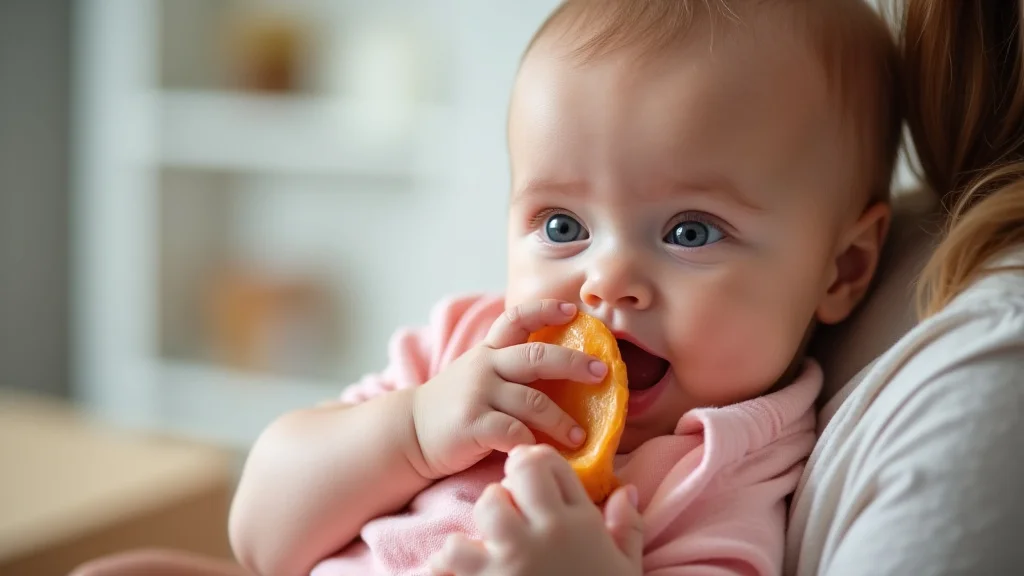
Remember those early days of sleepless nights and endless feedings? Well, here you are, and your little one is growing! Around six months, many babies are ready to begin their exciting food exploration adventure. This marks a significant milestone in your baby’s development and can seem a bit overwhelming. This post aims to guide you through the process of feeding 6 month baby, making it easier and enjoyable for both you and your little one. You’ll gain a deeper knowledge of appropriate foods, portion sizes, and safety precautions. This guide is crafted to offer all the important information, improving your experience and building confidence.
Key Takeaways
- Learn the best first foods to introduce to your six-month-old.
- Discover appropriate portion sizes and feeding schedules for this age.
- Understand how to recognize and address potential food allergies.
- Get tips on creating a positive and enjoyable mealtime experience.
- Explore the essential safety guidelines regarding choking hazards.
- Gain a better awareness of how to support your baby’s growth.
Getting Started With Solid Foods
When is your baby truly ready to start eating solids? Typically, around six months old, when babies demonstrate several signs of readiness. They should be able to sit up with support, have good head and neck control, and show an interest in the food on your plate. Other signals include opening their mouth when a spoon approaches and leaning forward. It’s important to remember that every baby is different. Some babies may be ready a bit earlier or later. Always consult your pediatrician before you start feeding 6 month baby.
Signs of Readiness for Solids
Before introducing solids, watch for these signs. This will ensure your baby is prepared for the new textures and processes of eating.
- Good Head and Neck Control: The baby can hold their head steady.
- Sitting With Support: The baby can sit upright in a high chair or with support.
- Showing Interest in Food: The baby watches you eat and seems intrigued by food.
- Loss of the Tongue-Thrust Reflex: The baby no longer automatically pushes food out of their mouth.
Solid food introduction should only happen after the baby has adequate head and neck control. This is important to allow the baby to sit safely while eating and to swallow effectively. Without this control, the baby may struggle to swallow, and this increases the risk of choking. This skill typically develops around six months, and the baby will likely improve this ability over time.
Sitting upright is important for safe swallowing and preventing choking. Babies need to be able to sit upright to focus on eating and to swallow efficiently. Adequate sitting position gives them the stability needed to take food safely. If your baby cannot sit up in a high chair or with support, they are not ready for solids yet.
Babies show interest in food by watching parents and other family members eat, reaching for food, and opening their mouths when a spoon approaches. These signals show that your baby is interested in trying new flavors and textures. This natural curiosity is a good sign that they’re ready to start exploring solids. This interest makes introducing solids easier and more enjoyable.
The tongue-thrust reflex is a natural reflex in young babies that pushes food out of their mouths to prevent choking. As the baby develops, this reflex disappears, which is one more indication they are ready for solid food. As this reflex fades, it becomes easier for babies to keep food in their mouths and swallow it. If a baby still has a strong tongue-thrust reflex, they will push the food out, and this means they are not ready.
Best First Foods
Choosing the right first foods is essential for your baby’s health. Start with single-ingredient foods to help you identify any potential allergies. As the baby progresses, you can start introducing a wider variety of foods. Stick to foods that are soft, easily mashed, and have a mild flavor.
Recommended First Foods
Here are some of the best first foods for feeding 6 month baby, along with their nutritional benefits.
- Iron-Fortified Infant Cereal: Provides iron, an essential nutrient for development.
- Pureed Vegetables: Offers essential vitamins and minerals.
- Pureed Fruits: Adds natural sweetness and vitamins.
- Pureed Meats: Provides protein and iron.
Iron-fortified infant cereals are great first foods because they’re easy to digest and packed with nutrients. They’re often enriched with iron, which is important because babies’ iron stores from birth begin to deplete around six months. Cereal can be mixed with breast milk or formula to a smooth consistency. Start with a small amount and gradually increase the portion.
Pureed vegetables like sweet potatoes, carrots, and squash are rich sources of vitamins and fiber. These veggies are naturally sweet and easy to digest, making them appealing to babies. It can be made by steaming or boiling the vegetables until they are soft and then pureeing them until smooth. They are good to start to ensure they are getting a wide array of different vitamins and minerals.
Fruits such as bananas, avocados, and pears are good choices because they are easy to puree or mash. They contain important vitamins and antioxidants, as well as being tasty. Start with simple fruits like bananas, which are easy to prepare. Avoid fruits with pits or seeds, and ensure they are ripe and soft. Introduce one fruit at a time to check for any adverse reactions.
Pureed meats like chicken, beef, or turkey are excellent sources of protein and iron. The protein is essential for growth, and iron helps prevent anemia. Meats need to be cooked thoroughly and pureed until they have a smooth consistency. Pureed meat is important to provide nutrients and contribute to your baby’s development. Always prepare the meat in a safe and sanitary environment.
Feeding Schedules and Portion Sizes
Creating a consistent meal schedule and understanding appropriate portion sizes are important. This helps babies develop healthy eating habits. The schedule should be flexible, considering your baby’s cues. The portion sizes should increase as the baby grows and their appetite increases.
Sample Feeding Schedule
This is a sample schedule. You can adjust the times based on your baby’s needs and your daily routine.
- Morning (around 7-8 AM): Breast milk or formula.
- Mid-Morning (around 9-10 AM): Iron-fortified cereal with fruit puree.
- Afternoon (around 12-1 PM): Breast milk or formula.
- Late Afternoon (around 3-4 PM): Vegetable puree.
- Evening (around 6-7 PM): Breast milk or formula, or potentially a small amount of meat puree.
At the beginning of the day, feeding your baby with breast milk or formula is crucial, and it gives the baby the energy that they will need to start their day. This meal also provides essential nutrients that support the baby’s overall health and well-being. It should be a relaxed time to enjoy feeding.
This is a good time to introduce solid foods like iron-fortified cereal mixed with a fruit puree. Start with a small amount, like 1-2 tablespoons. It should be a relaxed mealtime, and you can monitor how the baby reacts to the new foods.
Around lunchtime, you can feed your baby with breast milk or formula. This offers nutrients and hydration. It is also good for a baby to have the chance to bond and relax while eating.
This meal could include vegetable purees, like sweet potatoes or carrots. Offer 1-2 tablespoons. Watch for any signs of allergies or intolerances, and give your baby time to develop a taste.
For the evening meal, continue with breast milk or formula before bedtime. If your baby is ready, you can offer a small portion of meat puree. It should be a relaxing time. This is also a good time to observe any reactions after the food is eaten.
Portion Size Guidelines
Portion sizes increase as the baby’s appetite increases. It is important to remember that babies have small stomachs. Here are some general guidelines:
- Cereal: Start with 1-2 tablespoons.
- Vegetable or Fruit Purees: 1-2 tablespoons.
- Meat Purees: 1-2 tablespoons.
The baby should begin with a small portion of cereal that can be mixed with breast milk or formula. As they get used to the cereal, gradually increase the portion size. This helps in the easy introduction to solid foods. The amount will depend on your baby’s hunger and tolerance.
Begin with a small amount of vegetable or fruit purees. Offer only one type of puree at a time to monitor how the baby reacts. The baby will slowly increase the quantity they consume, as the baby’s appetite increases.
When you start introducing meat purees, start with a small amount. Gradually increase the quantity to fit your baby’s appetite. Always ensure the meat is thoroughly cooked. This is a very important part of feeding 6 month baby.
Allergy Awareness and Food Introduction
Knowing how to recognize and deal with food allergies is very important when feeding 6 month baby. Introducing new foods one at a time helps you identify possible allergies. Be aware of the signs of an allergic reaction and how to react to it. It is also important to introduce allergenic foods early. This may reduce the risk of developing allergies later.
Identifying and Managing Allergies
It is important to watch for signs of a food allergy after introducing a new food.
- Symptoms of an allergic reaction: These include hives, rash, swelling, and difficulty breathing.
- How to introduce new foods: Introduce one new food at a time, waiting 2-3 days between each.
- Common allergenic foods: Include peanuts, eggs, milk, soy, and wheat.
If you observe any of these symptoms, stop feeding your baby the new food and consult with your pediatrician immediately. Some other signs could include vomiting, diarrhea, or changes in behavior. Pay close attention to your baby after introducing a new food, and be prepared to take quick action.
This helps you identify whether any reactions are linked to a specific food. Start with small amounts of the new food and watch for any signs of an allergic reaction. Keep a food diary to note which foods were eaten and any reactions. It is a good way to see what may be causing issues.
Introduce these foods early to reduce the risk of allergy development. Introduce these foods one at a time and watch your baby’s response. Always talk to your pediatrician if you have any concerns or a family history of allergies. Getting medical advice is crucial.
Mealtime Environment and Positive Feeding Habits
Creating a positive and enjoyable environment during mealtimes is important. The way you prepare the food, the time you spend with the baby, and how you react to the baby all affect their eating habits. Positive feeding habits are built during these early months. This sets the scene for healthy eating habits in the years to come.
Creating a Positive Experience
Here are some tips for creating a positive mealtime experience.
- Use a High Chair: Provides a safe and comfortable space for eating.
- Make Mealtimes Social: Eat with your baby to model good eating behaviors.
- Be Patient: Babies may need time to get used to new flavors and textures.
- Avoid Distractions: Turn off the TV and minimize distractions.
Using a high chair ensures the baby can sit upright, which helps with swallowing and reduces the risk of choking. This gives the baby the best position to eat. Choose a high chair that is safe and stable, with a harness to keep the baby securely seated. Always supervise your baby while they are eating.
When you eat with your baby, you show them how to eat and create a social environment. Babies learn by watching others. This helps make mealtimes a good time. Eating together encourages positive associations with food and mealtime. This simple act promotes good eating habits and provides a pleasant experience.
Allow your baby to explore different foods at their own pace, and it is a good idea to let the baby try new foods repeatedly. This helps them develop positive feelings toward food. Do not force them to eat if they do not want to. Patience builds trust and helps babies build a positive relationship with food.
Distractions can make it hard for the baby to focus on eating and can lead to overeating. Remove any distractions, like toys or screens. Create a calm environment for the baby to enjoy their meals. This helps them stay focused on eating and developing good eating habits.
Safety Precautions and Choking Hazards
Safety is a priority when you start feeding 6 month baby solid foods. It is important to know about choking hazards and how to prevent choking. Being aware of potential dangers and taking precautions will keep your baby safe. Safe food preparation, careful food choices, and close supervision will create a safe eating environment.
Preventing Choking Hazards
Some foods pose a higher risk of choking. Here’s how to prevent this.
- Avoid Whole Grapes and Cherry Tomatoes: Cut them into small pieces.
- Steer Clear of Hard or Raw Vegetables: Cook them until soft before serving.
- Avoid Nuts and Seeds: These are a choking risk.
- Supervise Your Baby: Always watch your baby while they are eating.
Whole grapes and cherry tomatoes are round and can easily block a baby’s airway. The best option is to cut them into small, bite-sized pieces to prevent choking. This makes it easier for babies to eat the pieces and prevents choking. It also helps to prevent a choking hazard.
Raw vegetables, like carrots or celery, can be very hard and hard to chew. Cook the vegetables until they are soft and easy to mash. Cooking the vegetables makes them easier to chew and swallow. Always cut them into small pieces.
Nuts and seeds are not easy to chew, and the small pieces can be a choking hazard. Wait to introduce them until the baby is older. You can offer them in safe forms like nut butters. Check with your pediatrician.
Supervise your baby to prevent choking hazards. Always be present while the baby is eating, and pay close attention to any signs of distress. Always make sure the baby is sitting up straight, and never leave the baby unattended while eating.
Supporting Healthy Growth and Development
Introducing solid foods helps your baby grow and develop. Proper nutrition is crucial for your baby’s physical and mental development. This period is the baby’s chance to explore and learn new things. A balanced diet, consistent feeding practices, and regular checkups are key to support the baby’s health.
Nutrition for Development
Here’s how solid foods support development.
- Providing Essential Nutrients: Iron, zinc, and other vitamins are vital for growth.
- Supporting Cognitive Development: Nutrients like iron and choline support brain development.
- Establishing Healthy Eating Habits: Introducing a variety of foods can help prevent picky eating.
Solid foods give babies essential nutrients that they may not get from breast milk or formula. Iron helps prevent anemia. Zinc supports immune function and growth. Include a wide variety of foods in the baby’s diet to ensure they get the nutrients. Proper nutrition helps the baby grow. Solid foods help support overall health.
The foods they eat can affect brain development. Iron and choline, found in foods like meat and eggs, are important for cognitive development. Providing the right nutrients during this period helps the baby’s brain. A balanced diet and good nutrition help the baby’s brain grow.
Early exposure to a variety of tastes and textures can influence how the baby will eat later in life. Introduce different foods to avoid food aversions. Creating good eating habits now will create a healthy lifestyle. Introducing new flavors encourages the baby to try different foods.
Common Myths Debunked
Frequently Asked Questions
Question: When should I start feeding my baby solid foods?
Answer: Most babies are ready to begin solids around six months old, when they show signs of readiness like good head control, sitting up with support, and showing interest in food.
Question: What are the best first foods for my baby?
Answer: Good first foods include iron-fortified infant cereal, pureed vegetables, pureed fruits, and pureed meats.
Question: How much should I feed my six-month-old baby?
Answer: Start with small portions, such as 1-2 tablespoons of cereal, vegetable puree, or meat puree, and increase as the baby shows interest and their appetite grows.
Question: How can I prevent choking hazards?
Answer: Avoid whole grapes, cut cherry tomatoes into small pieces, cook hard vegetables until soft, and avoid nuts and seeds. Always supervise your baby while they eat.
Question: What if my baby has an allergic reaction to a new food?
Answer: Stop feeding the food immediately, and watch for symptoms like hives, rash, or difficulty breathing. If any of these symptoms appear, contact your pediatrician right away.
Final Thoughts
Beginning the journey of feeding 6 month baby is an exciting milestone. By knowing the best first foods, how much to feed, and how to deal with allergies, you are well-equipped to support your baby’s growth. Remember that patience is key. Your baby will learn to eat at their own pace, and every new food is an adventure. Don’t be afraid to experiment with new foods and flavors. Enjoy this special time, and watch as your baby discovers the joy of food. If you have concerns, never hesitate to seek advice from your pediatrician or a qualified healthcare professional. Embrace the experiences and delight in the satisfaction that comes from watching your baby thrive and grow.