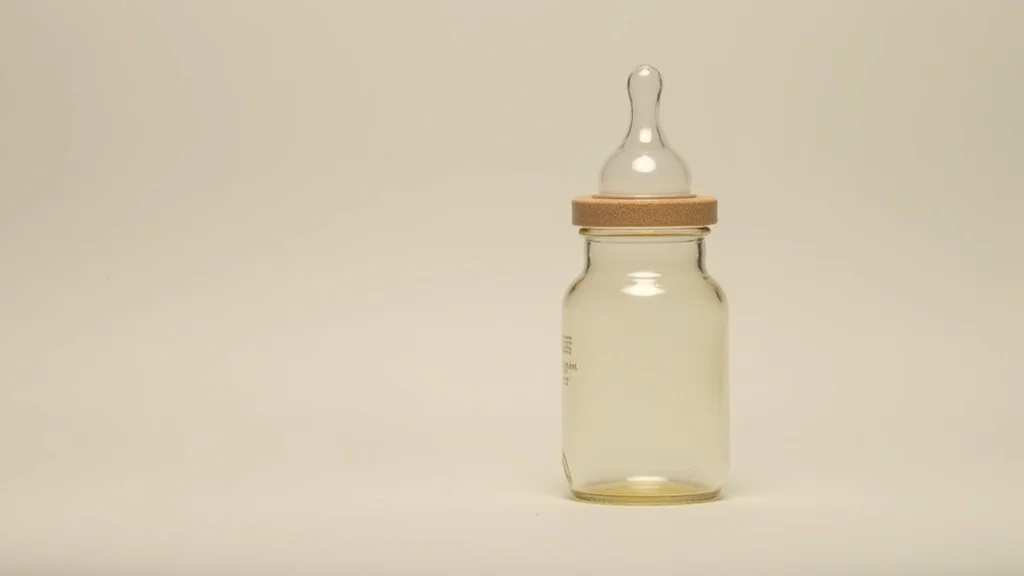
Picture this: It’s 3 AM, and your little one is screaming. You reach for a baby feeding glass bottle, hoping to soothe them. But which one should you choose? With so many options, the decision can feel overwhelming. This guide is here to help! We’ll explore the advantages of baby feeding glass bottles, covering everything from materials and safety features to cleaning and maintenance. You’ll learn how to pick the ideal bottle for your baby and your lifestyle, ensuring a safe and positive feeding experience. By the end, you’ll feel confident in your choice, which will reduce anxiety and give you peace of mind.
Key Takeaways
- Understand the benefits of choosing a glass bottle for your baby.
- Learn about the different types of glass used in bottle production.
- Explore safety features and how to ensure your baby’s bottle is safe.
- Discover the best methods for cleaning and sterilizing glass bottles.
- Compare glass bottles with other materials like plastic and silicone.
- Find out how to choose the right size and shape bottle for your baby.
Why Choose a Baby Feeding Glass Bottle?
Choosing the right bottle for your baby can feel like a major decision. You want something safe, easy to use, and good for your little one. Glass bottles have been around for a long time, and they offer several advantages. Many parents favor them for their cleanliness and environmental benefits. This section will discuss those advantages and other aspects of making your decision.
The Benefits of Using Glass Bottles
Baby feeding glass bottles have many advantages over plastic or silicone options. One major benefit is the material itself. Glass is naturally non-porous, meaning it doesn’t absorb odors or flavors. This is great because it means your baby’s milk or formula won’t pick up any weird tastes from the bottle. Also, glass is very easy to clean and sterilize thoroughly. Unlike plastic, glass doesn’t degrade over time, meaning it won’t leach chemicals into your baby’s food. Glass also tends to be very durable, able to withstand high temperatures that are needed for sterilization. Choosing glass offers a straightforward and reassuring solution for feeding your baby.
- Purity and Cleanliness: Glass is inert, meaning it won’t react with the contents of the bottle. This maintains the purity of the milk or formula.
- Easy Cleaning: Glass is easy to clean and sanitize. You can boil it, run it through the dishwasher, or sterilize it without worrying about damage.
- Eco-Friendly: Glass is a sustainable option. It can be recycled infinitely, reducing your environmental footprint.
- Durability: Glass bottles are long-lasting and won’t scratch or become cloudy over time, unlike some plastic bottles.
- Temperature Stability: Glass can handle a wide range of temperatures. You can safely heat or cool the bottle without worrying about it warping or releasing chemicals.
A recent study found that glass bottles are the most effective at preventing bacterial growth compared to plastic bottles. This is significant for reducing the risk of illness. (Source: Journal of Pediatric Health).
Types of Glass Used in Baby Bottles
Not all glass is created equal. When it comes to baby feeding glass bottles, the type of glass matters. Understanding the different kinds will help you make a better choice. The main types you’ll encounter are soda-lime glass and borosilicate glass. Each offers unique properties that affect its durability, heat resistance, and overall safety for your baby. Being aware of these distinctions empowers you to choose the best bottle to suit your needs.
- Soda-Lime Glass: This is the most common type of glass. It’s affordable and widely available.
- Borosilicate Glass: Known for its heat resistance, it can handle rapid temperature changes.
- Tempered Glass: This is glass that has been treated to increase its strength and resistance to breakage.
Borosilicate glass is particularly resistant to thermal shock, meaning it’s less likely to shatter if you pour hot liquid into a cold bottle. Soda-lime glass is durable but may be more prone to cracking with extreme temperature changes.
Safety Features to Look For
Safety is the most important thing when choosing a baby feeding glass bottle. Several features can make these bottles safer for your baby. Look for bottles with a protective silicone sleeve. The sleeve acts as a cushion if the bottle is dropped, and can also help with grip. Another factor is the shape of the bottle. A wider base is less likely to tip over. Also consider the nipple itself. Ensure that it’s made of a safe material and has appropriate flow rates. These details will help to create a safe feeding experience.
- Protective Sleeves: These sleeves provide a layer of protection if the bottle is dropped.
- Anti-Colic Systems: Look for bottles that have vents or other systems that help reduce air intake.
- BPA-Free Materials: Ensure that all parts of the bottle are made from BPA-free materials.
- Nipple Flow Rates: Choose nipples with the appropriate flow rate for your baby’s age and feeding needs.
Consider the shape of the bottle. A wide-necked bottle is often easier to clean and fill than a narrow-necked one. (Source: American Academy of Pediatrics).
Cleaning and Sterilizing Your Baby Feeding Glass Bottle
Keeping baby feeding glass bottles clean is crucial for your baby’s health. Proper cleaning and sterilization will remove any germs that can make your baby sick. The good news is that glass bottles are very easy to clean and sterilize. However, there is a right way to do it. The following information explains all you need to know about the cleaning process, providing simple steps to keep your bottles germ-free.
Cleaning Procedures
Cleaning a glass bottle starts with a thorough wash. Here is a simple step-by-step method. First, immediately after each use, rinse the bottle with cold water. This helps prevent milk residue from sticking to the glass. Next, wash all bottle parts with hot, soapy water. Use a bottle brush to scrub the inside of the bottle and the nipple. It’s important to pay extra attention to any crevices or hard-to-reach areas. Then, rinse everything well under running water, removing all traces of soap. Regular and thorough cleaning keeps your bottles safe for your baby.
- Rinse Immediately: Rinse the bottle with cold water after each feeding to prevent milk from sticking.
- Wash with Soap and Water: Use hot, soapy water and a bottle brush to thoroughly clean all parts.
- Use a Bottle Brush: A bottle brush helps to reach all areas of the bottle.
- Rinse Thoroughly: Rinse all parts to remove soap residue.
Sterilization Techniques
Sterilizing your baby feeding glass bottles is an important step in making sure they are free of bacteria. There are several ways to sterilize glass bottles. The first, and most common, is boiling. Place the bottle parts in a pot of boiling water for about five minutes. Another method is using a steam sterilizer, which is designed specifically for baby bottles. Finally, you can use the dishwasher if it has a sanitize setting. Each of these methods are effective. The most important thing is to do it regularly, especially during your baby’s first few months.
- Boiling: Place bottle parts in boiling water for 5 minutes.
- Steam Sterilizers: Use a steam sterilizer designed for baby bottles.
- Dishwashers: Use the sanitize setting on your dishwasher.
Remember that sterilization is especially important for newborns. As your baby gets older, you can reduce the frequency of sterilization. (Source: Centers for Disease Control and Prevention).
Glass Bottles vs. Other Materials
When choosing a bottle, you’ll see a lot of options. Besides glass, there are plastic and silicone bottles, each with different features. Choosing the right material for your baby feeding glass bottle comes down to personal preferences, safety concerns, and lifestyle considerations. By exploring these differences, you can find the best choice for you.
Comparing Glass, Plastic, and Silicone
Understanding the differences between glass, plastic, and silicone bottles can help with the decision-making process. Glass bottles are valued for their purity and cleanliness. They’re easy to clean and don’t leach chemicals. Plastic bottles are often lightweight and less likely to break. They can be more affordable and available in various shapes. Silicone bottles are flexible and offer a soft feel. However, they may require more frequent replacement. By comparing these materials, you can choose the best option for your baby’s needs.
| Material | Pros | Cons |
|---|---|---|
| Glass | Non-porous, easy to clean, eco-friendly | Can break, heavier |
| Plastic | Lightweight, affordable, durable | Can leach chemicals, may stain |
| Silicone | Soft, flexible, durable | Can be prone to staining, requires replacement |
Considering Your Needs
Your choice depends on your lifestyle. If you travel a lot, plastic or silicone might be more practical because they are lighter and less prone to breaking. If you’re concerned about chemicals and want an easy-to-clean solution, glass is a great choice. If you prefer a soft, flexible material, silicone could be the best fit. Think about how you’ll be using the bottle and what features are most important to you.
- Travel: If you travel often, consider a lighter bottle.
- Durability: If durability is a priority, glass is often a good choice.
- Cleaning: If easy cleaning is important, consider materials that do not absorb flavors.
Choosing the Right Baby Feeding Glass Bottle for Your Baby
Selecting the right baby feeding glass bottle involves considering many factors, but you’ll find that the best fit will depend on your baby’s specific needs. Size, shape, and nipple flow are all important. Think about your baby’s age, feeding habits, and any specific health considerations. Understanding these points helps parents select the best and safest feeding options.
Bottle Size and Shape
The size and shape of the bottle play a role in your baby’s comfort and feeding experience. The bottle size depends on your baby’s age and how much they eat at each feeding. The shape affects how easy it is to hold and how well it fits in a bottle warmer. Wide-neck bottles are generally easier to clean and fill, while angled bottles can help reduce air intake. Select the size and shape that work best for you and your baby.
- Small Bottles (2-4 oz): Best for newborns and early feeding stages.
- Medium Bottles (4-8 oz): Suitable for older babies who eat more.
- Wide-Neck Bottles: Easier to clean and fill.
- Angled Bottles: Help to reduce air intake.
Nipple Flow Rates
The nipple flow rate is crucial to a comfortable feeding experience. The flow rate determines how quickly milk or formula comes out. A flow rate that’s too fast can cause your baby to choke or take in too much air. A flow rate that’s too slow can make them frustrated and tired. As your baby grows, you’ll need to move up to different flow rates. This ensures they can get enough to eat without problems.
- Newborn Nipples: Slow flow, for babies 0-3 months.
- Slow-Flow Nipples: For babies 3-6 months.
- Medium-Flow Nipples: For babies 6+ months.
- Fast-Flow Nipples: For older babies who eat a lot.
Common Myths Debunked
There are many myths about baby feeding glass bottles. Clearing up these misconceptions can lead to better decision-making for parents. Here are some of the most common myths and the truth behind them.
Myth 1: Glass Bottles Are Too Fragile
Many people believe that glass bottles are very easy to break. While glass can break, modern glass bottles are often made from tempered or borosilicate glass. This increases durability and reduces the chance of breaking. Protective sleeves further protect glass bottles from damage. With a little care, a glass bottle can be a reliable option.
Myth 2: All Glass Bottles Contain Harmful Chemicals
This is not true. Glass itself is an inert material, meaning it doesn’t contain any harmful chemicals that can leach into food. Unlike some plastics, glass won’t release chemicals, even when heated. This makes it a safe option for feeding your baby.
Myth 3: Glass Bottles Are Harder to Clean
Many believe that glass bottles are more challenging to clean than plastic or silicone bottles. In reality, glass is very easy to clean. Glass is non-porous. This means it doesn’t absorb odors or colors. This makes it easier to remove residue and germs compared to some other materials. Proper cleaning and sterilization will keep your bottles safe.
Myth 4: Glass Bottles Are Not Eco-Friendly
It’s important to remember that glass is a sustainable material. Glass can be recycled an infinite number of times. By choosing a glass bottle, you’re making a choice that supports sustainability and reduces your environmental footprint. The long lifespan of glass bottles further contributes to their eco-friendliness.
Myth 5: All Baby Bottles Are the Same
The truth is, not all baby bottles are created equal. The type of material, the shape, and the nipple design can make a big difference in your baby’s feeding experience. Choosing the right bottle size, nipple flow, and safety features are important to ensure your baby’s comfort and safety. Taking the time to select the right bottle can make feeding time easier and more pleasant.
Frequently Asked Questions
Question: Are glass bottles safe for newborns?
Answer: Yes, glass bottles are safe for newborns. They are made from non-toxic materials and can be easily sterilized.
Question: How often should I replace my baby’s glass bottle?
Answer: Glass bottles are very durable. You may need to replace the nipples more frequently than the bottle itself, based on their use and the material.
Question: Can I put a glass bottle in the freezer?
Answer: While glass bottles can handle low temperatures, it’s best to avoid extreme temperature changes that can cause cracking or breakage. Rapid cooling may cause stress on the glass.
Question: How do I know if my glass bottle is broken?
Answer: Inspect your bottle regularly for any cracks or chips. If you see any damage, discard the bottle immediately.
Question: Are there any special cleaning instructions for glass bottles?
Answer: Wash all parts of the bottle with soap and water after each use. You can sterilize the bottles by boiling them or using a steam sterilizer.
Final Thoughts
Choosing a baby feeding glass bottle can be rewarding. This guide covered the benefits of glass bottles, various types of glass, safety features, and how to keep your bottles clean. It also looked at the best way to choose the right size and shape for your baby. Armed with this information, you can make an informed decision and select a bottle that is safe, effective, and beneficial. Always be sure to check the bottles regularly for signs of damage or wear and tear. Your attention to these aspects will ensure a safe and positive experience. With a little care and attention, your baby will have a safe feeding experience.