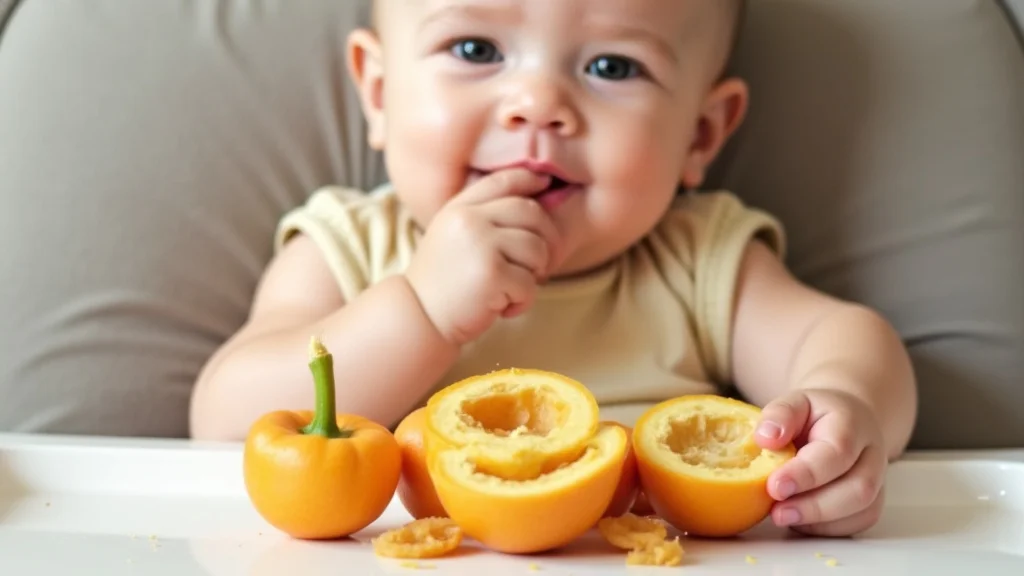
The first birthday! A milestone marked with cake, laughter, and often, a little bit of food flying everywhere. But beyond the sugary treats, your little one is entering a new phase of baby feeding. At 12 months, your child is ready to experience a wider variety of tastes and textures. This post will help you make the transition from purees and soft foods to family meals a smooth and enjoyable one. You’ll gain valuable insights into appropriate food choices, portion sizes, and strategies for fostering healthy eating habits. Get ready to explore the exciting world of baby feeding 12 months foods!
Key Takeaways
- Discover the best foods to introduce to your baby at 12 months.
- Learn about safe food preparation methods to prevent choking hazards.
- Understand appropriate portion sizes for a one-year-old.
- Explore tips for introducing new foods and managing picky eating.
- Find out how to incorporate family meals into your baby’s diet.
- Gain insights into potential food allergies and intolerances.
Expanding Your Baby’s Diet: Foods to Introduce
Congratulations, your baby is now a year old! This is a pivotal time in their development, particularly concerning their nutrition. They are quickly progressing from a diet largely consisting of breast milk or formula and purees, to exploring a wider range of solid foods. The goal is to provide a balanced diet that supports their rapid growth and development. This includes offering a variety of food groups to ensure they are getting all the essential vitamins and minerals.
Protein Power: Meats, Poultry, and Alternatives
Protein is a building block for growing bodies. At 12 months, your baby can start eating a wider variety of protein-rich foods. Think about adding small portions of well-cooked meats, poultry, and fish. It’s crucial to ensure these are cooked through and cut into small, easy-to-manage pieces to prevent choking hazards. Remember, babies at this age need about 10-15 grams of protein daily to support their growth.
- Well-Cooked Meats: Offer small, shredded pieces of beef, pork, or lamb. These provide iron, a vital nutrient for brain development and preventing anemia.
- Poultry: Chicken and turkey are excellent choices, providing lean protein and essential amino acids.
- Fish: Introduce fish like salmon and cod, which are rich in omega-3 fatty acids, crucial for brain development.
- Vegetarian Options: Incorporate lentils, beans, and tofu as alternative protein sources.
Beef, pork, and lamb are excellent sources of iron, zinc, and B vitamins. Iron deficiency can lead to fatigue and impaired cognitive function. Ensure the meats are cooked thoroughly and cut into tiny pieces to avoid any choking risks. Consider offering these options in a shredded form to increase manageability for your baby.
Chicken and turkey are also good sources of protein, plus they contain niacin and selenium, both vital for cell function. Again, make sure the poultry is fully cooked and shredded into easily manageable sizes. Start with small amounts to see how your baby reacts, and then gradually increase the portion as they get used to the food.
Fish, particularly fatty fish like salmon, is full of omega-3 fatty acids, which play a key role in brain development and eye health. Always remove the bones and ensure the fish is cooked until it flakes easily. Monitor your baby for any allergic reactions, which can include rash, hives, or swelling. Serve fish no more than twice per week due to potential mercury levels.
If you’re looking for vegetarian or vegan options, lentils, beans, and tofu are great choices. These foods are packed with protein, fiber, and various vitamins and minerals. Make sure lentils and beans are well-cooked and soft to avoid any choking dangers. Tofu should be firm, cooked, and cut into small pieces.
Fruits and Vegetables: Colorful and Nutritious
Fruits and vegetables are packed with vitamins, minerals, and fiber, and they’re essential for your baby’s overall health. At 12 months, babies can start eating a wider range of fruits and vegetables in various forms. This includes cooked, mashed, or cut into small, soft pieces. Introducing a variety of these foods early helps establish healthy eating habits for life. Aim for a mix of colors to ensure a diverse range of nutrients.
- Soft Fruits: Bananas, avocado, and ripe peaches are great starter fruits.
- Cooked Vegetables: Steamed carrots, sweet potatoes, and green beans provide essential nutrients.
- Cut Vegetables: Cucumber slices and steamed broccoli florets.
- Variety and Color: Offer a range of colorful fruits and vegetables to ensure diverse nutrient intake.
Bananas provide potassium and fiber, avocados are full of healthy fats, and peaches offer vitamins A and C. These fruits are typically soft and easy for babies to chew and swallow. Consider mashing or pureeing them if your baby is still adjusting to textures. Always make sure the fruit is ripe and easy to handle.
Carrots, sweet potatoes, and green beans, when steamed, become soft and easy for babies to eat. They are rich in vitamins, especially vitamin A and fiber. Cut them into small, manageable pieces. Avoid adding salt or seasonings to your baby’s food to let them appreciate the natural flavors.
Offering these foods in small, easy-to-manage slices or florets, once steamed or cooked, helps encourage self-feeding. Cucumber, if the skin is peeled, can be a refreshing and easy food. Steaming broccoli will make it soft and easier to chew. Always watch your baby while they are eating and ensure they are chewing properly.
A varied diet is a healthy diet. Include fruits and vegetables of different colors, as each one provides a unique set of nutrients. Think red bell peppers (vitamin C), dark leafy greens (iron and calcium), and oranges (vitamin C). This promotes a wider range of vitamins and minerals and helps your baby to enjoy a wide variety of flavors and textures.
Grains and Starches: Energy Boosters
Grains and starches provide the energy your baby needs for their active days. At 12 months, you can start incorporating more complex carbohydrates into their diet. Choose whole grains whenever possible, as they offer more fiber and nutrients than processed grains. Always prepare grains and starches in a way that’s easy for your baby to eat and digest. Consider adding them to meals to ensure they get the required energy intake.
- Cooked Cereals: Oatmeal and other whole-grain cereals are great choices.
- Whole-Wheat Pasta: Offer cooked pasta cut into small pieces.
- Bread: Whole-wheat bread, cut into small pieces, can be a good snack.
- Potatoes: Mashed or baked potatoes provide a good source of energy.
Oatmeal and other whole-grain cereals provide fiber and energy. Prepare them with breast milk, formula, or water, and ensure they are soft. These cereals are often fortified with iron, which is important for your baby’s growth and development. Check the label for added sugars, aiming for cereals that have minimal or no added sugars.
Whole-wheat pasta provides fiber and B vitamins. Cook the pasta until it’s soft and cut it into smaller, manageable pieces to prevent choking. Pasta can be combined with vegetables and a small amount of sauce, making it a versatile option. Always check the ingredients for any allergens.
Whole-wheat bread can offer fiber and energy, but it should be offered in moderation. Cut it into small, easy-to-handle pieces or offer it as soft toast. Avoid giving your baby large pieces of bread that could pose a choking hazard. Choose brands with low sodium and minimal added sugars.
Mashed or baked potatoes are a great source of carbohydrates and energy. Ensure that you mash them properly or bake them until soft. You can offer them plain or add a little butter or milk for flavor. Avoid adding too much salt. Sweet potatoes can also be an excellent alternative, offering additional nutrients.
Foods to Avoid or Limit at 12 Months
While the goal is to expand your baby’s diet, certain foods should be approached with caution or avoided altogether during the first year. It’s vital to be aware of potential allergens, choking hazards, and foods that are high in sodium, sugar, or unhealthy fats. Keeping these considerations in mind will help to keep your baby safe and healthy.
- Honey: Avoid honey due to the risk of infant botulism.
- Choking Hazards: Hard candies, whole grapes, and raw carrots should be avoided.
- Added Sugar and Salt: Minimize the intake of foods with added sugars and salt.
- Unpasteurized Foods: Avoid unpasteurized dairy products and juices.
Honey can contain Clostridium botulinum spores, which can cause infant botulism. This is a severe illness that can affect a baby’s nervous system. It’s always safer to avoid honey until after your baby’s first birthday.
Certain foods pose a significant choking risk. These include hard candies, whole grapes, raw carrots, nuts, seeds, popcorn, and chunks of raw vegetables. Cut grapes in halves or quarters, and shred carrots before serving. Always be watchful while your baby is eating to prevent potential choking.
Foods high in added sugars and salt are not beneficial for infants. These can contribute to unhealthy eating habits and potentially increase the risk of chronic diseases later in life. Be conscious of hidden sugars and salt in processed foods and opt for whole, unprocessed options.
Unpasteurized foods can contain harmful bacteria. This includes raw milk, unpasteurized cheese, and certain juices. Always choose pasteurized options to reduce the risk of foodborne illnesses.
Portion Sizes and Feeding Schedules
Understanding appropriate portion sizes and establishing a regular feeding schedule is essential. It supports your baby’s healthy growth and prevents overfeeding or undereating. Babies’ appetites vary, and knowing how much your baby needs and when will help you create a balanced eating plan. Pay attention to your baby’s cues and adjust accordingly.
- Portion Guidelines: Start with small portions and allow your baby to self-regulate.
- Feeding Frequency: Aim for 3 meals and 1-2 snacks per day.
- Mealtime Routine: Establish a regular mealtime routine to encourage healthy eating habits.
- Self-Feeding Skills: Encourage self-feeding with finger foods.
There are no strict rules for portion sizes, as every baby is different. Start with small portions of each food and let your baby decide how much they want to eat. Watch for cues of fullness, such as turning their head away, closing their mouth, or pushing the spoon away. Generally, a good starting point is about 1-4 tablespoons of each food group per meal, but this can vary depending on the baby.
A typical feeding schedule involves three meals and one or two snacks throughout the day. This can be adapted based on your baby’s needs and your family’s routine. Spacing out meals and snacks helps regulate their appetite. Snacks can include fruits, vegetables, yogurt, or whole-grain crackers. Always offer water with meals and snacks.
Consistency is key. Eating meals and snacks at roughly the same times each day can help your baby develop a regular appetite. This also helps them know what to expect and can make mealtimes less stressful. Mealtimes should be a positive experience. Make sure your baby is seated in a high chair or a safe place where they can focus on eating.
At 12 months, babies can start practicing their self-feeding skills. Offer finger foods, such as small pieces of cooked vegetables or soft fruits, to let them explore different textures and develop coordination. This not only encourages independence but also helps them learn about food and develop a sense of portion control. Always supervise mealtimes.
Managing Picky Eaters and Introducing New Foods
Picky eating is common at this age, and it’s essential to respond positively and consistently. Introducing new foods takes patience and persistence. It is important to remember that not every attempt at a new food will be successful. By being patient and consistent, you can help your baby develop a healthy relationship with food.
- Be Patient: It can take multiple exposures to a new food before your baby accepts it.
- Lead by Example: Eat meals with your baby and model healthy eating habits.
- Offer a Variety of Foods: Provide different flavors and textures, even if your baby is selective.
- Make Mealtimes Positive: Avoid pressuring your baby to eat.
Don’t be disheartened if your baby doesn’t like a new food the first time. It can take several attempts—sometimes as many as 10-15—before they accept a new food. Keep offering the food, even if they refuse it initially. Try offering it in different ways, like mixed with familiar foods or in a fun shape. Make sure mealtime is relaxed and positive.
Your baby watches what you eat, so lead by example. Eat a variety of healthy foods at your mealtimes. They’re more likely to try foods if they see you enjoying them. Make mealtimes a family affair, where everyone eats together. The social aspect of eating can also encourage them to try new things.
Offer a diverse range of foods at each meal, even if your baby seems picky. This exposes them to different flavors and textures, which can encourage them to try new foods. Don’t give up on any food just because they don’t like it immediately. Sometimes, it’s just a matter of time and repeated exposure.
Avoid pressuring, bribing, or punishing your baby about food. This can create a negative association with mealtimes. Keep the atmosphere relaxed and positive. Focus on the variety of foods being offered, rather than how much your baby eats. Praise them for trying new foods, rather than focusing on how much they consume.
Creating Family Meals: Integrating Baby Feeding
Incorporating your baby into family mealtimes provides social and nutritional benefits. This helps your baby learn about different foods and eating habits. Making this transition involves planning and preparation to ensure your baby’s safety and well-being. Focus on making mealtimes enjoyable for everyone.
- Modify Family Meals: Adapt family meals to be baby-friendly.
- Involve Your Baby: Let your baby participate in mealtimes.
- Plan Ahead: Plan meals in advance to simplify the process.
- Make it Fun: Create a positive and relaxed atmosphere at mealtimes.
Modify your family meals to include baby-appropriate components. Cook vegetables until they’re soft, and cut meat into small, manageable pieces. Avoid adding salt or excessive seasoning to their portion. You might have to prepare some parts of the meal separately to meet your baby’s needs. This helps your baby join in the family mealtime.
Include your baby in mealtimes. Seat them at the table with the family, and let them explore their food. This helps them learn by watching and is vital for their social development. Encourage self-feeding and let them practice their skills. This makes mealtimes more interactive and enjoyable for your baby.
Planning meals can make it easier to ensure your baby has appropriate options. Prepare some of your baby’s food in advance. Cook larger batches of food and freeze them for later use. This will reduce your stress and free up time. Consider preparing baby-friendly meals that the whole family can enjoy.
Making mealtimes fun is key to encourage healthy eating habits. Talk to your baby about the food, let them explore the textures, and avoid any pressure to eat. Make mealtimes a happy experience, and your baby will associate eating with positive feelings. A relaxed environment is more likely to make them eat their meals.
Understanding Allergies and Sensitivities
Food allergies and sensitivities can emerge during the first year, making it essential to be vigilant. This section will guide you to recognize the common signs, the foods to watch, and how to respond if you suspect a problem. Early recognition and appropriate action are key for managing such issues.
- Common Allergens: Be aware of the most common allergenic foods.
- Recognizing Symptoms: Know the signs of an allergic reaction.
- Introducing Allergenic Foods: Introduce allergenic foods one at a time and monitor your baby.
- Seek Professional Advice: Consult with a pediatrician if you suspect a food allergy.
The most common food allergens include peanuts, tree nuts, milk, eggs, soy, wheat, fish, and shellfish. When introducing these foods, do so one at a time, and in small amounts, to monitor for potential reactions. Keep an eye out for any signs of allergies. If your family has a history of allergies, discuss this with your doctor before introducing potentially allergenic foods.
Signs of an allergic reaction include skin rashes, hives, swelling of the face, lips, or tongue, vomiting, diarrhea, and difficulty breathing. If you suspect an allergic reaction, stop feeding the food immediately. Seek medical attention if the symptoms are severe. Keep a detailed food diary to track any potential reactions.
When introducing allergenic foods, start with small amounts. Wait for a few days before introducing another new food. This lets you identify any reactions easily. Watch your baby for any signs of an allergic reaction after each new food. Consult with your doctor if you have concerns.
If you suspect your baby has a food allergy, consult your pediatrician. They can guide you through the process of diagnosing and managing food allergies. They may recommend allergy tests or refer you to an allergist. Early intervention is crucial for managing food allergies and preventing severe reactions.
Common Myths Debunked
Myth 1: Babies don’t need any salt or sugar.
While it’s true that babies don’t need added salt or sugar, small amounts from natural sources within foods are generally acceptable. The primary concern is to avoid adding salt and sugar to meals. Natural sugars found in fruits and the small amount of salt naturally present in foods are usually not a problem. However, processed foods often have high amounts of both, so these should be limited.
Myth 2: Introducing allergens early increases allergy risk.
This is completely untrue. In fact, current guidelines suggest that introducing common allergens like peanuts and eggs early in the first year can actually decrease the risk of developing allergies. The most up-to-date research suggests that delaying the introduction of these foods might increase the likelihood of developing an allergy. Always consult with your pediatrician about the best approach.
Myth 3: Babies need special baby food only.
While commercially prepared baby food can be convenient, it’s not essential. Babies can eat the same foods as the rest of the family, as long as the food is prepared properly. This means ensuring that food is soft, easily manageable, and free of choking hazards. Family meals are an opportunity for your baby to learn about different textures and flavors.
Myth 4: Picky eating means your baby is a problem eater.
Picky eating is a normal phase of development. It’s a common behavior for toddlers and young children as they start to assert their independence and control over their food choices. Rather than being a sign of a problem, it’s a natural part of a child’s development. This is why patience and offering a variety of foods are key.
Myth 5: You should always give your baby a juice drink.
Fruit juice, even 100% juice, isn’t essential for babies. Too much juice can lead to dental problems, cause diarrhea, and reduce the intake of more nutritious foods. Water and breast milk or formula should be the main drinks for babies. If you do offer juice, limit the amount and dilute it with water.
Frequently Asked Questions
Question: When is it safe to introduce cow’s milk?
Answer: Cow’s milk can be introduced as a drink at 12 months, but only in limited quantities. It should not replace breast milk or formula as a primary source of nutrition. Whole milk is generally recommended for the first two years of life because of the necessary fat content for brain development.
Question: What if my baby refuses to eat new foods?
Answer: Don’t force your baby. Keep offering the food repeatedly, as it can take multiple attempts before a baby accepts a new food. Make mealtimes relaxed and positive. If your baby consistently refuses a food, consult with your pediatrician or a registered dietitian.
Question: How do I know if my baby is eating enough?
Answer: Look for signs of healthy weight gain and growth, such as regular weight checks with your pediatrician. Observe your baby’s cues of fullness, and let them guide how much they eat. If you’re concerned about your baby’s intake, talk to your doctor.
Question: Can I add seasonings or spices to my baby’s food?
Answer: Yes, you can introduce a variety of spices in moderation. Start with mild spices like cinnamon, cumin, or turmeric. Avoid adding salt and sugar. This is a great way to introduce your baby to different flavors and culinary traditions.
Question: What should I do if my baby chokes on food?
Answer: Stay calm and follow the first aid steps for choking, which include back blows and chest thrusts. Learn infant CPR and choking first aid before starting solid foods. Call emergency services immediately if the baby isn’t breathing or coughing effectively.
Final Thoughts
Feeding your baby solid foods at 12 months is an exciting adventure, filled with new flavors, textures, and experiences. Remember to prioritize a balanced and varied diet, offering a range of fruits, vegetables, proteins, and grains. Always be mindful of potential allergens and choking hazards, ensuring your baby’s safety while they explore new foods. Embrace the family meal concept, as this encourages healthy eating habits and strengthens family bonds. Introduce new foods with patience and persistence, understanding that picky eating is often a temporary phase. By following these guidelines, you can guide your baby toward a lifetime of healthy eating habits. Your role is to provide, and your baby will guide the rest. Enjoy this precious time with your little one as they develop their taste preferences and build a positive relationship with food.