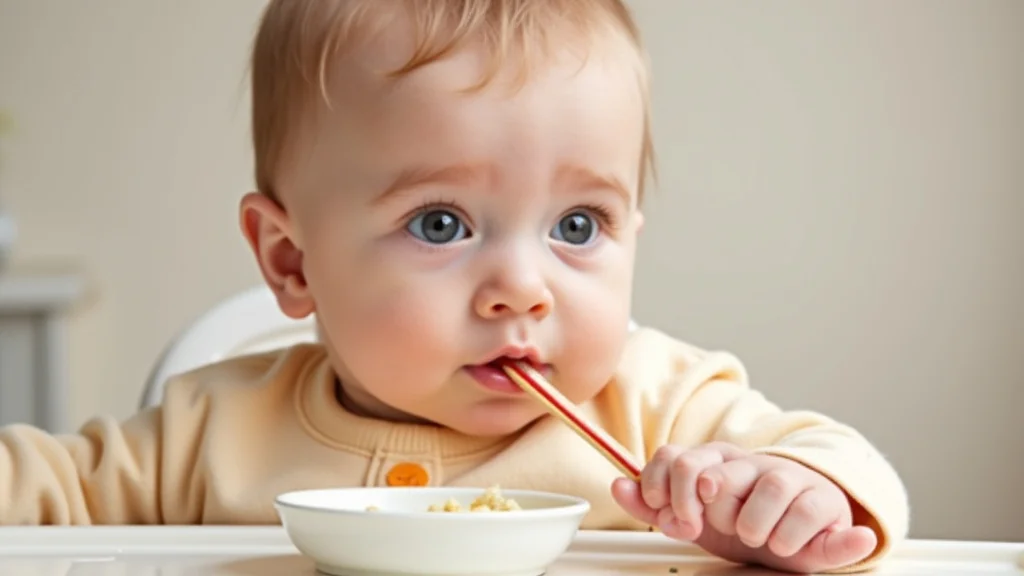
Picture this: you’re holding your precious little one, utterly captivated by their every move. Suddenly, they’re grabbing for your spoon during a meal. It’s a sweet moment, but it also sparks a thought: when should they start eating solids? What about that cup? The world of baby feeding milestones can seem like a complex maze, especially for new parents. This guide will walk you through each step, helping you feel confident and prepared. You’ll learn about the expected baby feeding milestones and how to support your child’s development. Get ready to transform from a parent just trying to survive to a confident guide on this exciting adventure!
Key Takeaways
- Learn the typical ages and stages of infant feeding.
- Understand the signs that your baby is ready to start solids.
- Discover which foods are best to introduce first.
- Find out how to safely introduce new foods and avoid common choking hazards.
- Get tips on handling feeding challenges like picky eating.
- Grasp the transition from breast milk or formula to solid foods.
Getting Ready for Baby Feeding Milestones
Before you even think about introducing your baby to solids, there’s a lot to consider. You’ll want to ensure you have the correct equipment, and a good grasp on the stages of development. Your baby’s readiness involves physical signs, and a keen eye will allow you to learn when they are truly prepared. Preparing for this stage is just as important as the feeding itself, and understanding these elements helps ease the process.
Recognizing Readiness Cues
Your baby will signal readiness in several ways. The most important is physical development. Can your baby sit upright with good head control? They need to be able to do this to safely swallow food. Also, a baby ready to start eating will show interest in your food. They may watch you eat with fascination, open their mouth when you offer them a spoon, or try to grab your food. The ability to control their head and neck muscles to swallow safely is key. These signs indicate that your baby’s body is ready to begin a new adventure.
- Sitting Upright: Your baby should have good head and neck control, and be able to sit upright without support.
- Interest in Food: They may watch you eat with interest and even try to grab food from your plate.
- Loss of Tongue-Thrust Reflex: This is a natural reflex that pushes food out of the mouth, which must disappear before they can start eating solids.
- Opening Mouth for Spoon: They should open their mouth when they see a spoon coming toward them.
- Swallowing Effectively: Your baby should be able to swallow the food, instead of pushing it back out.
Essential Equipment for Feeding
Having the right tools can make feeding your baby significantly easier and safer. A high chair with a secure harness is a must. Soft-tipped spoons are perfect for starting out. Avoid sharp edges that may hurt your baby. Small bowls, bibs, and spill-proof cups are other essentials. All of these items will help you navigate this stage.
Always sterilize all feeding equipment before the first use, and clean them thoroughly after each meal. This includes bottles, spoons, bowls, and any other items that come into contact with your baby’s food or mouth. Cleaning is important, but a good high chair is at the top of the list.
- High Chair: Provides a safe and comfortable place for your baby to eat. Look for one with a secure harness and easy-to-clean surfaces.
- Soft-Tipped Spoons: Gentle on your baby’s gums and easy to handle.
- Small Bowls: Convenient for serving portions and easy for you to handle.
- Bibs: Essential for catching spills and keeping your baby clean.
- Sippy Cups or Open Cups: Introduce these for water or milk alongside solids.
Early Baby Feeding Milestones: The First Foods
The early stages of eating solid foods are exciting, with the first bites of a new culinary experience. Starting out with single-ingredient purees makes introducing flavors safer and simpler. The first foods should be easily digestible and low in allergy risks. Gradually introducing new foods allows you to identify any sensitivities, and develop healthy eating habits. Patience is important as your child explores new tastes and textures.
Introducing Purees: The First Tastes
For most babies, the first foods are purees. These are smooth, easy-to-swallow foods that are gentle on developing digestive systems. Single-ingredient purees like baby rice cereal, pureed sweet potatoes, and avocado are common. Start with small amounts, once or twice a day, and gradually increase the portion sizes as your baby becomes more comfortable. Avoid adding salt or sugar to your baby’s food.
Give each new food several days before introducing another. This helps you monitor for any allergic reactions or sensitivities. Signs of a food allergy can include skin rashes, hives, vomiting, or diarrhea. If you notice any of these signs, stop feeding the food and consult your pediatrician. The goal is to provide a balanced diet, so the variety will increase as your child grows.
- Single-Grain Cereals: These are often the first foods introduced because they are easily digestible and fortified with iron.
- Pureed Vegetables: Offer a variety of vegetables like sweet potatoes, carrots, and peas.
- Pureed Fruits: Fruits such as bananas, avocados, and applesauce are often well-received.
- Pureed Meats: Introduce these for iron and protein, such as chicken or beef.
- Introduce One Food At A Time: Watch for any allergic reactions or intolerances, giving 3-5 days before each new food.
Allergen Introduction: Early and Often
Current guidelines suggest introducing common allergens early and often, typically starting around six months, alongside other foods. This can actually help prevent allergies. Allergens include foods like peanuts, eggs, dairy, soy, and fish. Talk to your pediatrician first. Offer small amounts, and monitor your baby closely for any signs of an allergic reaction. Early introduction helps, while the baby’s immune system is still developing.
When introducing allergens, it’s best to do so at home where you can closely monitor your child. Serve the allergen on its own, so that if there is a reaction, it is easier to identify the cause. Start with small portions, such as a teaspoon of peanut butter, and watch for any signs of allergies. If your baby shows signs of a reaction, immediately stop feeding that food and call your doctor.
- Peanuts: Thinly spread peanut butter on a cracker or in a puree.
- Eggs: Offer cooked egg yolks or scrambled eggs.
- Dairy: Introduce yogurt or cheese in small quantities.
- Soy: Start with soy-based products like tofu or edamame.
- Fish: Begin with mild, cooked fish like salmon.
Expanding Your Baby’s Diet: Textures and Flavors
As your baby grows, the menu will expand to include a wider array of flavors and textures. This includes making the food less smooth, and encouraging self-feeding. These stages help promote the growth of important skills, and the joy of trying new things. This is a time of discovery, both for your baby and for you.
Introducing Textures: From Smooth to Chunky
Around 7-9 months, introduce slightly thicker purees. Begin with purees that have a slightly chunkier consistency. This will help your baby get used to different textures in their mouth. By 10-12 months, your baby can handle soft, chopped foods like well-cooked vegetables and soft fruits. Varying the food’s texture challenges the child, and allows them to practice chewing and swallowing.
The shift from smooth purees to chunkier textures is an important step in your baby’s development. It can encourage chewing skills, and make your child more receptive to a varied diet. It’s also crucial for developing oral motor skills, which are important for speech and eating. Start slowly, and watch your baby’s reactions. If they gag or struggle, go back to smoother textures for a while.
- Thick Purees: Gradually increase the thickness of purees, and adding a few lumps.
- Mashed Foods: Offer mashed potatoes, bananas, and other soft foods.
- Soft, Chopped Foods: Introduce cooked vegetables, and soft fruits chopped into small, manageable pieces.
- Finger Foods: Small pieces of cooked vegetables or soft fruits can be provided to help the child practice feeding themselves.
- Avoid Hard or Small Foods: These can be choking hazards, so avoid them until your baby is ready.
Finger Foods and Self-Feeding
Finger foods are a big step toward independence, and give babies control over what they eat. Start with soft, easy-to-manage foods. Pieces of cooked carrots, peas, and soft fruits are great options. Cut foods into pieces to make them easy to handle. This will develop fine motor skills, and will also help your baby explore different textures.
Allowing your baby to self-feed encourages independence, and also lets them control their own pace. Be prepared for a mess. Place a bib and a mat under the high chair to catch spills. This is a great skill that takes practice. Don’t get discouraged if the food ends up everywhere but in their mouths. Over time, they will refine their technique and become more efficient eaters.
- Soft Cooked Vegetables: Offer steamed broccoli florets or carrot sticks.
- Soft Fruits: Provide small pieces of ripe bananas or peeled peaches.
- Cooked Pasta: Offer small, cooked pasta shapes.
- Avoid Choking Hazards: Cut foods into small pieces to minimize choking risks.
- Supervise: Always supervise your baby while they are eating.
Addressing Feeding Challenges and Common Issues
Feeding your baby is not always simple, and there may be difficulties. Picky eating habits are common, as well as worries about choking. Knowing how to handle these challenges will make mealtimes less stressful. Building positive feeding habits is the goal, and patience is essential.
Dealing with Picky Eating
Picky eating is a phase that most children experience. Avoid forcing your child to eat. Offer a variety of healthy foods, and let your baby choose how much they eat. Introduce new foods multiple times. It can take several attempts before a child accepts a new food. Involve your child in meal preparation. Let them help wash vegetables, and give them a chance to explore new foods. Create a pleasant mealtime environment. Make mealtime a relaxed and positive experience.
Consistency is important. Eat meals together as a family, when possible. Do not reward or punish your child for eating (or not eating). Praise them for trying new foods. Focus on the positive aspects of the meal. Avoid using food as a reward or punishment. This can create negative associations with food. Be patient, and keep offering a variety of healthy choices. Your baby will gradually expand their palate and eating habits.
- Offer a Variety: Provide many different types of healthy foods.
- Be Patient: It may take several times for your baby to accept a new food.
- Involve Your Child: Let them help with meal preparation when possible.
- Create a Positive Mealtime: Make mealtime a pleasant, relaxed experience.
- Avoid Pressure: Never force your baby to eat.
Understanding and Preventing Choking Hazards
Choking is a serious risk. Knowing how to prevent it is essential. Always supervise your baby during meals, and cut food into small, manageable pieces. Avoid hard foods like raw carrots, whole grapes, and nuts. Make sure your baby eats in a high chair. This helps them maintain a safe posture. If your baby starts choking, stay calm, and seek medical help right away.
Choking hazards include foods that are hard to chew, or are small enough to get lodged in the throat. Educate yourself on the Heimlich maneuver. Learn how to respond to a choking emergency, and know the difference between gagging and choking. Gagging is common, and is a way for your baby to move food forward in the mouth. Choking is a more serious issue, and requires immediate action.
- Cut Foods Properly: Cut all food into small, manageable pieces.
- Avoid High-Risk Foods: Avoid whole grapes, nuts, and hard candies.
- Supervise Eating: Always watch your baby while they eat.
- High Chair: Use a high chair with a footrest to support posture.
- Know the Heimlich Maneuver: Be prepared in case of emergency.
Baby Feeding Milestones: Cup Introduction
Introducing a cup is a milestone that marks the path to independence. Learning to drink from a cup is important for your child’s development. This transition helps with motor skills and encourages the move to solid foods. The right cup choice is important, and practice helps the child learn this skill.
Choosing the Right Cup
There are different types of cups. Sippy cups with a valve can make the transition easier, and prevent spills. Open cups help the baby use the mouth muscles. It is important to find the right cup for your baby’s needs and skills. Choose cups that are easy to clean, and free of harmful chemicals. Start slowly, and provide help as your child learns to use the cup.
Sippy cups and open cups offer different benefits. Sippy cups with valves reduce spills, and help your baby get used to the motion of drinking from a cup. Open cups help your baby develop the coordination and strength needed for drinking. When choosing a cup, consider the baby’s age and abilities. Make sure it is safe and easy to clean. Introduce the cup gradually, and provide support and encouragement.
- Sippy Cups: Offer spill-proof options for beginners.
- Open Cups: Promote better oral motor skills and coordination.
- Weight and Design: Choose cups easy for small hands to grasp.
- Material: Use BPA-free and non-toxic cups.
- Cleaning: Cups should be easy to clean.
Transitioning from Bottle or Breast
When you are ready, the transition to a cup can be done gradually. If your baby is taking a bottle, then start by offering a cup of water or milk at mealtimes. This will help them become familiar with the cup. Start by replacing one bottle feeding with a cup of water, and then gradually
For breastfed babies, the transition to a cup may take a little longer. It may be helpful to offer the cup at mealtimes, or when the baby is not particularly hungry. The goal is to make the change as smooth as possible. Be patient, and understand that every baby develops at their own pace. If your baby resists, take a break and try again later. It is okay to seek advice from your doctor or a lactation consultant.
- Introduce Gradually: Slowly
- Consistency: Offer the cup at mealtimes, and throughout the day.
- Practice: Let your baby practice with the cup even if they spill.
- Patience: Do not rush the process.
- Seek Support: Ask your doctor or a lactation consultant for help.
Common Myths Debunked
Myth 1: Babies Do Not Need Water Until They Start Solids
This is a common misconception. While breast milk and formula provide sufficient hydration for the first six months, babies can benefit from small amounts of water once they begin solids. Offering water helps with digestion and prevents constipation. It is recommended to offer small amounts of water in a cup between meals.
Myth 2: Babies Should Not Eat Allergenic Foods Before One Year
This myth delays introducing foods like peanuts, eggs, and fish. Current recommendations actually encourage introducing allergenic foods early, and often, starting around six months. Introducing allergens early may lower the risk of developing allergies. Always consult your pediatrician before introducing allergens, and offer them one at a time.
Myth 3: Homemade Baby Food Is Always Better Than Store-Bought
Both homemade and store-bought baby food offer advantages. Homemade food lets you control the ingredients, and lets you tailor the meals to your baby’s preferences. Store-bought baby food is convenient and often fortified with vitamins and minerals, helping to ensure your baby gets all the necessary nutrients. It is perfectly fine to use both, but be sure to choose high-quality brands.
Myth 4: Babies Should Always Finish Their Plate
It is important to understand a baby’s natural cues. Forcing a baby to finish their plate can lead to overeating and other negative associations with food. Instead of focusing on how much they eat, watch for the signs of hunger and fullness. Let your baby decide when they have had enough. It is more important to create a positive mealtime experience than to enforce portion sizes.
Myth 5: It’s Okay to Add Salt and Sugar to Baby Food to Enhance Flavor
This myth does not support the baby’s health. Adding salt and sugar to a baby’s food is unnecessary and potentially harmful. These can overwhelm their developing palates and promote unhealthy eating habits. Babies do not need extra salt or sugar. Instead, focus on fresh, natural flavors. If you want to enhance flavor, try adding herbs or spices to your child’s food.
Frequently Asked Questions
Question: When should I start feeding my baby solids?
Answer: Most babies are ready to start solids around six months, but it depends on the baby’s readiness cues: sitting up, showing interest in food, and loss of tongue-thrust reflex.
Question: Which foods should I start with?
Answer: Start with single-ingredient purees like baby rice cereal, pureed sweet potatoes, and avocado. Introduce one new food at a time, watching for any allergic reactions.
Question: How do I introduce potential allergens like peanuts?
Answer: Introduce potential allergens, such as peanuts, early and often, typically starting around six months. Consult your pediatrician first. Offer small amounts, and watch for any signs of an allergic reaction.
Question: What are the main choking hazards to avoid?
Answer: Avoid hard foods like raw carrots, whole grapes, and nuts. Cut all food into small, manageable pieces. Always supervise your baby during meals.
Question: How do I deal with picky eating?
Answer: Offer a variety of healthy foods, be patient, and involve your child in meal preparation when possible. Create a positive mealtime experience and avoid forcing your baby to eat.
Final Thoughts
The journey through baby feeding milestones is filled with joy, challenges, and lots of learning. From the initial stages of spoon-fed purees to the independence of finger foods and the first attempts at using a cup, each stage brings its own rewards. Watching your baby explore new tastes and textures is amazing. Remember that every baby is different. They all develop at their own unique pace. Do not stress. Patience and persistence are key. Focus on creating a positive mealtime environment. Provide a variety of nutritious foods. Support your little one. You’ll be amazed at the progress your child makes. Embrace each step of the way, and cherish the precious moments. Enjoy the process and the bonding. You are doing a great job!