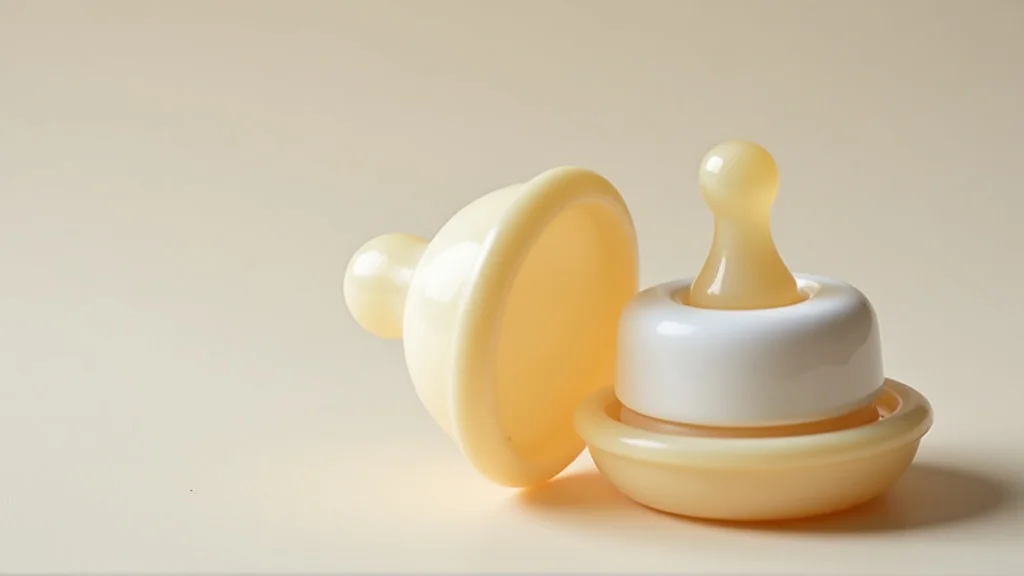
Picture this: It’s 3 AM, and your little one is screaming. You reach for a bottle, but the baby feeding nipple just isn’t working. This is a common situation for new parents. Finding the right nipple can be a game-changer. This post explores everything you need to know about baby feeding nipples, from different materials and flow rates to tips on choosing the best option for your baby. By the end, you’ll be able to make an informed decision and hopefully get some much-needed sleep!
Key Takeaways
- Understand the various types of baby feeding nipples available and their materials.
- Learn how to choose the correct nipple flow rate for your baby’s age and needs.
- Discover the best practices for cleaning and maintaining your baby’s nipples.
- Find out how to identify signs that a nipple might need to be replaced.
- Explore how to switch between different nipple styles or brands without issue.
- Gain confidence in selecting the ideal baby feeding nipple to improve feeding.
Exploring Baby Feeding Nipple Types and Materials
The world of baby products can be overwhelming, and selecting a baby feeding nipple is no exception. With so many options available, it’s essential to grasp the differences to select the safest and most effective choice for your baby. From silicone to latex and various shapes and sizes, each type has its advantages and considerations. Grasping these differences can help you provide the best possible feeding experience for your infant.
Silicone Nipples
Silicone nipples have gained popularity because of their durability and safety features. They are a synthetic material, free of latex, BPA, and phthalates, reducing the potential for allergic reactions. Their ability to withstand high temperatures makes sterilization easy, a key consideration for infant hygiene. Furthermore, silicone nipples usually retain their shape and don’t become sticky over time. A study in the Journal of Pediatric Nursing showed that silicone nipples are preferred by many parents for their ease of cleaning and long lifespan, and many experts recommend silicone due to its hypoallergenic qualities.
- Durability: Silicone is a resilient material, resisting wear and tear. This means the nipples often last longer.
- Hypoallergenic: For babies sensitive to allergens, silicone presents a safe alternative.
- Ease of Cleaning: They withstand high temperatures, allowing effective sterilization via boiling, steaming, or using a sterilizer.
- Shape Retention: Silicone nipples typically keep their form, maintaining a consistent flow rate, which supports a more predictable feeding experience.
Latex Nipples
Latex nipples, made from natural rubber, were once a standard. They are soft and flexible, mimicking the feel of a mother’s breast. However, some parents and caregivers must consider latex allergies, a significant drawback. Latex is more prone to wear and tear than silicone and may need more frequent replacement. Moreover, latex can absorb odors and flavors from food and become sticky over time. Proper cleaning and maintenance are essential to reduce risks and ensure your child’s safety and comfort.
- Softness: The natural flexibility of latex offers a similar feel to a real breast, possibly making the transition between breastfeeding and bottle feeding smoother for some babies.
- Cost: Generally, latex nipples tend to be a more cost-effective option than silicone, making them an accessible option for many families.
- Natural Material: Derived from rubber trees, latex is a natural material.
- Maintenance: Latex nipples require regular inspection for signs of wear and tear, and they may need more frequent replacement.
Shape Variations
Nipples come in different shapes designed to cater to various feeding styles. Some babies do well with a rounded shape, which mimics the natural shape of a breast and can be familiar to babies who are breastfed. Other nipples may be angled or shaped in specific ways to support a particular latch or reduce air ingestion. Understanding the differences in shape can greatly enhance the feeding experience and reduce potential issues like colic.
- Round Nipples: These are a standard choice, providing a classic shape that is familiar and suitable for many babies.
- Angled Nipples: These are sometimes suggested for babies who struggle to latch or for those who may have reflux, as they can help reduce air ingestion.
- Orthodontic Nipples: Designed with a specific shape, they support the baby’s palate and jaw.
- Wide-Neck Nipples: These nipples often provide a wider base, which can facilitate a better latch, especially useful for babies who switch between bottle and breast frequently.
Flow Rate Matters for the Baby Feeding Nipple
The flow rate of a baby feeding nipple refers to how quickly the milk or formula flows through the nipple. Choosing the correct flow rate is vital for your baby’s comfort and healthy development. If the flow is too fast, the baby might choke or gulp air, leading to discomfort. A flow that is too slow can frustrate the baby, leading to fatigue and potentially reduced feeding amounts. Several factors, including age, feeding habits, and milk consistency, guide the selection of the right flow rate.
Slow Flow Nipples
Slow-flow nipples are commonly suggested for newborns and younger infants. These nipples are specifically designed to dispense milk at a gentle rate. This helps prevent the baby from being overwhelmed, reducing the risk of choking and allowing them to control the pace of feeding. Slow-flow nipples also assist in reducing air intake, which can lower the likelihood of colic and gas. This controlled feeding pace helps the baby develop proper sucking and swallowing skills. Furthermore, slow flow is great for babies who are breastfeeding too, and the gentle pace helps mimic the flow experienced during breastfeeding.
- Newborns: Essential for infants aged 0-3 months, these nipples offer a gentle flow rate.
- Breastfeeding Babies: Often, the slow flow provides a pace similar to breastfeeding, making the switch between breast and bottle more natural.
- Preventative Care: Slow flow helps reduce gas and colic, improving overall feeding comfort.
- Controlled Feeding: The pace helps babies learn how to suck and swallow, essential for their development.
Medium Flow Nipples
Medium-flow nipples suit babies who have developed a bit more. They provide a quicker flow than slow-flow options, yet still provide good control over the intake. These nipples are often suitable for babies who are a few months old and have established feeding patterns. This speed increase helps meet the baby’s growing needs and can reduce feeding times. Always monitor the baby’s feeding behavior to ensure the medium flow rate is correct for them, looking out for any signs of discomfort or excessive gulping.
- Age Range: Typically used for babies aged 3-6 months.
- Feeding Speed: Offers a faster flow rate than slow nipples, improving feeding speed.
- Milk Consistency: They are compatible with most standard milk formulas.
- Baby’s Needs: Useful for babies who have gained the skills necessary for faster intake.
Fast Flow Nipples
Fast-flow nipples are designed for older babies who can handle a quick milk flow. These nipples are usually best suited for babies who are six months and older, or those who are consuming thicker formula or cereal-enriched feeds. A fast-flow nipple facilitates faster feeding and is helpful if the baby has developed advanced sucking skills and needs to consume more milk. It is important to carefully observe the baby’s reactions and ensure they aren’t overwhelmed by the quick flow to prevent any potential risks. In addition, always be aware of the nipple size.
- Older Babies: Mostly for babies older than six months.
- Thick Formulas: Ideal for formulas thicker with added cereal.
- Faster Intake: Provides a rapid flow, improving feeding speed.
- Development: Suitable for babies with advanced sucking and swallowing skills.
Cleaning and Maintaining Your Baby Feeding Nipple
Maintaining a clean and hygienic environment for your baby’s feeding essentials is critical for their health and well-being. Regular and proper cleaning of baby feeding nipples reduces the risk of illness. Washing, sterilizing, and properly storing your baby’s nipples will ensure they remain free from harmful bacteria. By establishing an organized and reliable cleaning schedule, you contribute significantly to your baby’s health and development.
Washing Nipples
Washing your baby’s nipples should occur after every use. This process involves rinsing them under running water to remove any milk residue and then thoroughly washing them with warm, soapy water. Use a soft brush designed for baby bottles and nipples to reach all areas and remove any leftover milk. Careful cleaning ensures that no bacteria or food particles remain, which can cause illness or infections. Always keep in mind proper washing protocols.
- Rinsing: Rinse nipples thoroughly under running water to remove milk residue.
- Soapy Water: Use warm, soapy water and a bottle brush to clean inside and out.
- Thorough Cleaning: Pay close attention to the nipple’s tip and base, where bacteria often collects.
- Drying: Air dry the nipples or use a clean towel, after washing.
Sterilizing Nipples
Sterilizing nipples is a significant process for ensuring they are germ-free, particularly during the first few months of your baby’s life, when the immune system is still developing. You can sterilize nipples by boiling them in water for a few minutes, using a steam sterilizer, or using a microwave sterilizing bag. Regularly sterilizing nipples helps eliminate potential pathogens that could cause infections or illnesses. The sterilizing frequency often depends on your baby’s age, health, and any recommendations from your pediatrician.
- Boiling: Boil the nipples in water for five minutes.
- Steam Sterilizer: Utilize a baby bottle sterilizer, which uses steam to eliminate bacteria.
- Microwave Bags: Use microwave sterilizing bags to safely and efficiently sterilize nipples.
- Frequency: Follow your pediatrician’s advice for how often to sterilize based on your baby’s needs.
Storage and Handling
How you store and handle your baby’s nipples after cleaning is crucial for maintaining their cleanliness and preventing contamination. After they’re washed and sterilized, store them in a clean, airtight container or a sterile environment until ready for use. Always wash your hands thoroughly before handling nipples to avoid transferring bacteria. Regularly inspect the storage area to ensure it remains clean. This approach keeps your baby’s feeding supplies as sanitary as possible and reduces the risk of illness.
- Air-Tight Containers: After sterilization, place the nipples in a sealed container to keep them clean.
- Clean Hands: Wash hands before handling or using nipples.
- Dry Environment: Store nipples in a dry area.
- Regular Checks: Routinely check storage areas for cleanliness and cleanliness.
Recognizing When to Replace a Baby Feeding Nipple
While baby feeding nipples are designed to last, they don’t last forever. Regular replacement is essential for your baby’s safety and well-being. Over time, nipples can wear down, developing small cracks or tears that can be a breeding ground for bacteria. Recognizing the signs that a nipple needs replacing is crucial for preventing potential health issues and ensuring your baby’s comfort.
Signs of Wear and Tear
Inspecting your baby’s feeding nipples regularly helps identify signs of wear and tear, which indicate it’s time for replacement. Check for any splits, cracks, or discoloration. Look for areas where the nipple might have thinned or become sticky. A damaged nipple can pose risks, as it can harbor bacteria. Routine inspections can help ensure your baby’s feeding items are always safe and in good condition.
- Cracks: Any cracks or splits mean the nipple must be replaced to prevent contamination.
- Discoloration: Changes in color can point to wear and tear or material breakdown.
- Stickiness: Stickiness suggests material degradation, which can collect bacteria.
- Thinning: If the nipple seems thinner than normal, it could be a sign of wear.
Changes in Feeding Behavior
Changes in your baby’s feeding habits can indicate that the nipple needs replacing. If the nipple flow has become too fast, your baby may gulp or choke more often. Alternatively, if the flow has slowed, the baby might struggle to feed or become frustrated. These changes indicate that the nipple’s integrity or flow rate has changed. Addressing the changing feeding habits by replacing or adjusting the nipple can improve the feeding experience.
- Choking or Gulping: If your baby is suddenly choking, it might be due to a faster flow rate.
- Frustration: Fussiness might be caused by too slow of a flow.
- Air Ingestion: Increased air intake might be another sign.
- Leakage: If the nipple leaks around the mouth, consider a new one.
Manufacturer Recommendations
Manufacturer suggestions provide valuable insights into how frequently you should replace baby feeding nipples, offering a clear guide for safety. Manufacturers often provide specific recommendations on the packaging. These guidelines take into consideration the materials the nipple is made of, the usage patterns, and the general wear and tear it will experience. Always consult these suggestions to ensure you are following the best practices.
- Packaging: Regularly check the packaging for specific replacement guidelines.
- Material-Specific: Replacement schedules can differ, based on the material used.
- Frequency: Follow the recommendations for safe and effective feeding practices.
- Safety First: Prioritize your baby’s safety when using manufacturer’s advice.
Making the Switch: Changing Baby Feeding Nipple Styles
As your baby grows and develops, the need to switch baby feeding nipple styles can arise. You may need to transition between different sizes, materials, or brands. This transition can be done carefully to ensure it’s as smooth and stress-free as possible for your baby. Gradual transitions, observation, and patience are often the best methods for ensuring success.
Gradual Transitions
Implementing a gradual transition is a useful method when changing your baby’s nipple style. Starting slowly allows the baby time to adjust to the new nipple without being overwhelmed. Begin by using the new nipple for one feeding a day and steadily increasing the number of times it’s used. This process lets your baby get accustomed to any changes in flow rate, feel, or shape without major upset or disruption. This gradual process helps lower the risk of refusal and ensures that the feeding experience remains comfortable for the baby.
- Start Slowly: Introduce the new nipple one time a day.
- Increase Gradually: Continue to increase the times each day the new nipple is used.
- Observe: Keep an eye on your baby for any signs of discomfort.
- Patience: Patience is essential, as the transition can take time.
Observing Your Baby
Close observation is a key aspect of switching to a new nipple style. Watch your baby’s feeding behavior for any signs of discomfort or adjustment issues. Look for how well they latch onto the new nipple, how they feed, and whether they show any signs of frustration or air intake. Keeping an open eye for these signals helps determine whether the new nipple is suitable for your baby. Paying close attention enables you to make the required adjustments to ensure the feeding experience remains comfortable and positive.
- Latch: Notice how the baby attaches to the new nipple.
- Feeding: Observe the feeding speed and smoothness.
- Frustration: Identify if the baby appears frustrated.
- Adjustments: Be ready to adjust to make the feeding easier.
Mixing and Matching
Although it might be appealing to mix and match different brands or nipple types, it’s usually best to choose a single brand and nipple type. If you are struggling to make a switch, you may attempt mixing and matching. When transitioning nipple styles, you might mix and match brands or types. This usually involves using different nipples alternately throughout the day. It is an option, although this approach can make it harder for your baby to adjust. It’s always best to be patient while observing how the baby responds to the change.
- Alternating: Try alternating between different nipples to test.
- Observation: Monitor how your baby reacts to each type.
- Adjustments: Adjust to the feeding according to how the baby reacts.
- Patience: Give your baby time to adapt to any changes.
Common Myths Debunked
Myth 1: All Nipples Are the Same
In reality, not all baby feeding nipples are created equal. They vary in material, shape, and flow rate. Silicone and latex nipples feel different, and flow rates can range from slow for newborns to fast for older babies. These differences directly impact the baby’s feeding experience and the effort required to get their nutrition. Choosing the right nipple is about matching the baby’s developmental stage and specific needs, not simply grabbing the first one you see. Every baby has distinct requirements, so selecting a nipple that supports their individual needs is crucial. A slow flow nipple is very different from a fast flow.
Myth 2: Expensive Nipples Are Always Better
The cost of a nipple does not necessarily determine its quality. While some expensive nipples may have added features or made with premium materials, the most suitable nipple relies on factors such as your baby’s age, feeding style, and any specific health issues they might have. A less expensive nipple made of the appropriate material and with the right flow rate might be the best option for your baby. Some higher-priced options can be helpful, but they aren’t the only metric. Always prioritize your baby’s comfort and proper nutrition over the price tag.
Myth 3: You Can Sterilize Nipples Infinitely
While sterilization is essential for hygiene, it doesn’t mean you can sterilize nipples repeatedly without concern. Over time, the repeated sterilization process can degrade the materials of the nipple, leading to wear and tear. Constant exposure to high heat or harsh cleaning methods can cause nipples to become less effective. It is important to inspect the nipples for damage regularly, and follow manufacturer’s instructions for replacement. Regular replacement keeps feeding safe and maintains the integrity of the nipple.
Myth 4: A Faster Flow Rate Means the Baby Eats More
A faster flow does not always mean the baby will consume more. A fast flow rate can cause the baby to gulp and potentially ingest more air, leading to discomfort or spit-up. The ideal flow rate must match the baby’s ability to suck, swallow, and breathe comfortably, not just the speed at which milk comes out. A too-fast flow can also cause the baby to develop a preference for the bottle over the breast, which can make breastfeeding difficult for the mother. Always select a flow rate that supports your baby’s comfort and development.
Myth 5: All Babies Can Use the Same Nipple Shape
Nipples come in various shapes and sizes to accommodate diverse feeding preferences and requirements. While some babies do well with a standard round nipple, others may benefit from an angled, orthodontic, or wide-neck shape. An angled nipple might help to reduce air intake, and an orthodontic nipple can support healthy oral development. The right nipple shape can depend on a baby’s latch and feeding preference. Experimenting and observing your baby’s behavior will help you identify the most suitable nipple shape.
Frequently Asked Questions
Question: How often should I replace my baby’s nipples?
Answer: Replace nipples every 2-3 months, or sooner if they show signs of wear, such as cracks, tears, or stickiness. Always follow the manufacturer’s recommendations.
Question: Can I use dish soap to clean my baby’s nipples?
Answer: Yes, use a mild dish soap and hot water. Rinse thoroughly to eliminate all soap residue before sterilizing.
Question: Is it safe to use a microwave sterilizer for baby nipples?
Answer: Yes, microwave sterilizers are generally safe and effective. Ensure the nipples are compatible with the sterilizer and follow the instructions.
Question: How do I know if the nipple flow is too fast for my baby?
Answer: Signs of too fast a flow include choking, gulping, spitting up, and taking in excessive air. A slow flow is generally better for newborns and babies, and you should always check with your pediatrician if you are unsure.
Question: Can I use different brands of nipples on the same baby bottle?
Answer: Not all bottle brands will fit other brands’ nipples. Always check for compatibility before mixing different brands.
Final Thoughts
Choosing the correct baby feeding nipple is an important step in ensuring your baby’s comfort and healthy development. From the different material types like silicone and latex to the various flow rates and shapes available, each factor has a significant impact on the feeding experience. Remember to prioritize your baby’s needs by selecting the right nipple based on their age, feeding habits, and any specific needs. Always be mindful of cleaning, sterilizing, and maintaining your baby’s nipples for optimal hygiene and safety. A little bit of knowledge and attention can transform feeding time from a struggle into a source of comfort for both you and your little one. Keep in mind that every baby is different; if you have concerns, speak with your pediatrician to determine the right choice for your baby.