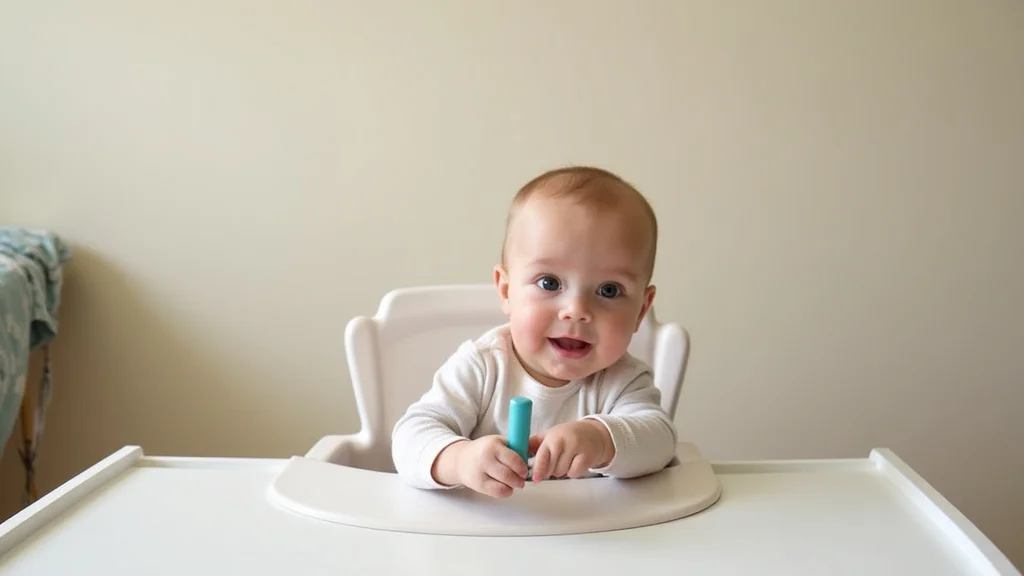
Picture this: It’s mealtime, and your little one is ready to explore the exciting world of food. You’re juggling purees, bibs, and spoons while trying to keep things from ending up everywhere. Selecting the right baby feeding seat can make a huge difference, simplifying those early feeding stages. This guide will help you sort through the options, from basic high chairs to versatile booster seats. You’ll gain valuable knowledge to choose the best baby feeding seat for your child and your home, ensuring comfortable, safe, and stress-free mealtimes. You’ll also learn the different features and safety aspects to watch out for, improving your family’s feeding experience and ensuring a smoother transition to solid foods.
Key Takeaways
- Learn about the different types of baby feeding seats available.
- Discover the essential safety features to consider.
- Understand how to choose a seat based on your child’s age and needs.
- Get tips on cleaning and maintaining your baby feeding seat.
- Explore the benefits of various feeding seat features, such as adjustability.
- Find out how to ensure a comfortable and enjoyable mealtime for your child.
Types of Baby Feeding Seats
The market offers a wide variety of baby feeding seats, each with unique features catering to different needs and lifestyles. From basic high chairs designed for simple functionality to multi-functional seats that evolve with your child, exploring these options helps narrow down the perfect choice. You will see how different designs address various stages of development, budget considerations, and space constraints. Each design offers a specific set of benefits. Understanding these different types allows parents to make an informed decision when they shop for baby feeding seats.
High Chairs: The Basics
High chairs are the classic option, providing a stable and elevated position for your child during mealtimes. They typically feature a tray, a harness system for safety, and a sturdy base. High chairs come in a variety of styles, from simple, no-frills designs to more elaborate models with adjustable heights, removable trays, and extra features. The primary function remains the same: to keep your child secure and at the right height for eating. The best ones are easy to clean, offer a good range of adjustability, and will fit well into your kitchen. Consider how much space you have available and how important features are to you.
- Standard High Chairs: These are straightforward models with basic features like a tray and a safety harness. They are usually budget-friendly and easy to use.
- Convertible High Chairs: These chairs can transform into a booster seat or a toddler chair as your child grows. This option offers excellent value, as it extends the life of the product.
- Foldable High Chairs: These chairs are great for small spaces. They can be easily folded for storage when not in use.
- Wooden High Chairs: Known for their aesthetics and durability, these chairs often have a classic look and can blend in with your décor.
Booster Seats: On the Go Comfort
Booster seats are designed to be placed on top of a regular dining chair, raising your child to table height. They are a good solution for travel or smaller homes. Booster seats are typically more compact and easier to store than full-sized high chairs. They’re generally suitable for children who can sit up independently but still need a little boost to reach the table. When selecting a booster seat, look for models with secure attachment straps to ensure they stay firmly in place on the chair. You’ll want one that is easy to wipe clean to handle any spills or messes.
- Simple Booster Seats: These are basic designs that provide a simple lift and often include a tray.
- Portable Booster Seats: Designed for easy transport, these are ideal for use at restaurants or when traveling.
- Convertible Booster Seats: Some booster seats can convert into a toddler chair, similar to convertible high chairs.
Multi-Functional Feeding Stations: Versatile Mealtime Solutions
Multi-functional feeding stations offer the most comprehensive options. They often include adjustable heights, reclining seats, and even integrated storage for feeding essentials. These stations are designed to evolve with your child, from infancy through toddlerhood. They are an investment that provides flexibility and adapts to your child’s needs as they grow. While they might be pricier, the added features and extended lifespan often make them a worthwhile option. Look for models with features like removable trays, washable seat pads, and easy-to-clean surfaces to keep your feeding station tidy and ready for use.
- High Chair with Adjustable Height: These chairs adapt to different table heights, ensuring your child is always at the right level for meals.
- Reclining High Chairs: They offer a slight recline, making them ideal for younger babies who are not quite sitting up independently.
- High Chairs with Storage: These models include compartments for bibs, utensils, and other feeding supplies, keeping everything organized and within reach.
Safety Features to Consider for Baby Feeding Seats
Safety is the most important factor when choosing a baby feeding seat. Your child’s well-being is the number one priority. A good baby feeding seat offers several safety features that can minimize risks during mealtimes. Proper safety features will protect your child from injury and help prevent accidents. Always select a seat that meets or exceeds safety standards and check for recalls regularly. Before you purchase a baby feeding seat, consider factors like harness systems, base stability, and overall construction. The more you know, the safer mealtimes will be for your child.
Harness Systems: Keeping Your Child Secure
A secure harness system is a must-have for any baby feeding seat. It keeps your child safely in place and prevents them from slipping or climbing out of the seat. The best harnesses are adjustable, allowing you to customize the fit as your child grows. Look for a harness with at least a five-point system, which includes straps over the shoulders, around the waist, and between the legs. The straps should be easy to buckle and unbuckle for convenience. Regular use of the harness is critical, and the proper fit is important to make sure it functions as intended. A secure harness minimizes the chances of falls or other accidents.
- Three-Point Harness: This type of harness secures the child with straps around the waist and between the legs. It’s suitable for older babies who can sit up independently.
- Five-Point Harness: This offers the highest level of security, with straps over the shoulders, around the waist, and between the legs. It’s the best choice for younger babies and wiggly toddlers.
- Adjustable Straps: Ensure the harness straps are adjustable, allowing you to tighten or loosen them as needed to fit your child snugly.
- Easy-to-Use Buckles: Look for buckles that are easy for you to operate but difficult for your child to unfasten.
Base Stability: Preventing Tipping
A stable base is vital to prevent the high chair from tipping over, especially when your child starts to wiggle and move around. A wide base with a low center of gravity provides the best stability. Ensure that the legs of the chair are spread out far enough to offer good support. Test the chair by gently pushing on it to see if it feels stable. Avoid high chairs with narrow bases or those that feel wobbly. The stability of the base directly impacts the safety of your child during mealtime.
- Wide Base Design: Look for a base that extends beyond the seat and tray area, providing a broader footprint.
- Non-Slip Feet: Feet with non-slip materials can prevent the chair from sliding on smooth surfaces.
- Sturdy Materials: Chairs made from durable materials like wood or reinforced plastic often have better stability.
- Weight Distribution: Check that the weight of the chair is evenly distributed to prevent it from tipping.
Materials and Construction: Durability and Safety
The materials and construction of the baby feeding seat should be durable, safe, and easy to clean. Look for materials that are free from harmful chemicals, such as BPA, phthalates, and lead. The construction should be solid, with no sharp edges or loose parts that could pose a hazard. The seat should be made from food-grade materials to prevent any health risks. All of the features of a well-constructed feeding seat ensure the product will last and that it will keep your child safe.
- BPA-Free Plastics: Ensure any plastic parts are BPA-free to eliminate exposure to harmful chemicals.
- Durable Wood: Wooden high chairs are known for their durability and natural appeal. Ensure the wood is finished with non-toxic coatings.
- Easy-to-Clean Surfaces: The seat and tray should be made from materials that can be easily wiped clean after each meal.
- Strong Joints: Check the joints and connections for strength and stability. Avoid any loose or wobbly parts.
Choosing the Right Baby Feeding Seat for Your Child’s Age
The ideal baby feeding seat depends heavily on your child’s age and developmental stage. As your child grows, their needs and abilities change. Selecting a feeding seat that adapts to these changes ensures both comfort and safety. From newborns to toddlers, there is an appropriate type of seat available. Understanding these specific requirements will help you choose a seat that suits your child’s stage of development. You can then ensure your child’s mealtimes are safe and enjoyable.
For Infants (6-12 Months): Starting Solids
When starting solids, a high chair with good support and safety features is the best choice. At this stage, babies need a seat that offers good support for their backs and heads. Consider a high chair with a five-point harness and a recline feature, so you can adjust the angle of the seat for comfort. Also, choose a model with a removable tray for easy cleaning and a footrest to support their little feet. Look for chairs with washable seat pads to handle messes. The aim is to create a safe and comfortable environment where your baby can enjoy their first foods.
- Reclining High Chair: A reclining high chair provides extra comfort and support for babies who are not yet sitting up independently.
- Five-Point Harness: The five-point harness will keep your baby secure in the seat.
- Removable Tray: A removable tray will make cleaning up easier.
- Footrest: A footrest is important to support the baby’s feet and provide stability.
For Toddlers (12-36 Months): Growing and Exploring
Toddlers are often more active and independent during mealtimes. They also want to explore their independence. You will need a high chair or booster seat with features that can accommodate their increased mobility. Look for chairs with adjustable height settings to fit different table heights. A high chair that converts into a booster or a toddler chair can offer long-term value. Opt for models with easy-to-clean surfaces and dishwasher-safe trays. Your goal is to provide a safe and comfortable space, encouraging independence and exploration during mealtime.
- Adjustable Height: An adjustable height allows you to find the perfect fit for your child and your dining table.
- Convertible Design: Convertibility enables the chair to adapt as your toddler grows.
- Easy-to-Clean Surfaces: Easy-to-clean surfaces will make mealtimes less stressful.
- Sturdy Construction: A sturdy construction will withstand the movements of an active toddler.
For Older Children (3+ Years): Transitioning to the Table
As your child grows older, the need for a dedicated high chair diminishes, and it is time to transition. A booster seat placed on a regular dining chair often becomes the ideal choice. Choose a booster seat that fits your child and the dining table comfortably, providing proper support and promoting good posture. Look for models with secure attachment straps and easy-to-clean materials. Your focus should be on creating a smooth transition that allows your child to eat comfortably and safely at the family table. This will also give them the opportunity to gain independence.
- Booster Seat with Table Attachment: Ensures a secure fit and promotes good posture.
- Easy-to-Clean Materials: Make sure the surfaces are easy to wipe clean after meals.
- Comfortable Seat: Select a seat that offers enough support.
- Durable Construction: Choose a booster seat that can withstand everyday use.
Cleaning and Maintaining Your Baby Feeding Seat
Proper cleaning and maintenance of your baby feeding seat are essential to ensure hygiene and safety. Your child deserves a clean and sanitary environment for their meals. Regular cleaning will prevent the buildup of food particles and bacteria. This will also extend the lifespan of your seat. Establish a consistent cleaning routine. Learn about the specific cleaning methods for different types of seats. The goal is to keep your child’s feeding area healthy and ready for every mealtime.
Daily Cleaning Routine
Your daily cleaning routine should be quick and efficient to keep the seat clean after each use. Wipe down the seat, tray, and any other surfaces that come into contact with food. Use a warm, soapy cloth or a baby-safe cleaning solution. Pay close attention to any nooks and crannies where food can get trapped. Regularly inspect the harness straps for stains and clean them as needed. This simple routine will maintain cleanliness and will prevent the build-up of bacteria.
- Wipe Down Surfaces: Wipe down all surfaces after each meal with a damp cloth and mild soap.
- Clean the Tray: Remove and clean the tray, or place it in the dishwasher if it is dishwasher-safe.
- Inspect the Harness: Check the harness for food particles and stains. Spot-clean as needed.
- Check for Damage: Inspect the seat for any damage.
Deep Cleaning and Maintenance
In addition to the daily routine, deep cleaning is needed to remove any stubborn stains and bacteria. The frequency will depend on how often the seat is used. Remove the seat pad and wash it according to the manufacturer’s instructions. If the seat has any crevices, use a small brush or cotton swabs to reach those areas. Regularly inspect the seat for any loose parts or damage. Take steps to address any issues promptly. These extra steps will ensure your feeding seat stays clean and safe.
- Remove and Wash Seat Pad: Remove the seat pad and wash it regularly.
- Clean Crevices: Use a small brush or cotton swabs to clean hard-to-reach areas.
- Inspect and Tighten: Check for any loose parts or screws. Tighten as needed.
- Follow Manufacturer’s Instructions: Always follow the manufacturer’s cleaning and maintenance guidelines.
Features to Look For in a Baby Feeding Seat
Baby feeding seats offer a variety of features that improve convenience, comfort, and safety. Understanding these extra features will help you pick the best feeding seat for your needs. Features like adjustability, storage solutions, and portability can significantly improve your daily routine. Each feature is designed to address different needs and make mealtimes easier. When you consider the extra features, you can match them with your family’s needs and lifestyle.
Adjustability: Adapting to Your Growing Child
Adjustability is a great feature that ensures that the baby feeding seat adapts as your child grows. Chairs with adjustable heights and recline positions offer flexibility and can be used for a longer period. An adjustable height allows the seat to fit with different table heights, making it easier for your child to join the family meals. Some chairs also include adjustable footrests, ensuring that your child is comfortable and has proper support. Features that adjust can ensure that the seat remains safe and comfortable as your child grows.
- Height Adjustment: The ability to adjust the height makes the chair compatible with various table heights.
- Recline Positions: Recline positions provide extra comfort, especially for younger babies.
- Adjustable Footrest: An adjustable footrest can provide support and comfort for your child.
- Tray Adjustments: Some chairs include adjustable trays to fit different body sizes.
Storage Solutions: Keeping Essentials Within Reach
Storage solutions will help you organize feeding essentials. Integrated storage compartments can be a huge time-saver. You will be able to store items such as bibs, utensils, and wipes. These compartments will keep everything within easy reach. A well-organized feeding station streamlines the process. This also reduces clutter and makes mealtimes more efficient. Consider the size of the storage and how easily you can access items. A seat with the right storage will add to the overall convenience during mealtimes.
- Built-in Compartments: Built-in compartments are great for bibs, utensils, and wipes.
- Tray Storage: Some models include storage for the tray when it’s not in use.
- Easy Access: Storage should be easily accessible.
- Organized Space: The goal is to keep everything tidy and within reach.
Portability: On the Go Convenience
Portability is an important feature, especially if you travel. Lightweight, foldable, and easy-to-carry feeding seats will provide convenience. Portable seats are ideal for restaurants, visiting family, or simply moving the seat from one room to another. Look for models that are easy to set up and take down. They should be compact when folded for easy storage and transport. The right portable seat makes it easy to ensure your child has a safe and comfortable place to eat, no matter where you are.
- Lightweight Design: Look for a lightweight design for easy transport.
- Foldable Features: Foldable options allow easy storage and transportation.
- Carry Bag: Some portable seats come with a carry bag.
- Quick Setup: Look for a seat that is easy and quick to set up.
Common Myths Debunked
Myth 1: All Baby Feeding Seats are the Same.
Many people assume all baby feeding seats offer the same features and benefits. However, the market has a wide variety of designs, from simple high chairs to versatile convertible models. Each type is designed to meet different needs and budgets. Some chairs focus on ease of cleaning, while others prioritize portability. Some chairs offer the highest levels of safety. Understanding the differences among the various types of baby feeding seats will help you choose the best option for your child and your lifestyle.
Myth 2: Expensive Seats Are Always the Best.
The price tag is not always a guarantee of quality. While more expensive seats often come with additional features and high-quality materials, the most important aspect is that the seat meets your specific needs. The best seat for your child will depend on their age, developmental stage, and your lifestyle. Focus on safety features, adjustability, and durability rather than the price. In many cases, a well-designed, budget-friendly seat can provide the same level of safety and comfort as a more expensive model.
Myth 3: High Chairs Are Only for Infants.
Many believe high chairs are only useful for infants. However, several high chairs convert into booster seats or toddler chairs. This extends their usability. The versatility of the design also gives you an excellent value. These chairs accommodate your child as they grow. Some convert to toddler chairs or even a small table and chair set. Convertible high chairs provide a long-term solution. They offer a good return on your investment, as your child can use them for years.
Myth 4: You Don’t Need a Harness If Your Child Can Sit Up.
Even if your child can sit up independently, a harness is crucial for safety. Toddlers can wiggle, lean, and reach, increasing the risk of falls or accidents. A harness will prevent your child from accidentally slipping out of the seat. The best harnesses are five-point systems. They offer the best security, keeping your child safely in place during mealtimes. Using a harness, no matter how old your child is, will give you peace of mind.
Myth 5: Cleaning Baby Feeding Seats is Hard.
Cleaning a baby feeding seat does not have to be difficult. With a daily wipe-down routine, and occasional deeper cleaning, it’s easy to keep the seat clean. Look for seats made from easy-to-clean materials. The seat should have removable parts that can be easily washed or wiped down. Following the manufacturer’s instructions will also make the cleaning process easier. It is best to take care of messes as they happen. If you clean the seat regularly, it will always be clean and ready for the next mealtime.
Frequently Asked Questions
Question: What is the best type of baby feeding seat for a newborn?
Answer: For a newborn, a high chair with a recline feature and a five-point harness is recommended. This provides support and keeps the baby secure while they are getting used to mealtimes.
Question: How long can my child use a high chair?
Answer: Most high chairs can be used until the child is around 3 years old, or when they are able to sit comfortably at the table without a booster seat.
Question: Are all high chairs safe?
Answer: No, not all high chairs are equally safe. Always choose a chair that meets safety standards, has a sturdy base, a secure harness, and is made of safe, non-toxic materials.
Question: How often should I clean my baby feeding seat?
Answer: Clean your baby feeding seat after every meal, wiping down the surfaces. Perform a deep clean at least once a week, or more often if needed, removing and washing the seat pad and tray.
Question: What safety features should I look for in a booster seat?
Answer: Look for booster seats with secure attachment straps to attach to the dining chair, a non-slip base, and a harness to keep your child in place.
Final Thoughts
Choosing the right baby feeding seat is an investment. It simplifies mealtimes and provides a safe and comfortable space for your little one. Think about the variety of options, from basic high chairs to adaptable booster seats. Consider the essential safety features such as the harness system, base stability, and materials. Also, adapt your choice to the child’s age, and consider what works well with your home and lifestyle. Remembering that comfort, safety, and hygiene go hand in hand is a good starting point. Prioritize ease of cleaning, adjustability, and portability based on your needs. By weighing these factors, you will make a choice that will bring joy and peace of mind to mealtimes. You’ll also lay the foundation for a positive feeding experience for your child.