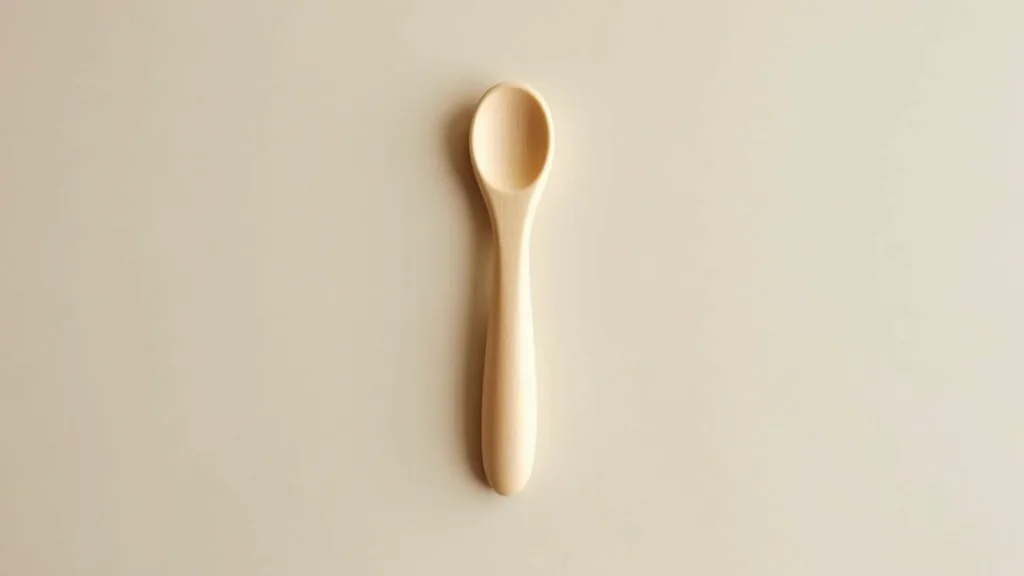
Picture this: It’s mealtime, and your little one is happily babbling away, ready for their first taste of solid food. You reach for a baby feeding spoon, eager to introduce them to new flavors and textures. But wait! Which spoon is the best? Are there important features to consider? This guide is designed to help you with these essential questions, providing the information you need to make an informed decision. You will gain a thorough knowledge of baby feeding spoon types, materials, and safety considerations. This will help you choose the best feeding spoon for your child, improving your baby’s comfort and confidence while eating. It helps you save money and time.
Key Takeaways
- Learn the different types of baby feeding spoons available.
- Discover the best materials for safety and ease of use.
- Understand the importance of spoon shape and size.
- Get tips on how to properly clean and care for your baby feeding spoon.
- Find out how to choose a spoon that supports your baby’s development.
- Explore features like temperature sensors and travel cases.
Types of Baby Feeding Spoons
The marketplace offers a range of baby feeding spoons, each with its own advantages. Different designs are intended to cater to different stages of development and parental preferences. Exploring these options can assist you in finding the best fit for your baby’s needs and your comfort. Whether it’s the flexibility for a newborn, the ease of use for a toddler, or features like temperature sensors, the right spoon can make mealtimes less stressful and more enjoyable.
Soft-Tip Spoons
Soft-tip spoons are designed with gentle, flexible materials like silicone or rubber. These are perfect for infants just beginning solids. The soft tips are easy on the gums and reduce the risk of injury. These spoons often have shallow bowls to control portion sizes and make it easier for babies to learn how to eat. They provide a smooth transition from bottle-feeding or breastfeeding to solid foods. The flexibility helps prevent discomfort and promotes a positive feeding experience. These are also easy to clean and can withstand high temperatures for sterilization.
- Material Composition: Soft-tip spoons typically consist of food-grade silicone or rubber, which are free from harmful chemicals. These materials are chosen for their safety and non-toxic properties. This is a primary factor in promoting the health and well-being of the infant.
- Shape and Design: They are usually designed with rounded, shallow bowls to hold a small amount of food. This is ideal for initial feedings and also supports the baby’s developing eating abilities. The design prioritizes comfort and facilitates easy feeding.
- Benefits for Babies: The soft and flexible nature of the spoon helps babies with sensitive gums. It reduces the likelihood of discomfort and makes the introduction of solids a less overwhelming experience. This encourages acceptance of new tastes and textures.
Choosing a soft-tip spoon can provide a sense of comfort for parents. It helps the transition to solid foods go smoothly. Parents can reduce anxiety related to their child’s eating. The ease of cleaning and durability of these spoons adds to their appeal. They make them a practical choice for everyday use.
Hard-Tip Spoons
Hard-tip spoons are made from durable materials like plastic or metal. These are suitable for babies who are more experienced with solid foods. They typically feature a firmer structure that can handle thicker purees and small solid pieces. They are often more resistant to wear and tear. This makes them a long-lasting option. The firmer tips can also help with scooping food. This encourages children to self-feed as they grow. They are generally dishwasher-safe, which provides cleaning convenience.
- Material Strength: They usually come in durable, rigid materials like BPA-free plastic or stainless steel. These options offer increased durability. They are appropriate for older babies who have developed a stronger bite and more advanced motor skills.
- Bowl Features: Hard-tip spoons generally have deeper bowls. They can hold more food. This design is useful for scooping up thicker consistencies and also aids in portion control.
- Suitability for Growing Appetites: They are better for handling larger portions. They are a suitable choice as babies grow. They start consuming more substantial amounts of food. This also offers an easy transition as they develop new tastes.
While hard-tip spoons are sturdy, it is important to choose ones that are still gentle on the gums. Consider options with smooth edges. This reduces the risk of injury. These spoons are a practical choice for parents wanting a durable, long-lasting feeding solution. They can accommodate the changing dietary needs of a developing baby.
Ergonomic Spoons
Ergonomic spoons are created to fit comfortably in both the parent’s and the baby’s hands. They frequently have handles shaped for a secure grip. They can help promote self-feeding as the child gets older. These spoons often have angled designs. This makes scooping food easier, which improves the feeding experience for both. Ergonomic designs minimize spills and reduce strain. This is particularly useful for parents when feeding an active or uncooperative child.
- Handle Designs: Handles are usually contoured to offer a secure grip. These often include non-slip materials. This reduces the risk of dropping and ensures comfortable use for the feeder.
- Shape and Functionality: Some are designed with angled or curved heads. This enables the baby to get food to the mouth more easily. This reduces mess and promotes independence as the child develops the skills for self-feeding.
- Ease of Use: They can offer increased control and precision. This helps make mealtimes less stressful. They encourage independence as a child learns to feed themselves.
Ergonomic spoons are an excellent option for promoting self-feeding skills. They increase comfort and reduce mess, which is a common problem with babies. They can also support the development of fine motor skills. This encourages your child to eat independently.
Choosing the Right Materials for Your Baby Feeding Spoon
The materials used in a baby feeding spoon are critical for safety, durability, and practicality. Parents must pick materials that are food-safe. They must also consider ease of cleaning and the overall longevity of the spoon. The best options often balance safety with ease of use. They are designed to withstand frequent use and cleaning.
Silicone
Silicone is a popular choice for baby feeding products. It is made from a synthetic polymer derived from silicon. This material is renowned for its flexibility, durability, and resistance to high temperatures. It is free from BPA, phthalates, and other harmful chemicals. It is considered a safe option for baby products. It is soft and gentle on the gums, making it suitable for newborns. It is also easy to clean and can be sterilized repeatedly.
- Flexibility and Softness: Silicone’s soft texture is friendly to a baby’s gums and is gentle on the teeth. This is especially good for babies starting solid foods. It provides comfort and also reduces the risk of injury.
- Heat Resistance: Silicone can withstand high temperatures. This means it is safe for sterilization. It can be easily washed in the dishwasher and sterilized in boiling water or a sterilizer. This ensures proper hygiene.
- Safety and Compliance: Silicone is a non-toxic material. It is free from BPA, phthalates, and other harmful chemicals. It meets the requirements of food-grade regulations. This makes it a secure choice for baby utensils.
Silicone is a great choice because of its flexibility, safety, and ease of cleaning. This makes it ideal for parents looking for a safe and easy-to-use feeding spoon. The flexibility helps prevent discomfort and promotes a positive feeding experience.
Plastic
Plastic spoons are also a common option. However, it is essential to look for BPA-free, food-grade plastics. These materials offer durability and are often more cost-effective. BPA-free plastics are designed to reduce the risk of chemical leaching into food. They are generally lightweight and easy to handle. They can be found in various designs and colors. This makes them appealing to children. The spoons are dishwasher-safe. They are convenient for busy parents.
- Durability and Cost: Plastic spoons are usually durable and cost-effective. They are able to withstand regular use and cleaning. This provides value and long-term utility for parents.
- Safety Standards: It is vital to select plastic spoons that are BPA-free. This assures that the product is made without harmful chemicals. This is a very important safety consideration.
- Ease of Cleaning: Most plastic spoons are dishwasher-safe, providing parents convenience. This helps keep the spoons hygienic and in good condition.
When selecting plastic spoons, always prioritize BPA-free options. This ensures that safety standards are met. This also makes them a practical choice for parents looking for affordable, durable feeding tools.
Stainless Steel
Stainless steel spoons are durable and offer a long-lasting solution. They are also known for their resistance to staining and odors. They are generally rust-resistant. They are also easy to clean and sterilize. They are safe for food contact. They are non-reactive. They do not leach chemicals into the food. Stainless steel spoons often have a sleek design. They are also a hygienic option. They offer a more premium feel.
- Durability and Hygiene: Stainless steel is extremely durable. It can withstand frequent use and cleaning. It is non-porous. This resists the buildup of bacteria and ensures a higher level of hygiene.
- Corrosion Resistance: They do not rust or corrode. They are also easy to clean and disinfect. This can make them an easy choice for busy parents.
- Longevity: Stainless steel spoons can last for a long time. This makes them a cost-effective option. They are also resistant to wear and tear. They are suitable for use across different stages of a child’s development.
Stainless steel spoons provide a combination of durability, hygiene, and aesthetic appeal. They are a good choice for parents who are looking for a long-lasting and safe option. They are a classic choice for feeding utensils.
Shape, Size, and Design Considerations
The shape, size, and overall design of a baby feeding spoon are important. They have a direct impact on the ease of feeding and the development of the child. Consider the baby’s age and developmental stage when making a decision. The spoon’s size should be appropriate for the baby’s mouth. The design should encourage a smooth and safe transition to solid foods.
Spoon Bowl Shape and Depth
The shape and depth of the spoon bowl are significant factors. They affect the amount of food that can be held and the ease with which the baby can eat. Shallow bowls are perfect for infants. They reduce the risk of overfeeding. They also make it easier for the baby to remove the food. Deeper bowls are better for older babies who have developed a greater degree of control.
- Shallow Bowls: Ideal for beginners. They hold a small amount of food and aid in portion control. They also encourage the baby to open their mouth wider and to eat.
- Deeper Bowls: Designed for older babies who can handle larger amounts of food. They can scoop thicker purees and small solid pieces.
- Rounded vs. Angled: Round bowls are ideal for babies. They are simple to use. Angled bowls are designed to make it easier to get food to the mouth.
Think about the baby’s stage of development. Make sure the spoon bowl is a suitable shape. This makes mealtimes easier and more enjoyable for the baby. This also contributes to positive eating habits.
Handle Design
The handle’s design is critical for both the parent’s and the baby’s comfort. Ergonomic handles are designed to be easy to hold. They provide a secure grip. This reduces the risk of spills. Handles that are short and easy to hold are often better for beginners. As the baby develops, longer handles can help with self-feeding.
- Ergonomic Design: Designed to fit comfortably in the hand. They help ensure a secure grip, and often have textured surfaces to improve control.
- Handle Length: Short handles are great for feeding. Longer handles are better for babies who are learning to feed themselves.
- Material and Grip: Handles made of non-slip materials can help. They help with control and can prevent accidents.
A properly designed handle can significantly improve the feeding experience. It can improve comfort, control, and also promote independence as the child grows.
Spoon Size
The size of the spoon is also important. The spoon should fit comfortably in the baby’s mouth without being too large. Too large of a spoon can overwhelm the baby and increase the risk of choking. Smaller spoons are suitable for the early stages of solids. As the baby grows, you can gradually transition to spoons that are slightly larger.
- Mouth Fit: The spoon’s size should correspond to the size of the baby’s mouth. This helps in comfort and safety.
- Portion Control: Small spoons can help with portion control. They prevent overfeeding, particularly for infants.
- Developmental Stages: As the baby grows and develops, the size of the spoon should adjust. This will help them to improve self-feeding skills.
Make sure the spoon size is appropriate for the baby’s age and also their development. This will help make mealtimes safer and also more enjoyable.
Maintaining and Cleaning Your Baby Feeding Spoon
Proper cleaning and maintenance are critical. It ensures the safety and hygiene of the baby feeding spoon. Regular cleaning removes food residue. It prevents bacteria buildup and maintains the spoon’s functionality. This makes sure that the spoon is safe to use. It also helps to prolong the life of the product.
Cleaning Procedures
How to properly clean your baby’s spoon depends on the material. Silicone and plastic spoons can be cleaned easily in a dishwasher or by hand with hot, soapy water. Stainless steel spoons can be washed in the same way. It is important to rinse the spoon immediately after each use to stop food from drying and sticking. Inspect the spoon for damage or wear. Replace the spoon when needed.
- Washing Instructions: Always clean the spoon after each use to prevent bacteria growth. Use warm water and mild soap to wash the spoon. Make sure you rinse off all soap residues.
- Dishwasher Safety: Many baby spoons are dishwasher-safe. To make sure, check the manufacturer’s instructions. When washing in the dishwasher, place the spoon in the upper rack.
- Hand Washing: If hand washing, be sure to use a sponge or soft brush to remove food. This will prevent scratches. Thoroughly rinse and air dry the spoon before storing.
Routine and thorough cleaning is important to ensure the safety and hygiene of the spoon. This helps prevent the spread of germs.
Sterilization Techniques
Sterilization is especially important during the baby’s first year. It helps prevent illness. You can sterilize your baby’s spoon using several methods. Boiling is a common method. Place the spoon in boiling water for five minutes. Steam sterilizers also work. They provide a quick, efficient way to sterilize the spoon. Follow the manufacturer’s instructions when using sterilizers.
- Boiling: Boiling is a straightforward method. Place the spoon in boiling water for five minutes. Make sure the spoon is submerged.
- Steam Sterilization: Steam sterilizers are convenient. They can sterilize spoons and other feeding products quickly.
- Sterilizing Solutions: Some parents use sterilizing solutions. Always follow the manufacturer’s instructions. This will ensure effective sterilization.
Sterilization helps prevent the spread of germs. It also protects your baby from potential health concerns.
Storage and Inspection
Always dry the spoon thoroughly before storage. Store the spoons in a clean, dry place to prevent the growth of bacteria. Frequently inspect the spoon for wear and tear. Check for cracks, chips, or other damage. Replace the spoon if any damage is found. This helps maintain safety and hygiene.
- Drying Methods: Air drying is recommended. This helps to prevent any mold or bacterial growth.
- Safe Storage Practices: Store spoons in a clean, closed container. This is away from possible contamination.
- Regular Inspection: Inspect the spoon frequently. Always check for damage. This will help maintain hygiene and safety.
Proper storage and frequent inspections are important to keep the baby feeding spoon safe. This will keep it in good condition.
Innovative Features and Accessories
Modern baby feeding spoons are often designed with extra features. These can improve the feeding experience. Temperature-sensing spoons change color when the food is too hot. Travel cases offer a convenient way to bring spoons when you go out. These features can provide additional safety and convenience. They help make mealtimes less stressful for parents and more comfortable for babies.
Temperature Sensing Spoons
Temperature-sensing spoons change color if the food is too hot. This is a very useful feature. This eliminates the need to test the food yourself. This also decreases the chance of burning the baby’s mouth. These spoons typically have a heat-sensitive tip that changes color if the food is too hot. This feature gives parents an additional level of safety.
- Color-Changing Technology: The spoon’s tip changes color when the food exceeds a safe temperature. This gives a clear visual indicator.
- Temperature Range: The spoons are created to show temperature readings. They are useful for food temperatures that are ideal for the baby.
- Benefits and Use: These spoons can help. They help prevent burns and promote safety. They are especially helpful for new parents.
Temperature-sensing spoons are an easy way to ensure that the food is at the right temperature. This will help make mealtimes safe and stress-free.
Travel Cases and Accessories
Travel cases and other accessories are useful for on-the-go feeding. Travel cases keep the spoon clean and protected. They are ideal for trips. They stop contamination. Some spoons have integrated food storage containers. This is another convenient option for parents. These accessories add to the convenience and portability of feeding.
- Portability: Travel cases and storage containers. These are created to keep the spoons clean and ready to use. This makes it easier to travel.
- Storage: Some spoons are sold with storage containers. This is helpful for pre-portioning food. It simplifies packing for outings.
- Usefulness for Parents: These accessories are especially helpful for parents. They streamline feeding. They provide cleanliness.
Travel cases and accessories are great for parents who are always on the move. They make feeding on the go easy and also hygienic.
Common Myths Debunked
Myth 1: All Spoons Are Created Equal
Many parents believe that all baby spoons are the same. In reality, the materials, shape, size, and design can vary greatly. Soft-tip spoons are safer for beginners. Hard-tip spoons are more durable and also better suited for more experienced eaters. Ergonomic designs offer better comfort. Different features and also materials can affect the function and safety of the spoons.
Myth 2: Metal Spoons Are Dangerous for Babies
Many parents are concerned about the safety of metal spoons. While it is true that metal spoons can be a problem, stainless steel spoons are a safe choice. Stainless steel is resistant to rust and also bacteria. Stainless steel does not react with food. This makes it safe for babies. Parents should always select spoons that are made from high-quality, food-grade stainless steel. This ensures safety.
Myth 3: Expensive Spoons Are Always Better
The price of a spoon is not always the best predictor of its quality. While expensive spoons may have some additional features, this does not mean that they are better. It is important to consider the materials, the design, and also the needs of the child. Some cost-effective spoons can also provide the same level of safety and functionality. The best option is the one that best suits the needs of the baby.
Myth 4: Sterilizing Spoons Is Not Always Necessary
Many parents may think that sterilizing spoons is not necessary, but this is a false idea. For babies under six months, sterilization is critical. It helps prevent bacterial infections. Sterilization removes all germs. It is important to sterilize utensils regularly. Always follow the manufacturer’s directions when doing so. This is important for the baby’s health.
Myth 5: All Silicone Spoons Are the Same Quality
Not all silicone spoons are made to the same standards. Some silicone spoons have cheaper quality. They are more likely to leach chemicals. Always select spoons made from 100% food-grade silicone. This should be BPA-free, and also phthalate-free. This guarantees that the spoon is safe for use.
Frequently Asked Questions
Question: When should I introduce a spoon to my baby?
Answer: You can introduce a spoon when your baby is ready to start solid foods, usually around six months of age. Watch for signs like good head control and the ability to sit up with support.
Question: Are silicone spoons better than plastic spoons?
Answer: Silicone spoons are often preferred because they are soft and also gentle on the gums. However, BPA-free plastic spoons are also safe. Choose based on your preference and your baby’s needs.
Question: How often should I replace my baby’s spoons?
Answer: Replace spoons if they show any signs of damage. This includes cracks, chips, or wear and tear. This is important for both hygiene and safety.
Question: Can I use regular spoons for my baby?
Answer: While you can, it’s better to use baby-specific spoons. They are usually designed with smaller sizes and also soft, gentle materials that are more appropriate for babies.
Question: How do I clean and sterilize the baby spoons?
Answer: Wash the spoons in warm water with mild soap. Sterilize them by boiling, steaming, or using a sterilizing solution. Ensure you follow the directions.
Final Thoughts
Picking the best baby feeding spoon is more than just buying a product. It’s about helping your baby build good eating habits. Consider factors like material, design, and also any special features. Silicone and soft-tip spoons are ideal for beginners. They help make sure the baby is safe. Hard-tip and ergonomic spoons provide durability and help babies who are learning to self-feed. Temperature-sensing spoons and travel cases add to the convenience. Selecting the right spoon that fits your baby’s needs and also your daily life will also make mealtimes easier. Look for quality, convenience, and safety to make every meal a positive experience.