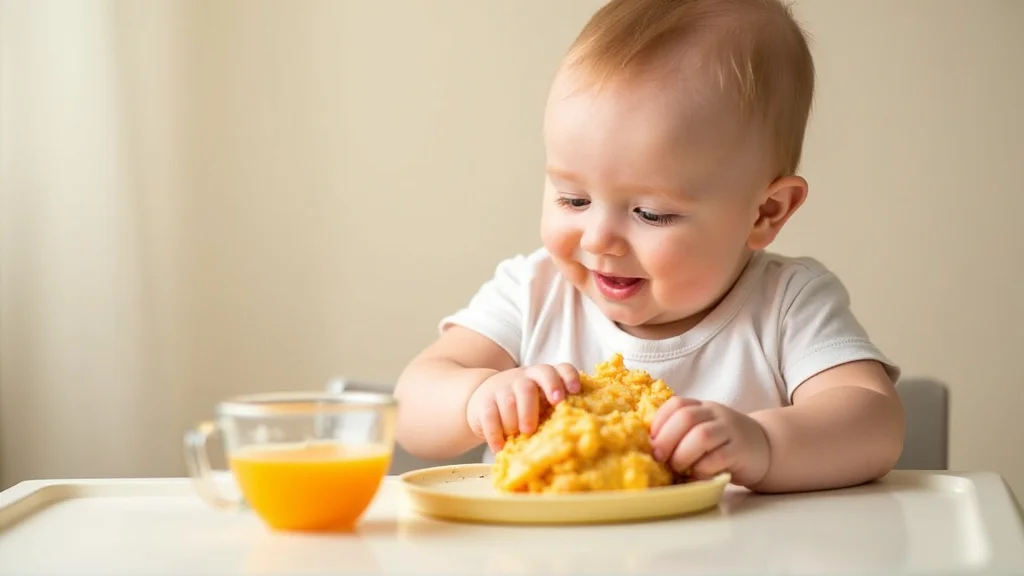
The first time you see that tiny, toothless grin reaching for a spoonful, it’s a moment you won’t forget. Suddenly, you’re faced with a big question: what to start feeding baby at 4 months? Maybe you’re a new parent, feeling a mix of excitement and maybe a little worry. This guide is here to walk you through those initial steps. We’ll explore the best first foods, how to introduce them safely, and what to expect as your little one begins their exciting food adventure. You’ll gain the confidence to offer your baby healthy and enjoyable meals. We’ll simplify the process, helping you create positive eating experiences for both you and your child.
Key Takeaways
- Learn about the ideal foods to begin introducing to your baby at four months old.
- Understand the essential safety precautions when starting solids, like allergy awareness.
- Discover the best methods for preparing and offering first foods to your baby.
- Find out what signs indicate your baby is ready to eat and how to recognize them.
- Gain a sense of how much food to give your baby and the schedule to follow.
- Understand how to manage potential challenges such as food refusal or allergic reactions.
Introducing Solids: When to Begin and Why
The decision of what to start feeding baby at 4 months is a significant one. The American Academy of Pediatrics (AAP) and other health organizations provide recommendations for the best time to start feeding your baby solid foods. Around four to six months, babies often show signs of readiness. They can hold their heads up steadily, sit with support, and demonstrate interest in food. It’s important to wait until your baby is ready. Starting too early can increase the risk of allergies or digestive issues. Starting too late may delay their ability to develop the skills needed for eating solid foods, such as oral motor skills.
Signs of Readiness
-
Head Control: Your baby should be able to hold their head up steadily. This is vital for safe swallowing. A baby who can’t control their head may choke easily.
This allows them to manage food in their mouths and swallow safely. If they have poor head control, they might have trouble coordinating these actions, making feeding unsafe.
-
Sitting with Support: Babies should be able to sit with support. This offers a stable base for them to eat. It is easier to focus on eating, rather than on staying upright.
Good posture enables them to swallow appropriately and not be distracted, preventing choking hazards. Without this ability, eating can become very challenging.
-
Interest in Food: Your baby shows genuine interest in what you’re eating. They might watch your meals, open their mouth, or reach for food.
This curiosity demonstrates their desire to join in. It’s a good indication they are ready to try new foods and start the eating experience. This interest makes mealtime more enjoyable.
-
Loss of Tongue-Thrust Reflex: This is when a baby pushes food out of their mouth with their tongue. As babies mature, this reflex diminishes, allowing them to swallow.
This reflex disappears as the baby develops and becomes ready to swallow. Without this reflex, they can successfully manage food. This is an important step in readiness.
Why Start Solids?
Introducing solid foods at the right time provides several benefits. It helps your baby gain vital nutrients that breast milk or formula alone can’t supply enough of, like iron and zinc. Solids also help develop their oral motor skills, like chewing and swallowing. They’ll also begin to explore different tastes and textures, setting the stage for a wide array of foods later on. The introduction of solids is a big step in your baby’s development. It provides them with the nutrition and skills they’ll need.
Best First Foods for Your Baby
When you’re deciding what to start feeding baby at 4 months, focus on single-ingredient foods that are easy to digest and have a low risk of causing allergic reactions. Start with foods that are smooth in texture. You will want to wait three to five days before introducing a new food. This allows you to watch for potential allergic reactions. Always consult with your pediatrician before starting solids. They can offer guidance based on your baby’s specific needs.
Iron-Rich Foods
-
Iron-Fortified Infant Cereal: Rice cereal, oatmeal, or barley cereal are common first choices. They’re often enriched with iron, vital for healthy brain development. They have a mild taste and smooth texture.
Iron-fortified cereals are a great first choice. They’re usually easy for babies to digest. The iron added to these cereals helps prevent iron deficiency, a common issue in infants.
-
Pureed Meats: Chicken, turkey, or beef purees are great sources of iron and protein. They help in your baby’s development. Meats may take a little longer for some babies to accept.
Meat purees are packed with nutrients. They are crucial for your baby’s growth. If you don’t eat meat, be sure to find non-meat sources of iron.
-
Pureed Lentils or Beans: Beans and lentils are also rich in iron. Make sure they are pureed to a smooth consistency. They also give your baby fiber, aiding in digestion.
Lentils and beans offer an excellent source of iron. Ensure they are thoroughly cooked and pureed to prevent any choking hazard.
Other Suitable First Foods
-
Pureed Fruits: Fruits like avocado, banana, and cooked applesauce are great choices. They’re packed with vitamins and natural sugars. They need to be pureed until smooth.
Soft fruits give babies essential vitamins. When introducing fruit, make sure to peel and cook as needed. Avoid giving citrus fruits until the baby is older.
-
Pureed Vegetables: Sweet potatoes, carrots, and peas are excellent choices. They provide vitamins and fiber, and they have a natural sweetness that babies often like.
Pureed vegetables introduce various nutrients and tastes. Always cook vegetables until soft. Check the texture to make sure they are suitable for your baby.
-
Pureed Dairy: Yogurt is suitable for babies who are at least six months old and do not have an allergy to dairy. Introduce plain, whole-milk yogurt, as it offers probiotics and is gentle on their stomachs.
Plain yogurt can support healthy gut bacteria. If you choose yogurt, opt for varieties with minimal added sugar. Always check the ingredients and nutritional content.
Preparing and Serving First Foods
Preparing and serving first foods involves some simple steps. They are essential to ensure your baby is safe and has a positive mealtime experience. From selecting the right equipment to understanding how much food to offer, each element contributes to a successful start with solids. Using the right techniques when feeding your baby helps set the stage for healthy eating habits. The goal is to make mealtimes a positive time for you and your little one.
Equipment You’ll Need
-
Baby Spoons: Opt for soft-tipped spoons designed for babies. These are gentle on their gums. They make feeding safer and more comfortable.
Soft-tipped spoons help protect your baby’s gums. Choose spoons of appropriate size. The size can help your baby feel secure and make eating easier.
-
Bowls: Use small bowls. These are easier to handle and can help you portion food appropriately. The size is ideal for small portions.
Small bowls are perfect for baby-sized portions. Select bowls that are stable and won’t tip over. This reduces messes and promotes a better feeding experience.
-
High Chair: A high chair is crucial for safe and comfortable feeding. Ensure it is stable and provides adequate support. It gives your baby a secure eating space.
Make sure the high chair is safe and clean. Look for features like a safety harness and adjustable tray. It’s a key part of the feeding experience.
Food Preparation
-
Cooking and Pureeing: Cook vegetables and fruits until they are soft. Blend them until smooth, making sure there are no lumps. It is important for easy digestion.
Soft foods are easier for babies to digest and swallow. Use a blender or food processor. They can create a consistent texture, perfect for starting solids.
-
Portion Sizes: Start with very small portions. Begin with one to two teaspoons of food at each feeding. Observe your baby’s cues for fullness.
Small portions can help prevent overfeeding. Increase the amount as your baby gets accustomed to eating solids. This allows them to adjust to new foods.
-
Texture Progression: Begin with smooth purees. Gradually move to slightly thicker textures. This aids the development of the swallowing process.
This step-by-step approach aids your baby’s mouth development. As your child’s skills improve, they can better manage the texture and taste of food.
Introducing New Foods: Safety and Timing
When considering what to start feeding baby at 4 months, introduce one new food at a time. This helps you identify any allergic reactions or sensitivities. This strategy is also known as the “four-day wait rule.” It allows you to monitor your baby’s response. Always check with your pediatrician before introducing any new foods. They can offer guidance based on your baby’s specific needs and any known allergies or sensitivities.
Preventing Allergic Reactions
-
Introduce One Food at a Time: Wait three to five days before introducing a new food. This helps you determine if your baby is allergic. Observe any signs of reactions, such as hives or swelling.
Monitor your baby carefully for allergic reactions. Keep a record of the foods introduced and any reactions. This is crucial if you suspect a food allergy.
-
Common Allergens: Be aware of common allergens, such as peanuts, eggs, and dairy. Introduce these foods with care and caution. Know the symptoms of allergic reactions.
Knowing common allergens helps parents. Introduce these foods under your pediatrician’s advice. Know the symptoms of an allergic reaction.
-
Signs of Allergic Reaction: Be familiar with the signs of an allergic reaction. These can include skin rashes, hives, swelling, or difficulty breathing. Seek medical help.
Early intervention can be life-saving. If your baby shows signs of a severe reaction, seek medical assistance. Be aware of the signs.
Developing a Feeding Schedule
-
Meal Timing: Begin feeding solids once or twice a day. Offer it at a time when your baby is most alert and happy. Consistency is important for establishing routines.
A consistent schedule helps your baby to develop eating habits. Start during a time when they aren’t overly tired or hungry. This improves their experience.
-
Breast Milk or Formula First: Offer breast milk or formula before solids. This ensures your baby gets the nutrition they need, especially in the beginning. Focus on the baby’s needs.
Making breast milk or formula the priority is essential. Ensure your baby receives necessary nutrients. This balances solid food introduction.
-
Listen to Baby’s Cues: Pay attention to your baby’s hunger and fullness cues. Some babies eat more or less on different days. This approach promotes positive eating.
Observe your baby’s behavior. They might show interest in food. It’s just as important to recognize when they’re full. This contributes to better feeding habits.
Addressing Challenges: Food Refusal and Picky Eating
Starting solids can have its challenges, such as food refusal or picky eating. These are common issues. They require patience and a flexible approach. Try to remain calm and positive when dealing with these situations. Never force your baby to eat. If your baby is refusing to eat, respect their cues. Offer new foods multiple times. It can take several attempts for a baby to accept a new flavor or texture. Consult with your pediatrician. They can offer insights or address concerns.
Strategies for Food Refusal
-
Offer Variety: Introduce a range of flavors and textures. This helps encourage your baby’s interest. It can also encourage the development of their tastes.
Offering a variety can keep mealtimes enjoyable. Expose your baby to different tastes. This may encourage them to try more foods.
-
Don’t Force Feed: Never force your baby to eat. Pressuring a baby can lead to a negative association with food. Respect your baby’s fullness cues.
Respect your baby’s fullness cues. This helps foster a positive relationship with food. It ensures they eat when hungry and stops when full.
-
Positive Environment: Create a positive mealtime experience. Keep the environment calm and free from distractions. A good experience helps with food acceptance.
A calm environment encourages better eating. Mealtimes can be enjoyable experiences. This can help improve your child’s appetite.
Managing Picky Eating
-
Persistence: Offer new foods multiple times. It may take several tries before a baby accepts a new food. Keep offering the food in different ways.
Persistence is important. It can take numerous attempts. Be patient and persistent. Eventually, your baby will likely accept the new food.
-
Involve Your Baby: Let your baby explore foods. Allow them to touch, play with, and taste the food. This makes mealtimes fun.
Involving your baby can increase interest in food. This can happen through touch, play, and tasting. It encourages interest in eating.
-
Lead by Example: Eat meals with your baby. Show them that you enjoy a variety of foods. This can help encourage them to try new foods.
Eating together can set a positive example. Your baby will learn from you. This will encourage them to eat a balanced diet.
Common Myths Debunked
Myth 1: Babies don’t need solid food until they are 6 months old.
The reality is that while exclusive breastfeeding or formula feeding is typically recommended for the first six months, the introduction of solid foods can begin around four months. Babies may show signs of readiness. This can provide them with essential nutrients that breast milk or formula might not fully provide. It is important to look for signs of readiness. Consult your pediatrician to find the right time.
Myth 2: You should only feed bland foods to start.
Some parents think starting with bland foods is the best. It’s fine to start with mild flavors. However, introducing a variety of tastes early on can help your baby develop a more diverse palate. Offering different flavors and textures, with guidance from your pediatrician, promotes a more adventurous approach to eating. This includes slightly spiced foods. It is important to know that many babies are ready for a larger taste range.
Myth 3: Introducing allergens early will cause allergies.
Early introduction of potential allergens is a good way to reduce the risk of allergies. Major allergen introduction, such as peanuts, eggs, and dairy, should be part of the first foods. Introducing these allergens early can actually help prevent the development of allergies. Always consult with your pediatrician before introducing any new foods. They can offer recommendations.
Myth 4: Babies should always have food pureed smooth.
While purees are an excellent start, you can gradually introduce slightly thicker textures. Babies should gradually begin to experience a variety of textures. These textures may include mashed or finely chopped foods. This helps them develop essential oral motor skills. These skills are important for proper chewing and swallowing. Progressing through textures is important for development.
Myth 5: It’s okay to add salt and sugar to baby food.
It’s important to avoid adding salt and sugar to your baby’s food. Babies do not need these additions. These ingredients add unnecessary calories. They also can create a preference for overly sweet or salty tastes. Avoid them. Instead, focus on the natural flavors of the food. This will help your baby develop healthy eating habits. Babies can appreciate the natural flavor of the food.
Frequently Asked Questions
Question: When is my baby really ready to start solids?
Answer: Your baby is ready when they show signs of readiness. They should hold their head steady, sit with support, show interest in food, and have lost the tongue-thrust reflex.
Question: How much food should I give my baby at 4 months?
Answer: Start with small portions, about one to two teaspoons of a single food, once or twice a day. Gradually increase the amount as your baby gets used to eating solids.
Question: What if my baby refuses to eat the food I offer?
Answer: Don’t force your baby to eat. Try again later. Offer the same food in a different form. You can also offer new foods to encourage a positive experience.
Question: What do I do if my baby has an allergic reaction?
Answer: If you notice signs of an allergic reaction, such as a rash, hives, swelling, or difficulty breathing, stop feeding the food immediately. Contact your pediatrician or seek immediate medical attention.
Question: Should I make my own baby food or buy it?
Answer: You can choose to make your own baby food or buy it from the store. Homemade food lets you control the ingredients. Pre-made baby food is convenient. Choose what works best for your family.
Final Thoughts
Navigating the journey of what to start feeding baby at 4 months is an exciting time, marking a significant transition in your baby’s development. By focusing on iron-rich foods and simple preparations, you’re setting a strong foundation for your baby’s growth. Introducing new foods gradually, with an emphasis on safety and patience, will help you establish positive eating habits. Remember to trust your instincts and respond to your baby’s cues. Celebrate the small victories, embrace the mess, and cherish each spoonful. You are doing a wonderful job. Enjoy this special time as your baby explores the world of food. Remember to consult your pediatrician for personalized advice.